

Saudi Arabia has long relied on oil, but in recent years it has been trying to restructure its economy so that it does not depend solely on natural resources. One of the main tools of this restructuring is a massive sovereign wealth fund Public Investment Fund, or simply PIF.
It’s an organization with the financial resources of a small country. The fund buys stakes in game studios, invests in sports, builds esports arenas, invests in the entertainment industry, and generally tries to be everywhere where a young global audience is active and spending money.
On paper, it all looks like normal modern capitalism. But there is one aspect that makes PIF a source of heated controversy (and of interest to Doberman.media)—and this aspect directly concerns LGBT rights.
Why Are Saudi Arabia's Investments Causing Such a Stir?
Saudi Arabia’s laws regarding LGBT people remain among the strictest in the world. Same-sex relationships are considered a crime. Transgender identity is not recognized, gender expression is restricted, and there is almost no support available. In recent years, there have been several high-profile cases of detentions in the country, following which human rights activists have documented pressure, threats, and violence.
Because of this, every major investment by the PIF in international companies—and especially in gaming and sports—triggers the same reaction: human rights organizations say this is yet another attempt to “whitewash” the country’s reputation through popular forms of entertainment.
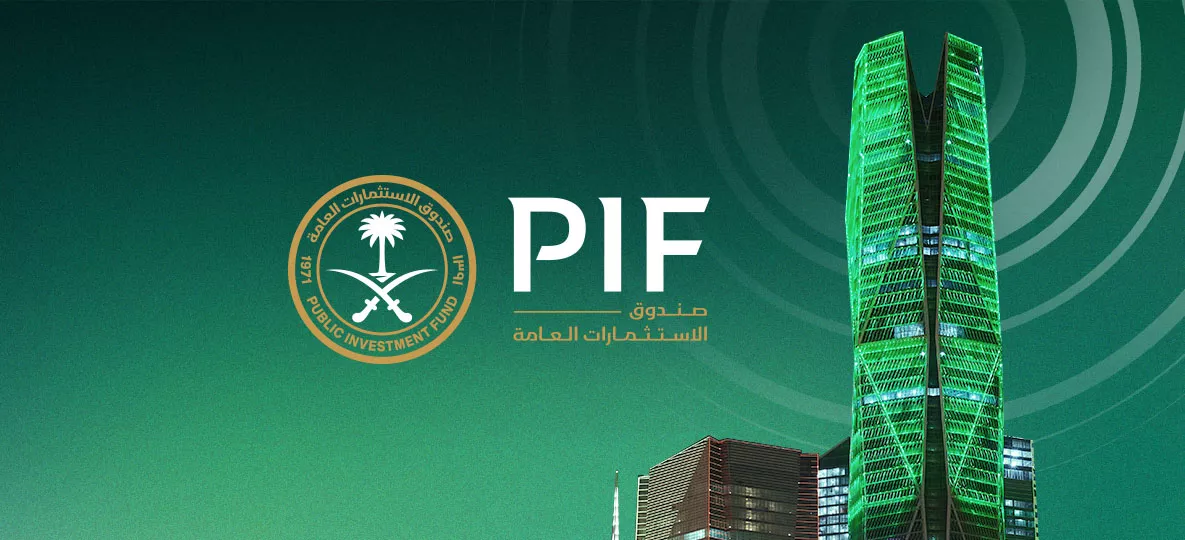
The term “sportswashing” has long been established in the world of sports. In the gaming community, its counterpart—known as “gameswashing”—is gradually gaining traction. The meaning is simple: When a country with a questionable human rights record invests in the entertainment industry, it creates the appearance of openness and progress, even though little actually changes behind the scenes.
Why This Matters to LGBT People, Especially Those in the Media and Gaming Industries
Games — one of the largest platforms for representation. This is where stories about queer characters appear, where identity is discussed, and where new norms are formed.
When a fund linked to a government that persecutes queer people becomes a key investor in this environment, a logical question arises: Could this influence affect content or lead to censorship?
So far, there have been no high-profile examples of PIF investments leading to outright bans or the removal of queer content. But there is concern. Especially among those who remember the incident involving Chinese investment funds and the subtle censorship that has gradually crept into the global film industry.
A similar line is drawn in the gaming industry. Control over companies may be passive, but there’s always a sense that the content must be “safe” for the investor. And if the investor is a government where public expressions of LGBT life are punishable by law, that feeling is amplified twofold.
What's Next?
PIF will continue to expand into the industry
The fund is investing billions, and it has no plans to stop. In Saudi Arabia, they’re building a massive gaming hub, attracting studios, launching competitions, and acquiring publishers. This is a long-term bet.
Pressure from human rights advocates will only continue to grow
Every new deal draws the attention of Human Rights Watch, Amnesty, and local LGBT organizations. The conflict between “entertainment and reality” will become even more apparent.
Gaming companies will find themselves caught between a rock and a hard place
On the one hand, there’s the money that makes it possible to create big games. On the other hand, there are reputational risks and open protest from part of the audience.
The impact on the domestic situation has been minimal so far
The most troubling thing is that these investments do not make life easier for LGBT people in Saudi Arabia. The reforms being implemented by the crown prince address the economy and entertainment, but do not address basic human rights protections. Queer people remain one of the most vulnerable groups.
Global media is becoming a platform not only for entertainment but also for political influence. Every major investor brings their own values to the industry. When money comes from a country where LGBT rights are not only unprotected but criminalized, it cannot be “purely business.”
Saudi Arabia is trying to become part of global culture, but it is doing so without changing the rules within the country. As a result, the world gets glossy presentations, big budgets, and high-profile announcements, while local LGBT people face silence, fear, and a bleak future.






0 comments
Enter your email and we will send you a one-time code. No passwords, no accounts.
Code sent to
If the email does not arrive in your inbox within a few minutes, check your Spam, Junk or Promotions folder — some mail services may wrongly place automated messages there.