
⚠️ The text contains a profanity
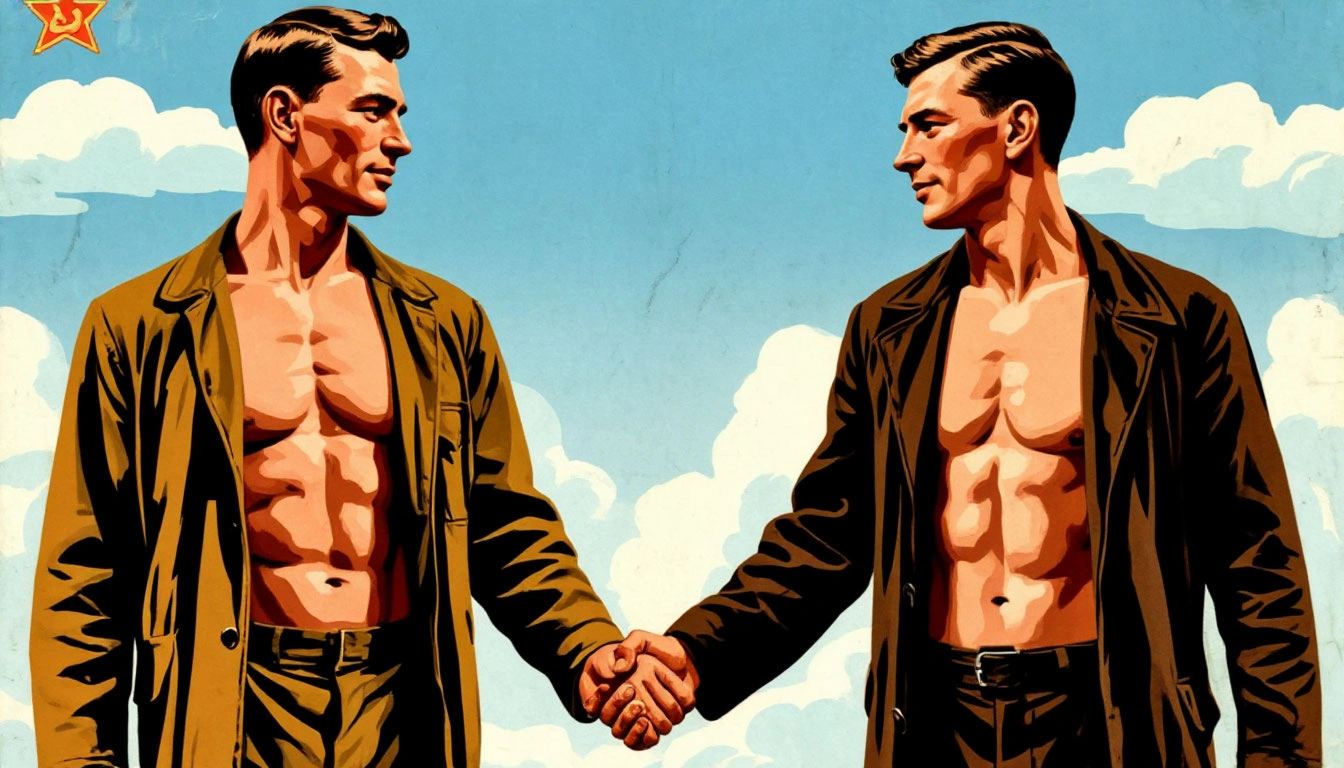
I'm reading a book by Rustam Alexander "Closed: The Lives of Homosexuals in the USSR" And I’m seriously blown away. He talks about people who, in essence, didn’t exist in that country. Ordinary workers, pop stars—everyone was forced to hide themselves, their desires, and their love. To live openly meant risking getting caught, being denounced, and ending up in prison.
Just imagine: there wasn’t a single decent word about gay people in the Soviet press. Just crime stories or medical diagnoses. The threat was everywhere, and any day could be your last if someone decided to “turn you in.”
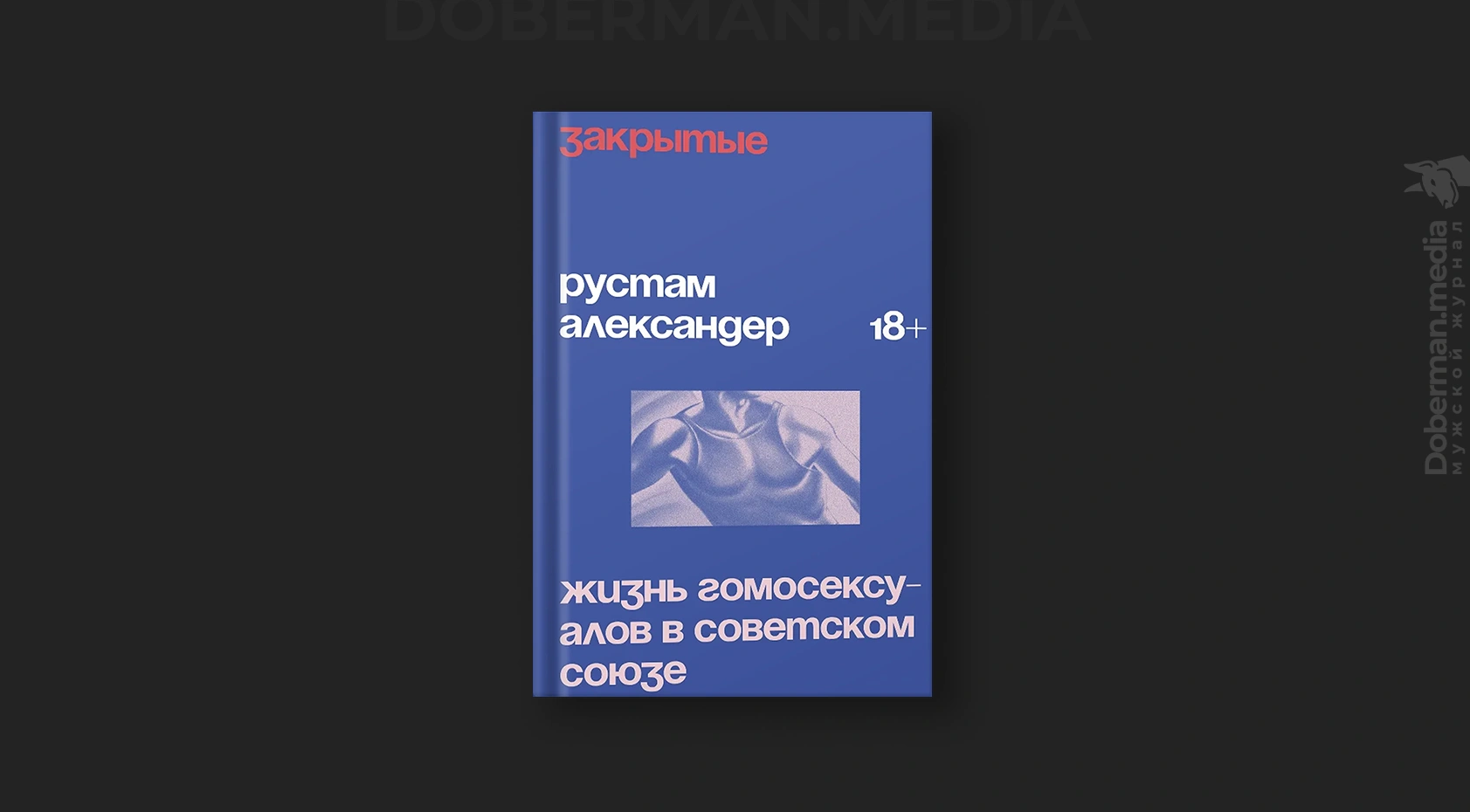
Criminal Code: Article 121
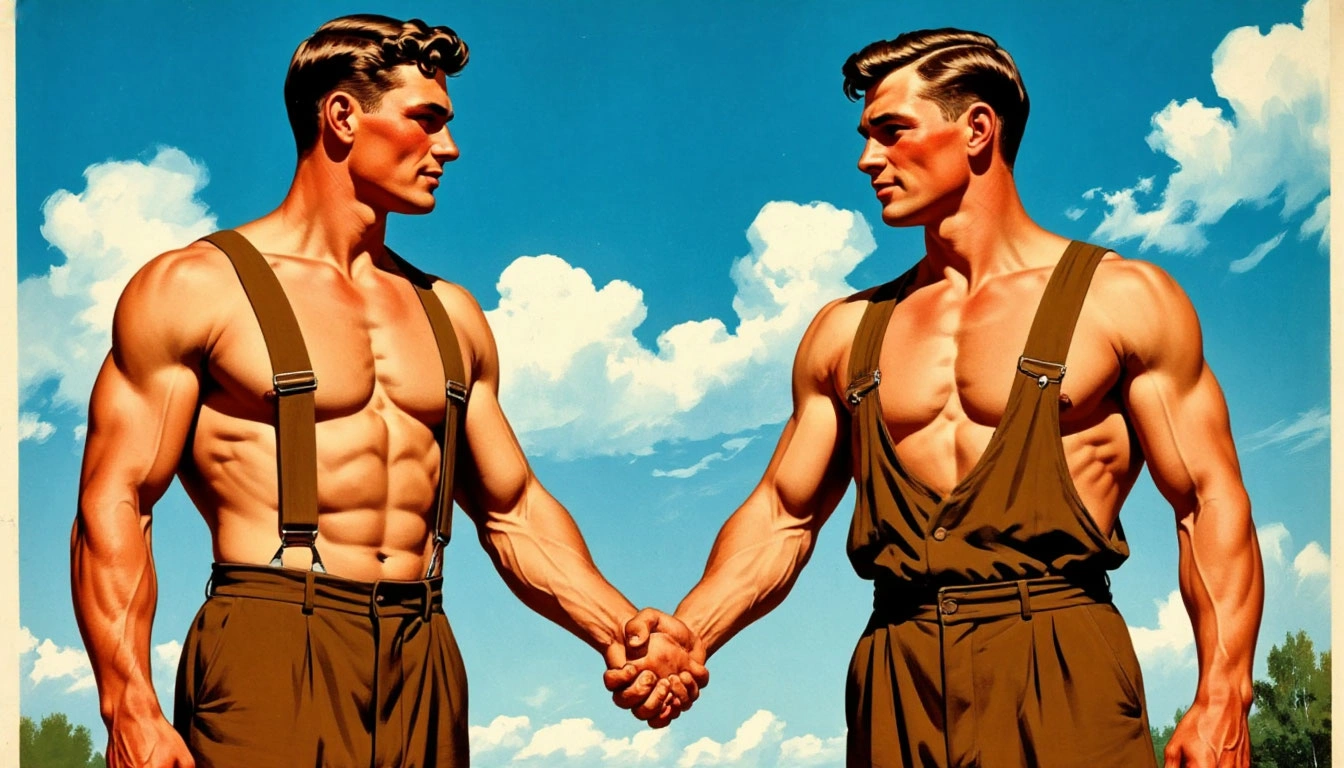
In the USSR, there was a law that could actually land you in jail just for loving men. That is Article 121 of the Criminal Code, introduced in 1934. But few people know that before that, the 1920s were almost like a time of freedom—sodomy had been decriminalized. And the reason for this wasn’t some special kind of love, but the repeal of tsarist laws. But everything changed, and now—up to five years in prison just for loving someone of the same sex. Incidentally, women were treated more leniently, just as they are today.
As always, the story is both funny and scary. Heinrich Yagoda, head of the OGPU, wrote a letter to Stalin claiming that there were spies in the country posing as gay men! And here’s your official excuse to punish all the “wrong” men. In fact, some believe that Stalin knew far more than is generally thought, since even back in the Tsarist era he was a frequent visitor to places of exile and detention centers where only men lived.
The result: gay men lived in constant fear. According to historian Dan Healy, approximately 25,000–26,000 people were convicted between 1934 and 1993. Even famous people suffered—singer Vadim Kozin, director Parajanov (“Shadows of Forgotten Ancestors,” 1964, which won an award at the International Film Festival). Can you imagine living knowing that one wrong move—and your life turns into a nightmare?

The Underground and the “Repairmen”
Life for the “underground” was like a minefield. Even if you went into hiding to escape the law, there was no guarantee you’d stay alive and unharmed.
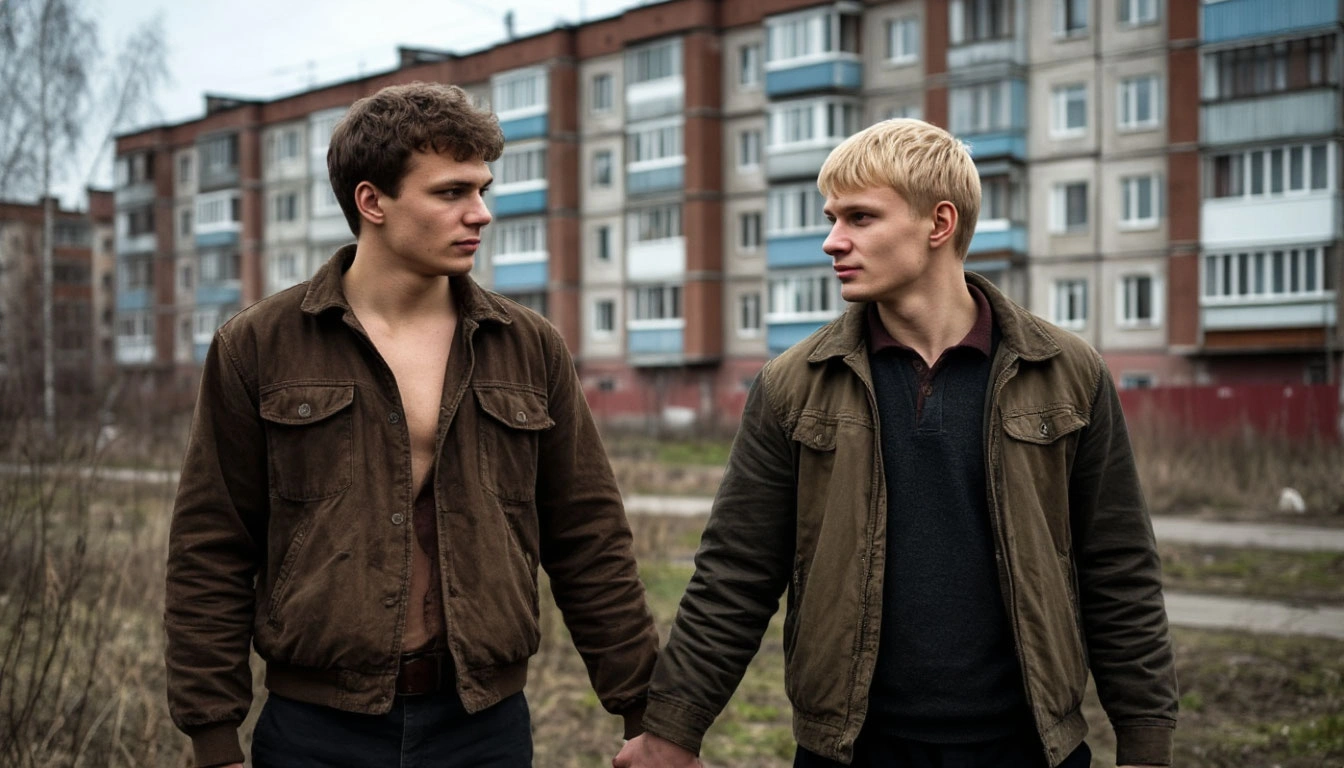
The only places where people could meet, even if only briefly, were the so-called “pleshki”: the fountain near the Bolshoi Theater, public restrooms… People knew: if you came here, you could end up behind bars for five years. The police regularly “cleaned out” these places and conducted raids. But that wasn’t all. There were the “repairmen”—a particular breed of homophobes. They pretended to be looking for love, but in reality they beat people up, blackmailed them, and sometimes drove them to the most dire consequences. Starting in the 1980s, such attacks were often carried out by teenagers—and this included beatings that led to murder. To simply have intimate relationships with men in the USSR, you had to be not only gay but also brave.

Violence in the Doctor's Office: “Treatment” the Soviet Way
After Stalin’s death, a new field of interest emerged for psychiatrists in the USSR: sexopathology. Doctors like Nikolai Ivanov from Gorky considered homosexuality a disease and tried to “treat” it, even though Ivanov himself understood that imprisoning gay people was completely absurd.
The methods were, to put it mildly, harsh. Patients were laid on a couch and told: “Your perverse desire will ruin your career, your family will despise you, and you could even face legal consequences.” As the “so-called doctors” themselves explained, the treatment methods developed by Ivanov and his protégé Jan Goland were based on the desire to achieve a “sexual-psychological vacuum.” To this end, they used hypnosis, autogenic training, and instruction in the “aesthetic perception of women,” including the display of portraits and even erotic photographs secretly smuggled in from the West.
Fearing they might disappoint their doctors, patients often began to convince both themselves and their doctors that they were “cured.” But there was no magic involved—it was psychological pressure, not miracle therapy.
The Tombstone: A Fear That Pierces the Soul
This constant fear was literally the lifeblood of those “behind closed doors.” In his project “Moscow,” artist Evgeny Fiks depicts secret meeting places, but leaves them empty. Complete desolation. According to him, this is precisely how the sense of concealment and sorrowful absence is conveyed.
Fix, who left the USSR in 1994, calls his work a “tombstone”—a tribute to generations who could not speak for themselves. At that time, gay history was completely invisible and suppressed.
The emotions and consequences of fear also seep into literature. In a short story by Yevgeny Popov from the late 1970s—about two young people at a dacha pond—their conflict ends in a mysterious disappearance. The scandal is “raw and sordid,” and its consequences are “indelible, irreversible, sad, and shameful.” Even after their disappearance, the summer cottage community remains mired in weary despondency and fear. People see ghosts, hear songs like “Don’t Be Sad, You Have Your Whole Life Ahead of You,” and ultimately leave the village, because living there means risking everything.
- Article 121 was not repealed until 1993, after the collapse of the Soviet Union. But the story of the “hidden ones” serves as a vivid reminder of the invisible reality of the Soviet era—of the fear that forced people to hide themselves and live in constant tension. History is given to us not only so that we may remember, but also so that we may prevent such things from happening again.







0 comments
Enter your email and we will send you a one-time code. No passwords, no accounts.
Code sent to
If the email does not arrive in your inbox within a few minutes, check your Spam, Junk or Promotions folder — some mail services may wrongly place automated messages there.