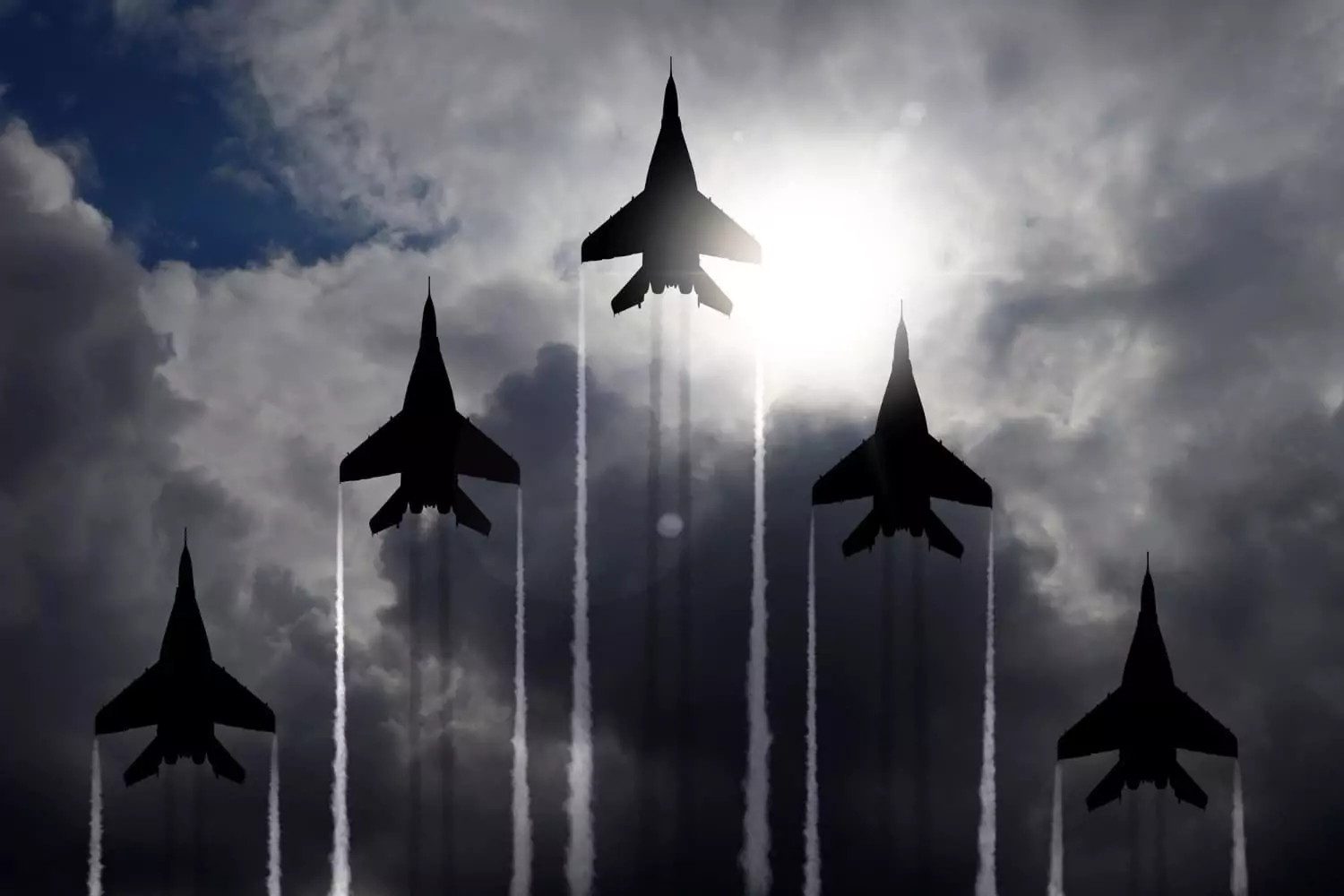

In September, Russia and Belarus are conducting large-scale joint military exercises. The last time such exercises took place was in the winter of 2022, after which the war in Ukraine began. History shows that war can break out unexpectedly, even when it seems impossible.
The Belarusian edition of "Euro Radio" talked with people who lived through the start of the war and compiled their recommendations on how to prepare.
Fill up the car and pack a bag with the essentials
Anna Samoilenko, a Ukrainian woman who has been evacuated from the combat zone twice, shares some key advice for those concerned about a possible Russian attack on Lithuania or Poland.
Anna has been evacuated twice: in 2014, she left Donetsk with her children and moved to Kyiv, and in 2024, she moved to Poland. Her family now lives in Suwałki, a small town near the border with Belarus. This region is often mentioned in the context of potential aggression because of the “Suwałki Corridor”—a route that could connect Russia to Kaliningrad via Belarus, providing access to the Baltic Sea.
“I’ve already been attacked twice, so I don’t panic,” says Anna. “But I’m sure that war could one day come to Europe. I wouldn’t go out of my way to prepare for it, but if it starts, we have to be ready.”
Preparing at Home: Stocking Up on Food and Water
Anna recommends keeping a two-week supply of food and water at home. Pasta is a good choice, but in the event of a war, there might not be any electricity to cook it. Therefore, it’s better to stock up on canned goods and foods that don’t require cooking. Water is needed not only for drinking but also for hygiene, such as brushing your teeth.
It's also important to pack a suitcase with your essentials: documents, money, and items that are valuable to you.
“For me, it’s my documents, my money, my kids, and my cat,” Anna says. “I’ll load all of that into the car and drive away.”
In addition, she recommends bringing along any tools or equipment related to your profession. If you’re a seamstress, bring your sewing machine; if you’re a manicurist, bring your tools. This will help you earn a living wherever you end up evacuating to.
It's best to pack as few clothes as possible: volunteers in safe areas will help you with clothing and shoes.
Evacuation: Keep Your Car Ready
When war breaks out, public transportation and taxis become unavailable, and fares skyrocket. That’s why it’s important to plan ahead for how you’ll leave the city.
Anna has two cars, and she plans to have her 17-year-old daughter get her driver's license as soon as possible.
“I told my daughter, ‘Go get your driver’s license so that, if anything happens, we can leave in two cars,’” she says. “A full tank of gas is a must. You don’t necessarily have to keep a gas can in the garage, but the car should always be full.”
Where should we go? Anna advises heading as far west as possible in Europe, where it’s safest right now. For example, many Poles buy homes in Spain, in cities like Alicante. Knowing English will make it much easier to settle in Europe.
The choice of city depends on your profession. If you’re a factory worker, it’s better to go to a small city with an industrial sector. Without an education or knowledge of the language, it’s also easier to find work in small cities, where there’s less competition and living costs are lower. It’s important to have cash on hand.
"My only advice is to run as far away as possible."
Belarusian volunteer Karina Potemkina experienced the start of the war in Bucha, Ukraine. She now lives in Poland and shares her advice.
“My main piece of advice is to stay away from the war. Don’t expect it to be over in a couple of days. It won’t be,” says Karina.
According to her, food in stores runs out within a week, and communication is cut off almost immediately. This leads to chaos, panic, and rash decisions. Karina recalls how families were shot on the roads in Borodyanka, people were shot in basements in Bucha, and tanks shelled residential buildings in Irpin, despite residents’ attempts to hide.
“Don’t take this the wrong way, but my only advice is to run as far away as possible. There are no guarantees in war,” she emphasizes. “The less you panic, the better your chances of survival. Fear shuts down your mind.”
Karina hopes that people in Poland, Lithuania, or Estonia will never have to face war, but she emphasizes that it is the worst thing that can happen. War changes a person forever.







0 comments
Enter your email — we’ll send you a one-time code. No passwords or accounts.
Code sent to
If the email doesn't appear in your inbox within a few minutes, check your spam, junk, or promotions folder, as some email services may mistakenly place automated messages there