

You packed your bags, gave it all the middle finger, and moved—perhaps to the city of your dreams, where Gay people don't hide in basements, but go to Pride with their moms. But half a year has passed, then a year… and you’re still drinking wine alone in the kitchen, mindlessly swiping through your TikTok feed, and mulling over the question in your head: What's wrong?
Let's get this out of the way right away: Are you okay?. But the problem is real. According to Pew Research Center (2022), более 56% мигрантов LGBTQ+ сообщают о a sense of isolation and loneliness even a year after moving there. And it’s not just a matter of “not making friends.” It’s about something deeper: adjustment, identity, and trust.
How to Make Friends in the LGBTQ+ Community After Moving: The Hidden Barriers
Migration isn't just a change of address. It's a cultural puzzle. And as it turns out, there are more details to it than you might think.
Language barrier — is obvious. But psychologist Yegor Burtsev on the podcast “Why are you still single…”, points to a far more insidious obstacle— cultural.
⠀
Even if you know the language, you might not understand how people “over here” meet, flirt, and make friends. In some countries, small talk is an art; in others, it’s a sign of insincerity. In some places, people discuss politics and therapy when they meet, while in others—only "Glory Hole" and Netflix Series.

📌 Fact: In the study “Queer Migration Narratives” (Harvard, 2020), participants from the LGBTQ+ migrant community noted that Finding friends in the gay community is complicated by unspoken codes of conduct, which are difficult to count without experience.
The "Perfect Person" Facade: Why Does It Make It Harder to Find a Partner in the Gay Community?
You want to be “understood,” but when you meet new people, you come across as a walking Tinder profile: perfect, curated, with polished one-liners. The problem? You never show your true self.
“A mask” is a shield. It protects you from rejection. But it also prevents anyone from really getting to know you.

📌 In psychology, this is called “social facadization” — a mechanism that arises in a new environment when one feels insecure. According to the study APA (2021), people who hide their emotions and mask their vulnerability are less likely to form long-term, supportive relationships.
Unfortunately, the gay community can reinforce this. The emphasis on “success,” appearance, and social status creates the feeling that you have to “fit in.” But the harder you try to fit in, the further you end up from your true self.
Authentic Communication: The Secret to Building Connections in a New Community
If you want to stop being just part of the background at someone else's party, Start talking like a real person, not like some image you've created for yourself.
Yeah, dating is great. But don't base all your social interactions solely on Grindr.
General Steps — the best glue. Here are some practical ideas:
Quizzes or Quests — The brain begins to associate “new people” with “positive experiences.”
Film clubs and film discussions The perfect way to go from "how are you?" to "how do you really feel?"
LGBTQ+ sports sections, board games, yoga – work because they reduce the pressure on "being interesting". You are just present.
📌 Fact: According to the study LGBT Foundation (2022), participation in informal groups increases the likelihood of sustainable social connections among queer migrants by 3 times.

Community Support: Why Does Gossip Help Relieve Anxiety?
You can snort: Gossip is toxic. But let's be honest: in the new society, they can play an important role. This is not about anger, but about social navigation.
You get information: who is a friend of whom, who is toxic, where it is better not to go. And, lo and behold, the level of anxiety drops – you understand the rules of the game.
📌 Psychologists call it "social sharing" is an important way to normalize what is happening. In the magazine Social Psychology Quarterly (2021), a study found that in gay groups sharing "innocuous information" helps create a sense of belonging and security.
But remember: Gossip is a social instrument, not a weapon of mass destruction. Use wisely.
Migration and the "soap bubble": why do you need to go beyond your circle?
The first reaction is Stick to "your own". Russian-speaking, with similar phrases, traumas and memes. This is normal – we are looking for the familiar. But if you stay only in this bubble, adaptation goes by.
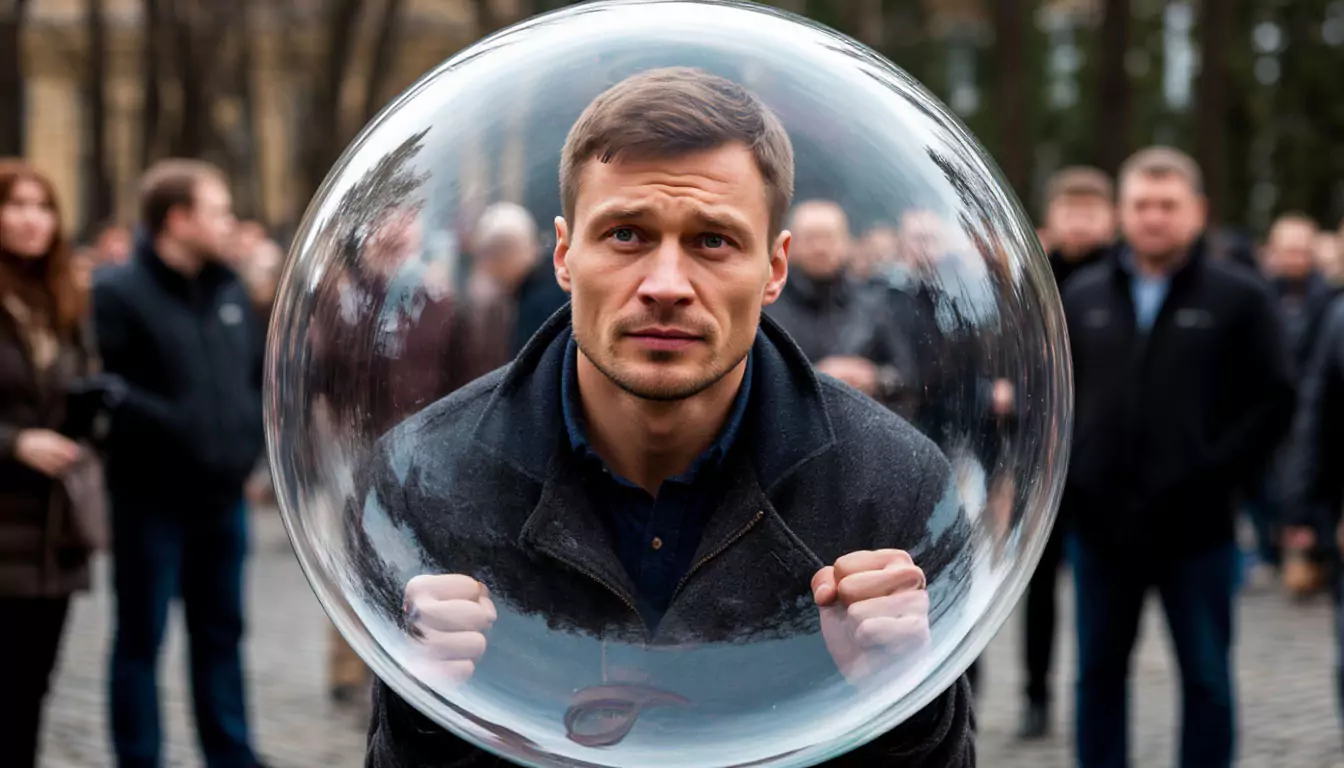
Why is it dangerous?
- The social circle does not expand.
- There is a distortion of reality ("everyone here is evil", "everyone here is only in parties").
- There is no access to the full-fledged culture of the new place.
📌 In the study “LGBTQ+ Integration and Wellbeing” (University of Toronto, 2023), it turned out that active engagement with the local LGBT community is directly related to the level of satisfaction with life and mental health.
From adaptation to integration: your path to a happy life in a new country
Adaptation is getting used to it. Integration is about feeling like you belong.
You stop being a "guest" and start building a life.
You are no longer just observing, you Influence, contribute something to the community, you get in return.
To get there, you need to:
- Challenge your own habits (“I’m an introvert,” “I’m not a party person”—that’s no reason to stay home forever).
- Take the risk of being real.
- Study not just to make friends...but also to be a friend.
Don't be afraid to reach out to others: the gay community is waiting for your "Yes"
The most important step is — to say "Yes". Even if it feels awkward, even if your language isn't perfect, even if it seems like everyone else has already found their group.
You matter. Your story, your experiences, your feelings—all of this can become part of a new community. But no one will know if you just sit quietly in the corner.
Final tips:
- Check out local LGBTQ+ Telegram chats—they offer meetups, networking, and support.
- Don't set a goal to "find friends right away." Set a goal to— stay in touch.
- Start talking to people without trying to impress them.
And remember: Your “Yes” could be the start of a great friendship.






0 comments
Enter your email and we will send you a one-time code. No passwords, no accounts.
Code sent to
If the email does not arrive in your inbox within a few minutes, check your Spam, Junk or Promotions folder — some mail services may wrongly place automated messages there.