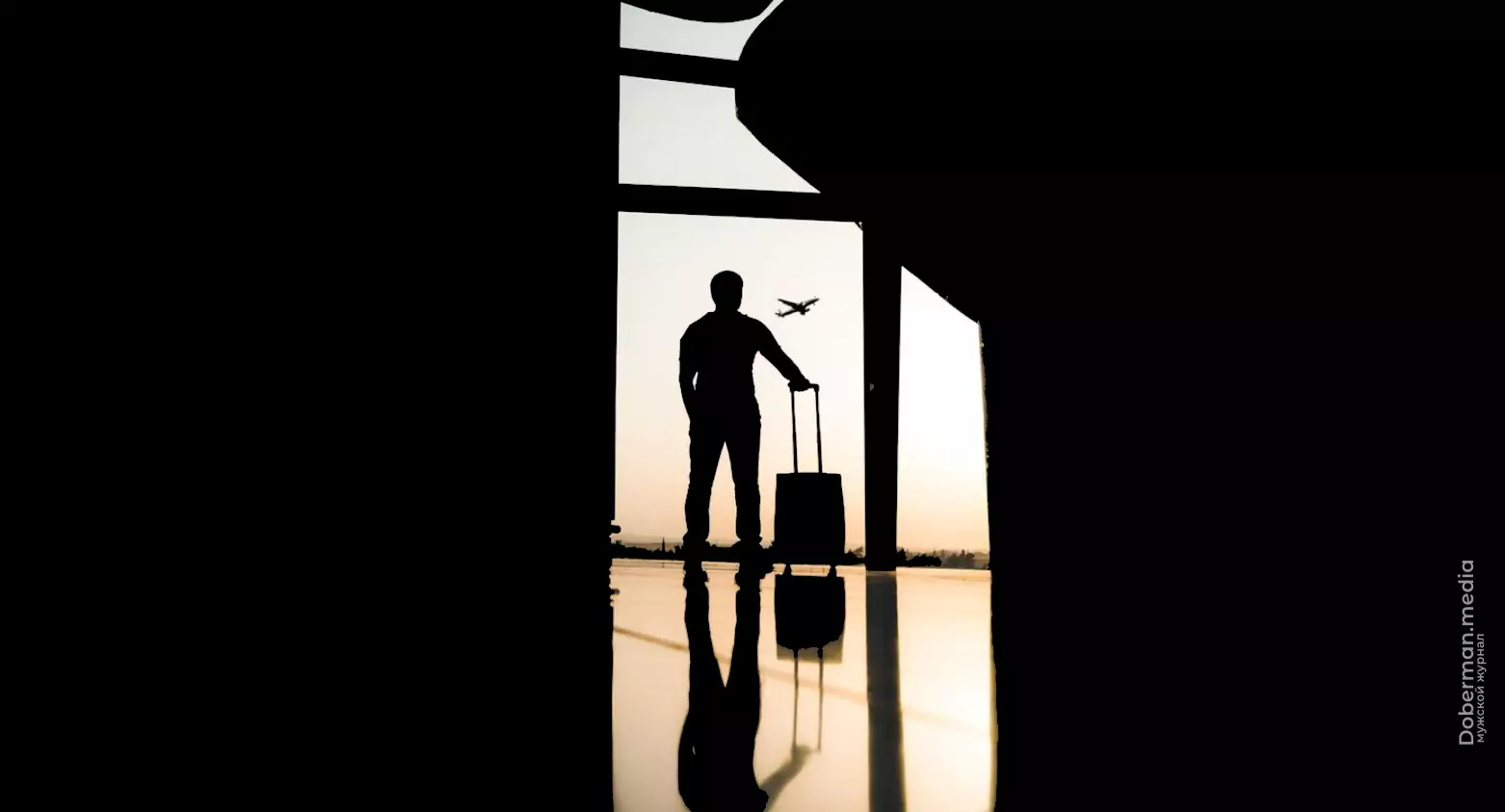

Let’s start this podcast with a joke: sometimes it’s not so much anxiety, depression, and adjustment that are scary, but rather the ways we try to cope with them. But as they say, there’s a grain of truth in every joke. When studying how men adapt to migration, you can’t help but ask yourself: it seems like everyone managed to get by somehow—no one went back. Yet, a large number of psychological problems remain.
Therefore, citing a study conducted with the support of Free Russian Foundation, we will examine how men in migration cope and which strategies prove ineffective.
Try listening to this and our other podcasts on your favorite platforms on the go, at the gym, at work or while relaxing:


As part of the study, respondents were asked, “How do you cope with the challenges of migration?” Certain trends emerged. It’s important to understand that every man and every woman adapts in their own way, and it’s not entirely accurate to claim that all men do it one way and all women another. For example, Vasya and Petya might adapt in completely different ways. It is not possible to speak of any universal “male strategies.”
The first common strategy is alcohol. Unfortunately, many people use it as a way to cope with stress. And we’re not always talking about extreme forms of alcoholism, where a person is literally passed out under a fence. It can be what’s known as “everyday alcoholism”: a glass of wine every evening, or a little more than a beer. However, some people noted the opposite in in-depth interviews—that emigration became a way for them to give up harmful habits. For example, one man shared that when political problems began in his country, he stopped drinking alcohol to avoid paying excise taxes.
The next coping mechanism is social isolation. This may seem like a logical step, especially if you need to integrate into a new community. But this approach backfires: it feels embarrassing to meet new people and start new relationships. This is especially true for men whose relationships may have ended after moving or who were single to begin with. Social stereotypes play a role: men believe that to build a relationship, they first need to secure their financial stability—which is more difficult to achieve as a migrant. This can exacerbate their isolation.
For those who feel the urge to shut themselves off, I would advise them to recall the story of Baron Munchausen, who “pulled himself up by his hair.” Perhaps it’s best to start small—get to know one person first, then another, gradually expanding your social circle.
Another strategy involves addictions, including gaming addiction. Some men withdraw into themselves and start playing video games, such as “Tanks.” The game becomes their sole source of positive emotions, which can lead to gaming addiction. In in-depth interviews, participants mentioned cases where immigrants became hooked on casinos because gambling was banned in their home countries.
The next coping mechanism—which may not seem like one at first—is workaholism. Many men living as migrants feel as though the ground is slipping away from under their feet, so they cling to their work, which leads to dependence. As a result, other areas of life suffer—personal relationships, hobbies, and friendships. This creates a vicious cycle: on the one hand, work helps them cope with reality; on the other, there’s nothing left besides work. Workaholism is dangerous because if a person loses their job, they’ll have nothing left to fall back on.
Another important point is avoiding emotions. Many men believe they need to tough it out by ignoring their feelings. But suppressed emotions will inevitably “come out” sooner or later. One of my clients told me that he didn’t want to feel sad about the life he’d lost, even though it troubled him deeply. I suggested he set aside 15–20 minutes a day for sadness. This allows him to manage his emotions, rather than letting them control him. You can even have a “sadness blanket”—it helps you consciously process negative feelings.
Shifting blame to others is another common strategy, especially in those families where a man has difficulty adapting. This destroys the relationship, since the woman does not see support in her partner. It is important to recognize your responsibility for the decisions made, for example, for moving to another country.
The study also found that the highest levels of anxiety and depression are observed in those who live in exile for two years or longer. In the first year, people often postpone solving problems, hoping that everything will resolve itself. However, after two years, the realization comes that time has been lost, which leads to a decrease in self-esteem.
And the last thing I would like to say: the main coping among men is not to ask for help. Many men believe that admitting problems is showing weakness. However, finding support, whether it's talking to friends or signing up for a language course, can help a lot.
Remember that all problems can be solved. It is important to recognize their presence, look at the experience of others and choose solutions that will not create new problems. I wish you successful adaptation and see you again on our podcasts.








0 comments
Enter your email and we will send you a one-time code. No passwords or accounts.
Code sent to
If the email doesn't appear in your inbox within a few minutes, check your spam, junk, or promotions folder, as some email services may mistakenly place automated messages there