
There are films that, after watching them, you just give them a rating, close the page, and move on to the next one. And then there are those that stay with you. Not because they have incredible special effects or a complicated plot, but because they touch on something very personal. Something that society prefers to keep quiet about.
Fisher Stevens’ film "Palmer" is exactly that kind of story.
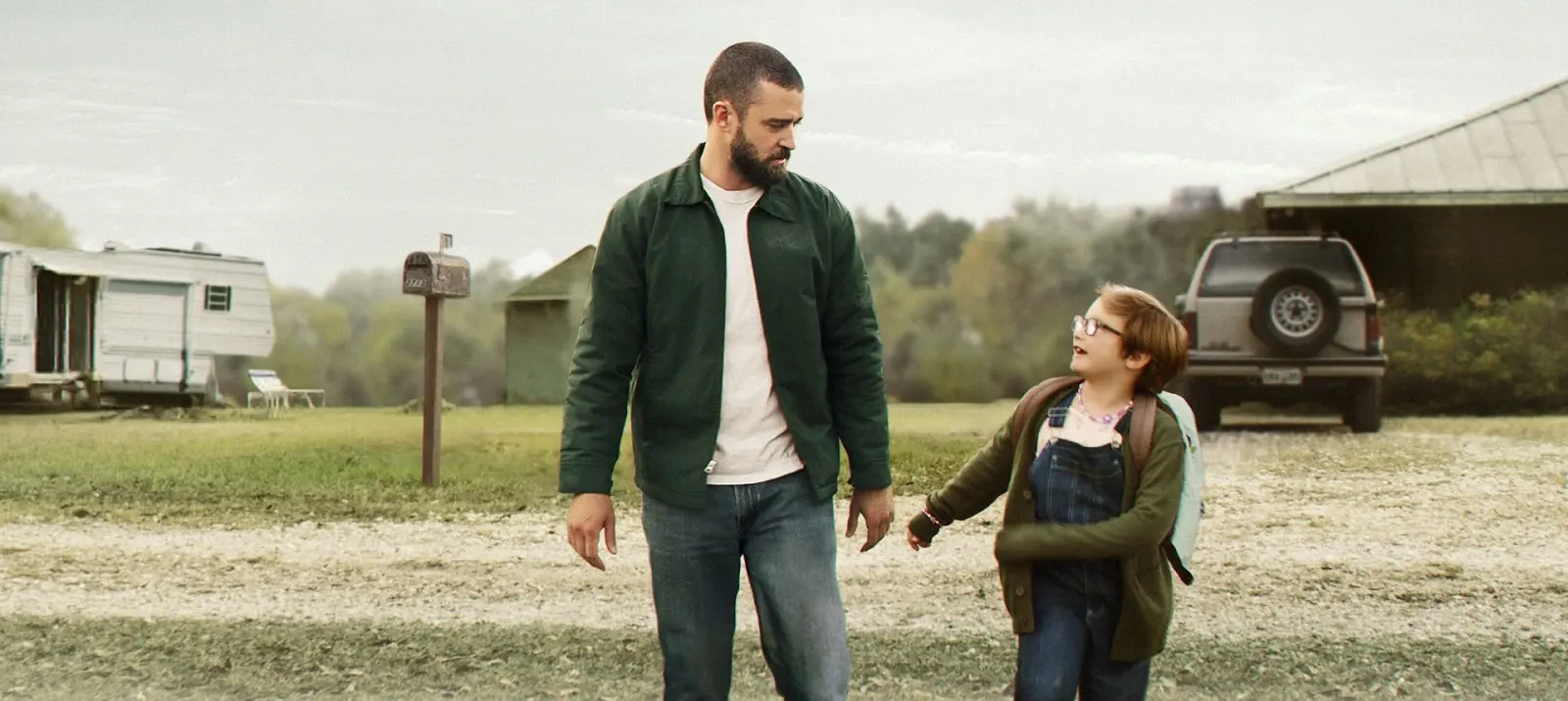
At first glance, it’s the story of a man who returns home after a long absence, tries to rebuild his life, and unexpectedly becomes part of the life of a little boy named Sam. But behind this simple plotline lies a much deeper theme: a child’s right to be himself in a world that constantly tries to tell him what he should be like.
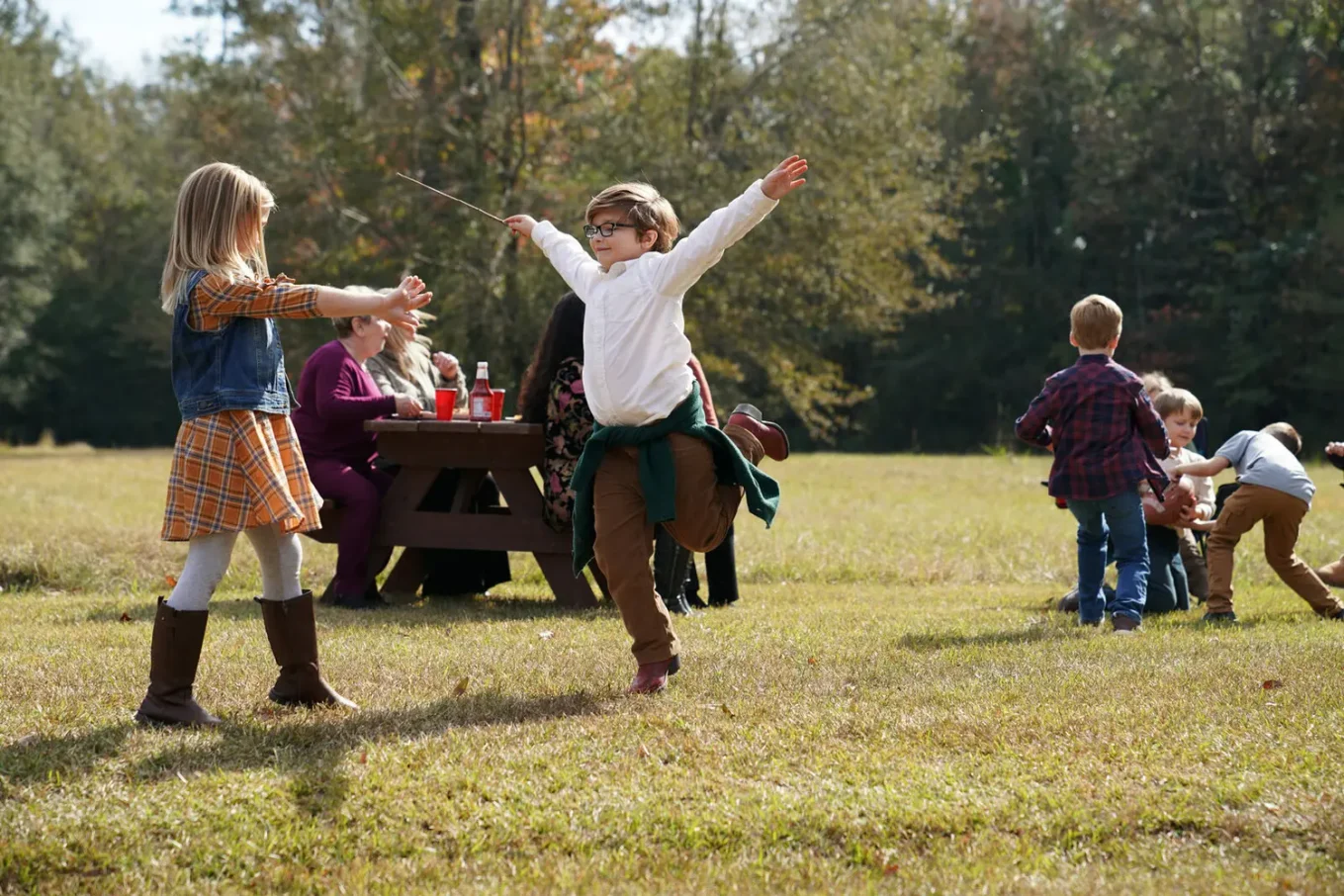
Sam loves dolls, princess dresses, and things that others are used to thinking of as strictly for girls. To him, there is nothing unusual about it. He is not trying to prove anything to anyone, he is not starting a revolution, and he does not demand special treatment. He is simply a child who likes what he likes.
But that is enough for others to start judging him.
And that is where the most painful part of the film begins.
When childhood turns into an exam of conformity
Why do adults so often feel entitled to decide what children should be like? Why can a boy love soccer, toy cars, and superheroes, but if he puts on a dress, it suddenly becomes a problem for society? Why is a girl allowed to play with dolls, choose pink, and dream about fairy-tale princesses, while a boy with the same interests immediately becomes a target for ridicule? Who even came up with these rules?
We are born without a ready-made list of allowed colors, toys, clothes, and interests. These boundaries are created by adults, by culture, tradition, and social expectations. And then they are passed on to the next generation as if they were something fixed and natural.
A child is not yet able to understand themselves, and already adults are explaining to them what is right and what is wrong.
They are told how to sit, how to speak, how to dress, who to be friends with, and what they are not allowed to want. And all of this is often called upbringing.
But sometimes what is presented as upbringing is really just adults' ordinary fear of anything that doesn't match their idea of normality.
The most frightening thing is not difference, but other people's reaction
In Sam's story, what is especially important is that the boy himself does not see his preferences as a problem. It is others who make them into a problem.
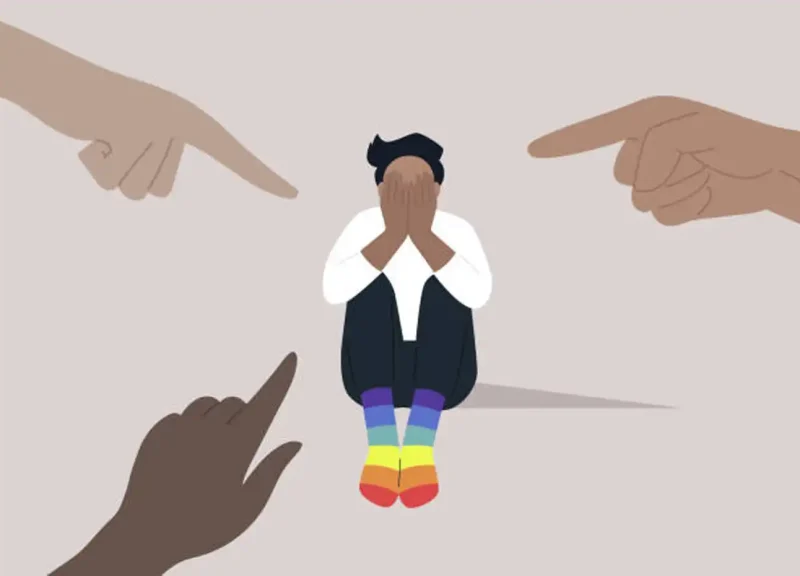
It is adults who turn his individuality into a subject for discussion, mockery, and condemnation. It is society that makes him feel that something is wrong with him.
This is a very important observation.
When we talk about children who do not fit traditional gender expectations, we often focus on the child themself. We discuss their clothes, behavior, interests, possible identity. But why do we so rarely discuss the adults who feel entitled to humiliate and restrict them?
Why do we ask the child questions and not the people who are laughing at them?
Why does a boy in a dress provoke so many emotions in complete strangers?
Perhaps because someone else’s freedom sometimes becomes a mirror in which our own prejudices are especially clearly seen.
A childhood to be unashamed of
I believe every person deserves a childhood in which they do not have to constantly monitor themselves.
A childhood where you can play, imagine, experiment with your appearance, be interested in different things, and not be afraid that you’ll stop being loved for it.
A child should not have to earn the right to be accepted. They do not need to prove that they are a good enough boy or a good enough girl. They do not need to meet anyone’s expectations in order to have the right to safety and respect.
And here it is important to draw one fundamental line: a love of certain toys, clothes, or colors does not by itself define a person’s gender identity. A boy can like dresses and still be a boy. A girl may not like dresses and still be a girl. And someone may eventually discover that the usual categories do not describe their inner sense of self at all.
All these variations deserve respect.
The main thing is not to rush to put labels on things and not to force a child to live by someone else’s script.
Why are adults afraid of children’s freedom?
There is one paradox: society constantly talks about the need to protect children, but sometimes, under the banner of protecting children, it tries to deprive them of the chance to be themselves.
We are told about traditional values, proper upbringing, and preserving the usual order. But should traditional values mean humiliating another person? Does a family become any less real if a child chooses unusual clothes? Does a parent's love become weaker if their son isn't interested in football?
Does a person's dignity depend on how well they fit into the majority's expectations?
It seems to me that society too often confuses care with control.
Caring for a child means creating a safe environment for them, listening to them, respecting their feelings, and helping them grow. Controlling every detail of their self-expression is something completely different.
And the film "Palmer" very subtly shows how much can change when at least one adult stops looking at a child through society's eyes and starts seeing an individual in them.
Иногда семья – это не кровь, а выбор
Palmer's relationship with Sam deserves special attention.
Their relationship doesn't begin with an ideal family picture. Palmer doesn't enter the boy's life as a ready-made hero who immediately knows the answers to every question. He goes through a journey of change himself.
Gradually, trust grows between them. And that becomes one of the film's most important emotional threads.
Palmer begins to see not a strange child who needs to be fixed, but a little person who needs support, attention, and a sense of safety.
This is perhaps one of the most powerful ideas in the film: sometimes a person needs just one adult who won’t try to change them.
One person who will say: you don’t have to be what others want you to be. You have the right to be yourself.
And this applies not only to children from the queer community. It applies to any child who has ever felt like an outsider because of their interests, personality, appearance, or differences.
Personal perspective: why this story feels so close to me
For me, this story has a special meaning.
I know what it means to grow up feeling that you are different from those around you. I know how hard it can be to live in a society where your individuality is seen not as a part of you, but as something that needs to be hidden.
When a person from childhood understands that their inner world does not match the expectations of family or society, they may learn to stay silent before they learn to speak openly about themselves.
They may choose their words, change their behavior, hide their interests, and constantly think about how others will perceive them. And the saddest thing is that sometimes a person begins to believe the problem is really in them.
But the problem is not that someone is different. The problem is that society so often makes difference a reason for exclusion.
I don’t want to idealize childhood or insist that every child must go through a certain journey of self-discovery. I want to say something else: no child should have to be afraid of their own individuality.
No child should feel that love for them depends on how successfully they portray the person adults want to see. And no child should be left alone with ridicule just because others are not ready to accept their uniqueness.
Acceptance is not a threat to society
One of the main questions a film leaves behind: why is it so hard for us to simply let another person be themselves?
Acceptance does not mean that everyone must think alike. It does not require each person to change their own beliefs. But it does imply basic respect for another person's dignity.
You can disagree with someone’s interests, but that does not give you the right to humiliate them.
You can have your own ideas about parenting, but that does not justify bullying.
You may not understand someone else’s life experience, but you can at least try not to cause pain.
Especially when it comes to children.
We often say that children are our future. But what kind of future will that be if today we teach them to be ashamed of themselves?
How can we raise confident, free, and happy people if, from an early age, we teach them that love must be earned by meeting certain standards?
And if, after watching “Palmer,” the viewer pauses for even a second to think about how many children today are forced to hide who they are for fear of being rejected, then this film has already done a very important job.
And perhaps the real measure of a society’s maturity lies not in how well it keeps its familiar rules, but in how carefully it treats those who don’t fit into them.






0 comments
Enter your email and we will send you a one-time code. No passwords, no accounts.
Code sent to
If the email does not arrive in your inbox within a few minutes, check your Spam, Junk or Promotions folder — some mail services may wrongly place automated messages there.