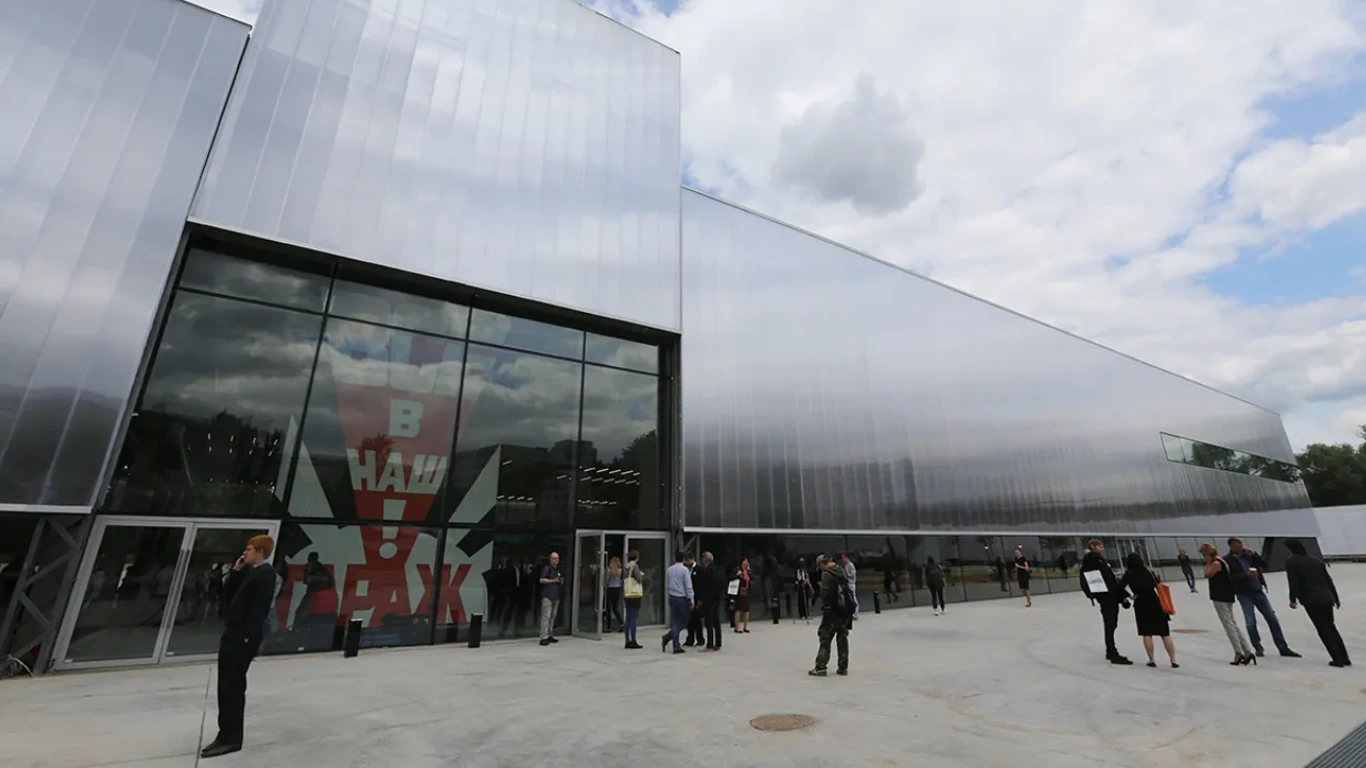

The Garage Museum of Contemporary Art, founded in 2008 by Dasha Zhukova and Roman Abramovich in Moscow's Gorky Park, remained Russia's leading private art institution and a symbol of the country's integration into the global cultural landscape for 15 years. However, amid the tightening of Russian legislation on the “promotion of non-traditional sexual relations,” the machinery of repression has now reached museum spaces, with the censorship mechanism taking unexpected forms.
What Happened
A magistrate judge in Moscow fined Sergey Klyucherev, head of security at the Garage Museum, 100,000 rubles under an administrative offense report for “LGBT propaganda” (Part 1, Article 6.21 of the Russian Code of Administrative Offenses).
This case marks a new stage in the censorship pressure on independent culture in Russia: government agencies are making security staff, rather than curators or art historians, responsible for the “ideological purity” of exhibitions.
What prompted the case
The administrative prosecution concerns two works exhibited as part of the “Open Storage” project:
- Olga Tobreluts's film “Woe from Wit” (1994);
- Lyudmila Gorlova's work “How I Love”.
In May 2026, police officers inspected the museum's exhibition, after which the works were sent to the Center for Sociocultural Expert Assessments for evaluation. The center's experts said they had found “signs of the promotion of non-traditional sexual relations and preferences” in the works.
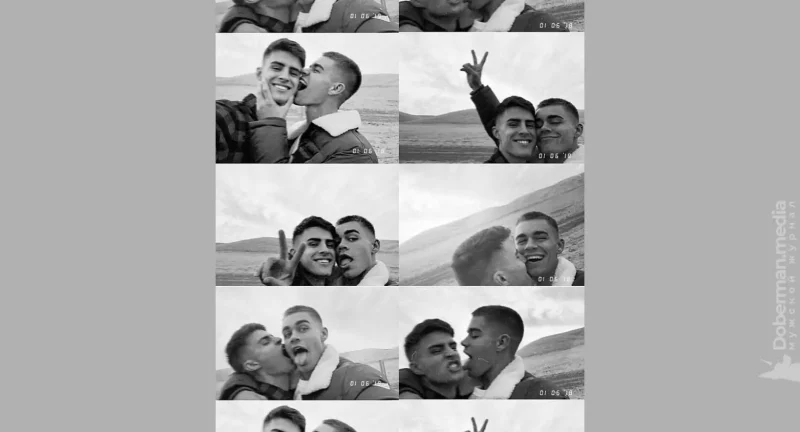
Earlier, the media reported on law enforcement raids at Garage in June, when a video featuring two men was seized from the exhibition. At the time, journalists linked the police visits to the exhibition "Art on the Frequency of the 1980s," but the final court ruling specifically names the exhibition "Open Storage."
Why the Head of Security Was Found Guilty
According to the court records, in December 2024, Sergei Klyucherev was formally appointed to oversee the legal review of exhibits and accompanying materials. Under his contract, the head of security was required to alert the museum's management to works that might violate prohibitions under Russian law and, if necessary, recommend that a legal review be conducted.
The court concluded that Klyucherev had failed to fulfill his professional duties and allowed the art objects to be displayed publicly, thereby committing an offense.
The Defense's Position
Klyucherev himself did not appear at the court hearing. His lawyer told the court that his client categorically denied any wrongdoing and insisted that the proceedings be dismissed on the grounds that no crime had been committed.




0 comments
Enter your email — we’ll send you a one-time code. No passwords or accounts.
Code sent to
If the email doesn't appear in your inbox within a few minutes, check your spam, junk, or promotions folder, as some email services may mistakenly place automated messages there