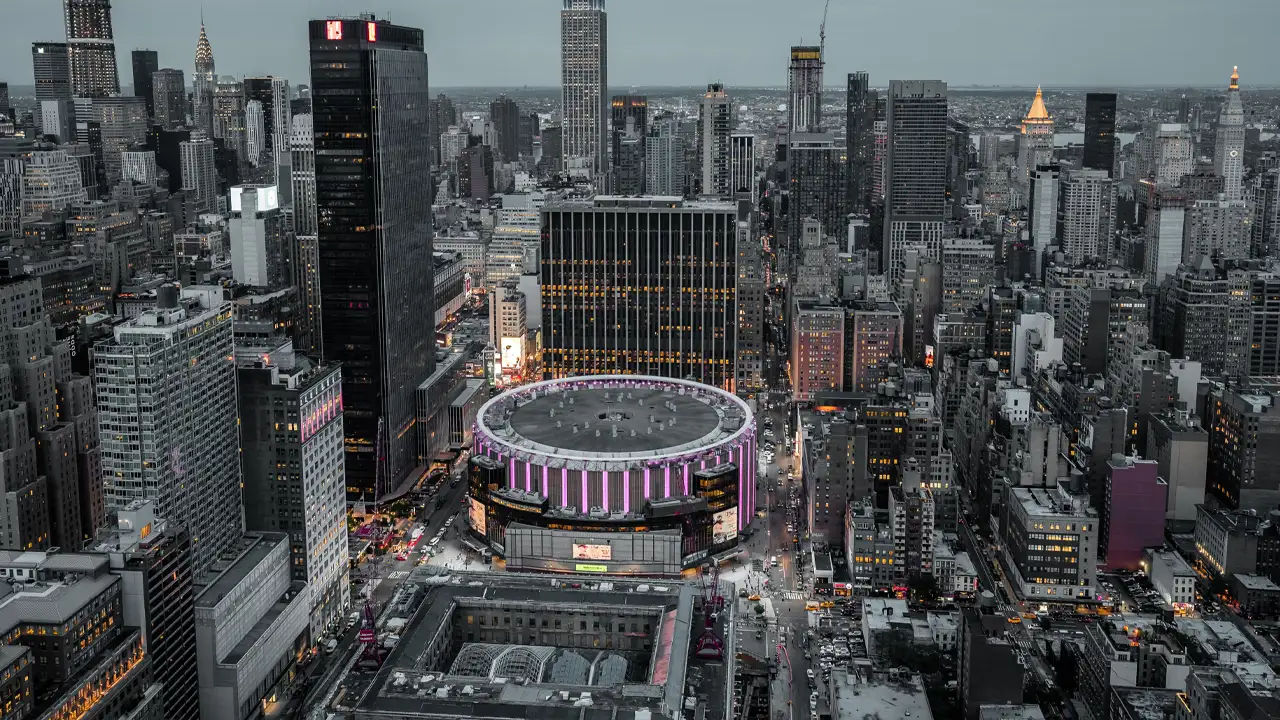

The administration of the famous New York arena Madison Square Garden (MSG) was convicted of creating a large-scale system of digital surveillance of visitors. As journalists from Wired and 404 Media found out, the security service of the venue maintained a database in which VIP guests were categorized depending on their sexual orientation, gender identity and political loyalty to the owner of the arena.
Madison Square Garden / MSG is a legendary mixed-use indoor sports and entertainment complex in New York City, located in Midtown, Manhattan, directly above Penn Station. Known as the "World's Most Famous Arena", it is home to two iconic sports clubs: New York Knicks (basketball, NBA) and New York Rangers (hockey, NHL).
Briefly about what happened:
- Hackers from the ShinyHunters group gained access to the internal MSG database, which contains almost 40 thousand records.
- Journalists found a separate category in the list «LGBTQIA», which included 93 celebrities.
- Each guest was assigned a "risk level" - from low to high. It depended on whether the person was critical of MSG owner James Dolan.
- This is not the first case: earlier it became known about the surveillance of a transgender fan, for whom an 18-page dossier was compiled with a record of every step, including going to the toilet.
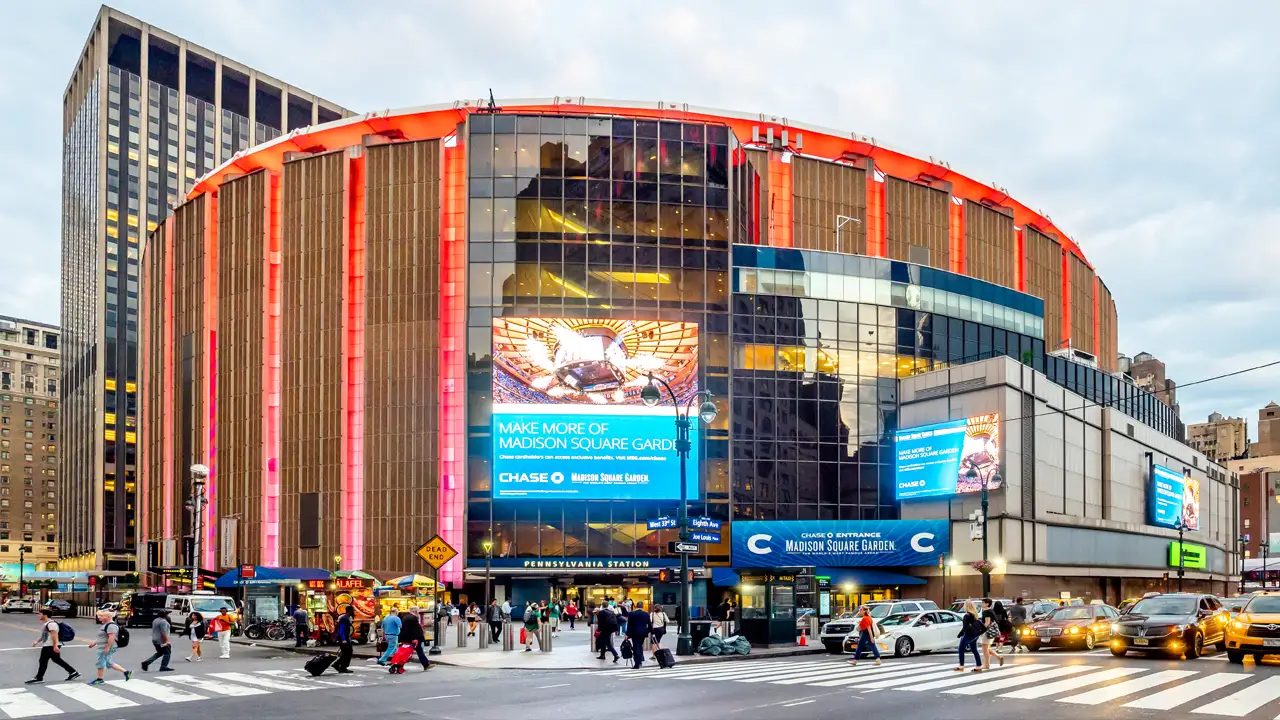
What did you find in the database?
According to Wired's investigation, MSG's VIP database is a digital "panopticon." In total, the list includes 39,539 names These are representatives of business, politics, sports and the media.
Particular attention was drawn to the 93 entries marked with the abbreviation "LGBTQIA". This list includes such stars as Ricky Martin, singer Phoebe Bridgers and the transgender guitarist of the band Geese Emily Green. The document also mentions a rapper Ice Spice, who attended the wedding of Taylor Swift and Travis Kelsey, which took place in this arena; She was labeled as a low-risk "bisexual."
How does the "risk" assessment system work?
MSG's security team uses a risk scale, which, according to Wired, reflects not so much a threat to physical security as personal loyalty to arena owner James Dolan.
- "Flag/low risk": Loyal or neutral celebrities like Edie Falco, Tracy Morgan, and Ben Stiller end up here.
- "Medium risk": Rapper Fat Joe, for example, fell into this category. Despite being a fan of the Knicks (owned by Dolan), he was flagged as suspicious due to his friendship with rapper Jadakiss, who criticized Dolan in 2020.
- "High risk": Rappers Lil Jon and Da Baby were on this list.
One Wired source called the system "truly paranoid and terrible."
Is this a systemic problem?
Human rights activists believe that MSG's interest in LGBT people is systematic. Evan Greer, director of digital rights advocacy group Fight for the Future, notes, "They seem overly interested in queer and trans people on their platform."
As an example, the incident with the transgender fan "Knicks" is cited. Security monitored her every move around the arena: what time she entered, how many times she used the elevator, who she hugged, and how much time she spent in the women's restroom (the report recorded the time she spent there: two minutes and five seconds). The purpose of the surveillance, according to employees, was to prevent her from contacting the players, although the woman did not pose any threat.
What do they say at Madison Square Garden?
Representatives of MSG categorically deny all accusations. In the official application for publication Them a company spokesperson called Wired's investigation "inaccurate and false," adding that the site intends to seek judicial protection of its rights.
However, amid international news about Swift and Kelsey's wedding, which also took place in Dolan's CCTV systems, the question of the boundaries of privacy at the main venues in New York is becoming more and more acute.







0 comments
Enter your email and we will send you a one-time code. No passwords, no accounts.
Code sent to
If the email does not arrive in your inbox within a few minutes, check your Spam, Junk or Promotions folder — some mail services may wrongly place automated messages there.