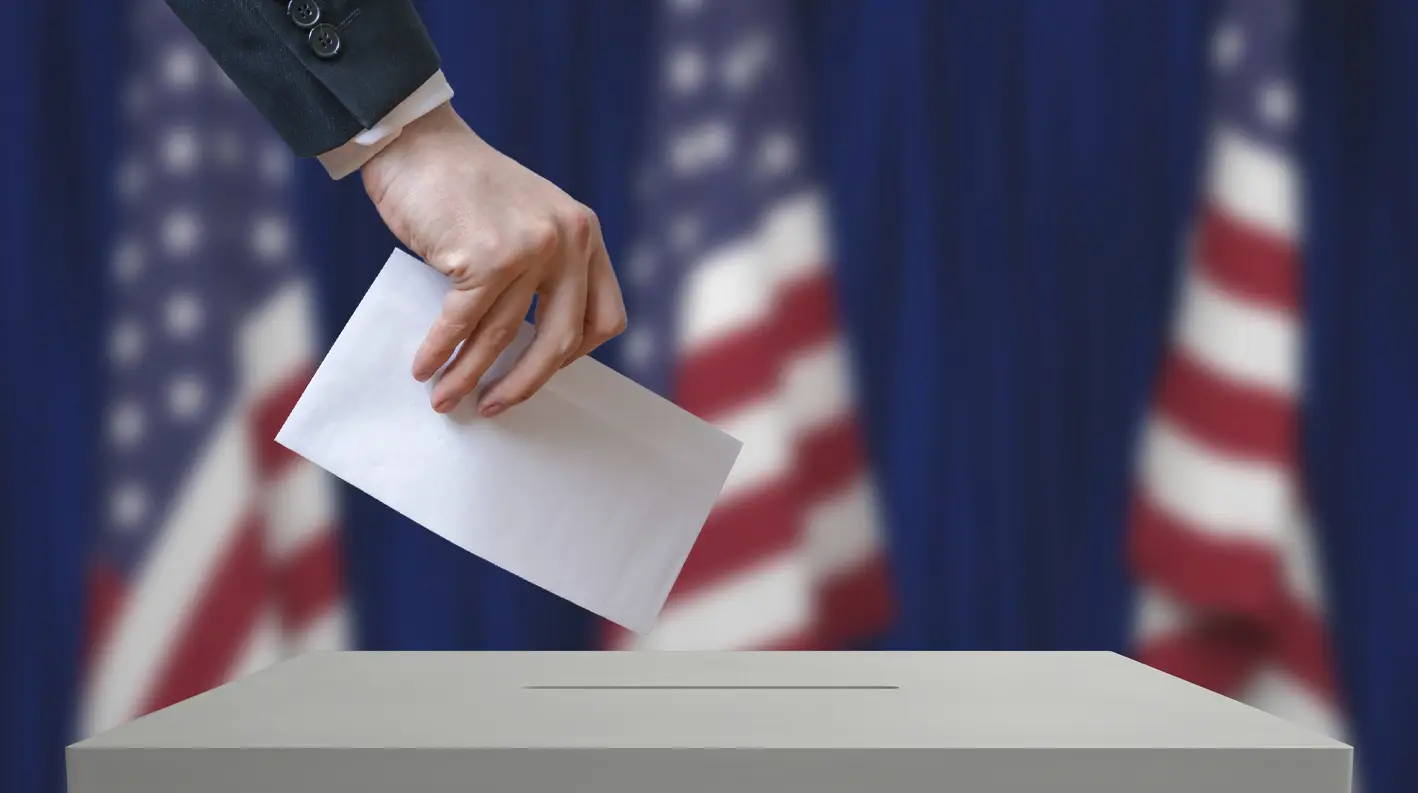
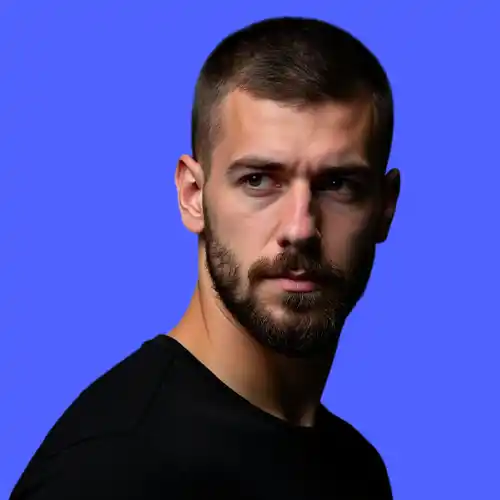
American politics has seen a real breakthrough in recent years: from 2018 to 2022, the country was swept by a “rainbow wave”—an unprecedented number of LGBT candidates were elected to public office. However, a new study from Northwestern University shows that this tolerance has its limits. It turns out that voters are willing to support gay men only if they look and behave like “traditional” men.
Table of Contents
What happened?
Political scientist Martin Nauonov conducted a study titled “Is That One (Gay)? Sexuality, Gender Self-Presentation, and Heteronormative Constraints on the Path to Election,” published in Journal of Politics. The researchers set out to determine whether Americans had truly overcome their prejudices or whether those prejudices had simply taken on a different form.
Main conclusion: Voters punish candidates not so much for their sexual orientation as for failing to conform to traditional norms of masculinity.
How was the study conducted?
Nearly 2,600 people (ordinary citizens and students) participated in two experiments. They were asked to evaluate fictional congressional candidates from their own party. The candidates’ profiles included photos and audio recordings of their campaign speeches.
The authors of the study manipulated two variables:
- Sexual orientation: The candidate mentioned "husband" or "wife" in his speech.
- Gender presentation: Using special software, the candidates' faces in the photos were made to look slightly more "feminine," and their voices in the recordings were made to sound slightly higher.
And what are the results?
Bias depends heavily on a voter's political views, but there are also some common traits:
- Among the Republicans It's still the same: the mere fact that a candidate is gay reduces the likelihood of support by approximately 22 percentage points. At the same time, any signs of “unmanly” behavior only make the situation worse.
- Among the Democrats The situation is more complicated. Being gay in their circles is no longer seen as a disadvantage—it might even be a slight advantage. However, the Democrats just as much as the Republicans, candidates are fined for looking or sounding “unmanly”—this fine amounts to about 7 percentage points.
As Naunov notes, on the left, the stance has shifted from “don’t be gay” to “don’t look or sound gay.”
This is the first study of its kind
This is the first study to distinguish between bias based on sexual orientation and bias based on gender behavior. It turns out that even people who consider themselves allies of the LGBT community subconsciously penalize those who display “markers of gayness” (such as a specific way of speaking or soft facial features).
What's more, The “penalty for unmanliness” also applies to heterosexual men. If a gay man doesn't look or sound manly enough in the eyes of voters, he, too, loses votes.
What will this lead to?
According to scholars, this creates serious barriers to minority representation. Public policy in the U.S. is becoming accessible to gay people, but only to those who are willing to conform to the strict framework of “heteronormativity.”
“We no longer refuse to elect gay men. Now we do choose them, but only as long as they conform to a very specific version of masculinity,” Martin Nauonov concludes. According to him, these traditional norms restrict the freedom and authenticity of absolutely everyone—both gay men and straight men.”





0 comments
Enter your email — we’ll send you a one-time code. No passwords or accounts.
Code sent to
If the email doesn't appear in your inbox within a few minutes, check your spam, junk, or promotions folder, as some email services may mistakenly place automated messages there