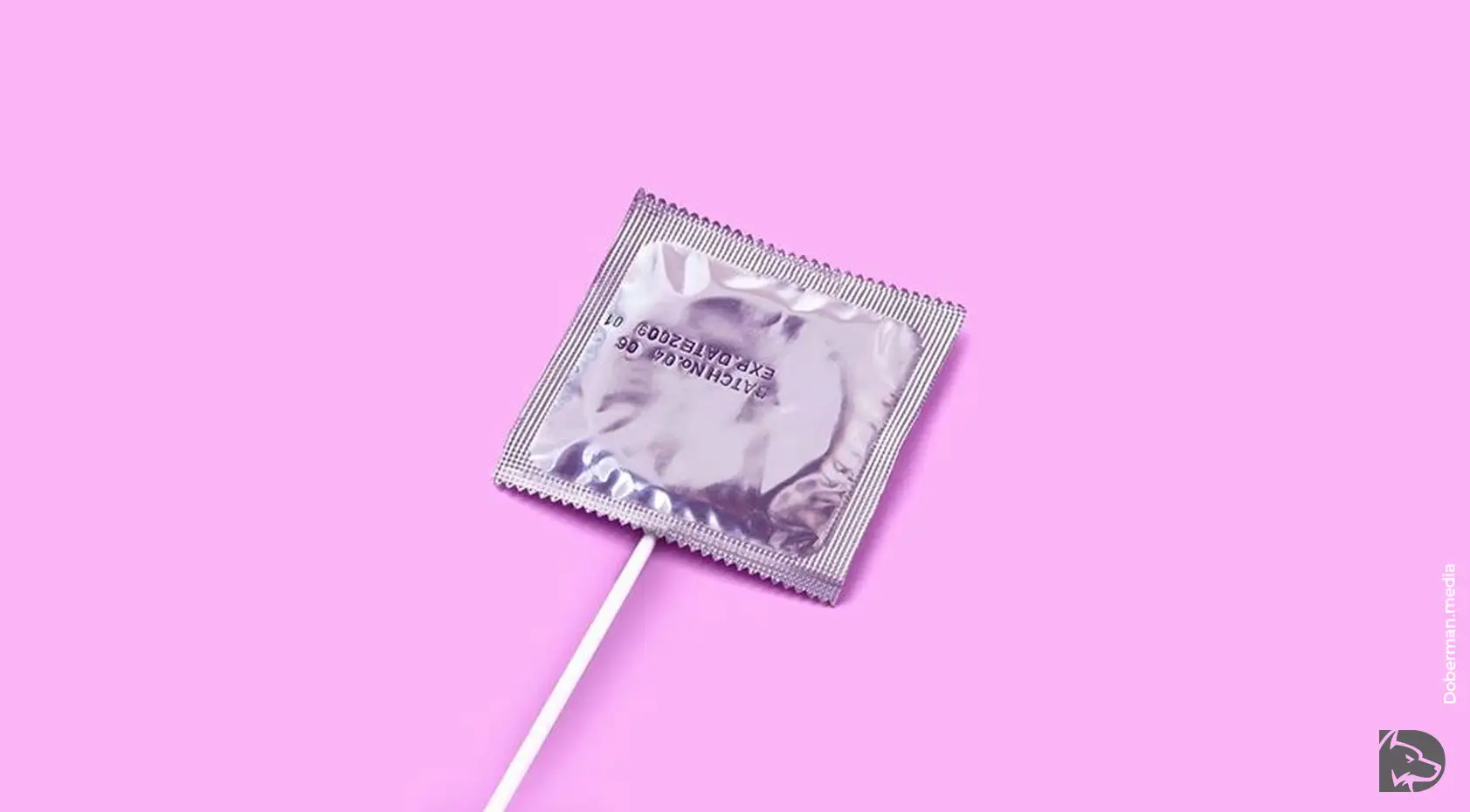

The war in Iran, which began in February 2026, triggered a major global crisis in the condom market. Due to a combination of logistical disruptions, a sharp rise in the price of raw materials, and ideological restrictions within Iran itself, the availability of this contraceptive has been threatened worldwide.
Price Spike: Why Condoms Are Getting More Expensive
The world's largest manufacturer, the Malaysian company Karex (which produces one in every five condoms worldwide under the brands Durex and Trojan), announced that it was inevitable a 20–30% increase in prices. The main reasons for the price increases are directly linked to the military operations:
The price of latex has risen by 30%, nitrile has doubled, and packaging materials (aluminum foil and plastic) have risen by 20%.
Due to the blockade of the Strait of Hormuz, instigated by Trump, ships have been forced to sail around Africa, which has doubled the delivery time for condoms to Europe and the U.S.—to two months. Shipping costs have risen due to “war surcharges” reaching $4,000 per container.
In Russian pharmacies, the price per pack has already risen by 13.2%, reaching 477–500 rubles, and experts predict further increases.
Iran's U-turn: From Regulating to Banning Condoms
Within Iran, the situation regarding condoms had begun to deteriorate even before the war. In an effort to boost the birth rate, the country’s authorities imposed strict restrictions:
Advertising for any form of birth control, including condoms, is completely banned in the country.
Also in 2022, a ban on the free distribution of condoms at public health centers went into effect.
A study in the city of Ardabil showed that the use of modern contraceptive methods following the implementation of these measures fell from 67.25% to 31%. This led to an increase in unwanted pregnancies to 49.25% and a significant rise in the number of unsafe abortions.
The Pharmaceutical Industry Under Attack
The military escalation has directly damaged Iran's industrial capacity. As a result of the U.S. and Israeli attacks, there were Eight pharmaceutical plants were seriously damaged or destroyed. In some cities, pharmacies have come under fire. In addition, the conflict threatens drug production in Europe (particularly in Germany) due to a helium shortage; imports of helium also depend on stability in the Strait of Hormuz.
The humanitarian aspect: 1.2 million stranded condoms
The crisis has taken on a global scale, affecting the world’s poorest countries. According to the United Nations Population Fund (UNFPA):
- 16 countries (including Yemen, Sudan, and Nigeria) have faced delays in deliveries.
- More 1.2 million male condoms found themselves blocked along their supply routes due to changes in logistics routes through Dubai.
- This deprives thousands of women and girls of the ability to plan their families and of basic protection.
The war in the Middle East has highlighted the fragility of the global healthcare system. Condoms, which have long been an accessible means of protection, are now caught in the crossfire of geopolitics and military conflict. The global “condom crisis” is leading to rising prices, shortages, and, as a result, long-term negative consequences for the reproductive health of the world’s population.









0 comments
Enter your email and we will send you a one-time code. No passwords, no accounts.
Code sent to
If the email does not arrive in your inbox within a few minutes, check your Spam, Junk or Promotions folder — some mail services may wrongly place automated messages there.