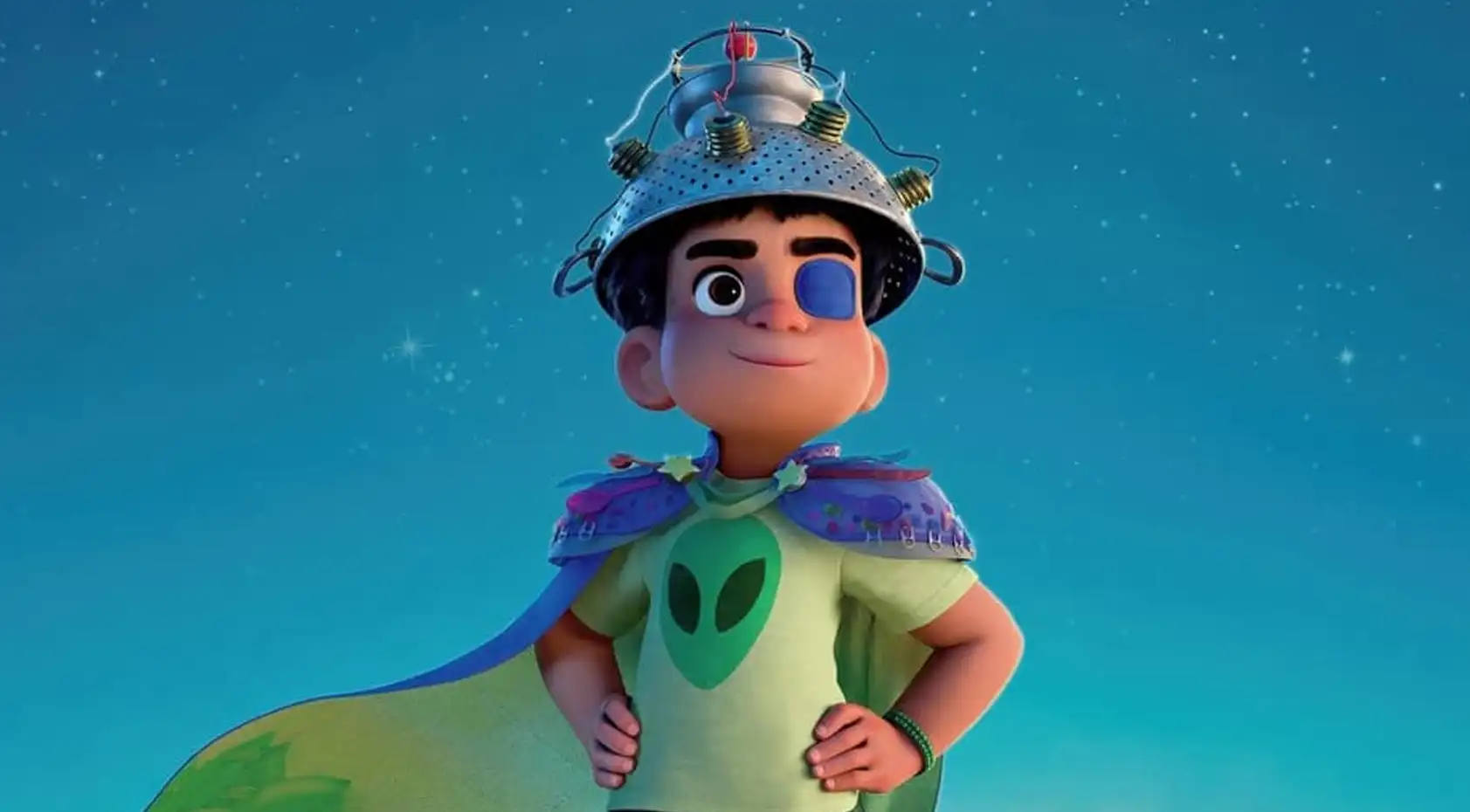

In June 2025, “Elio” hit theaters—an ambitious Pixar science-fiction animated film about a boy who accidentally becomes Earth’s ambassador to the intergalactic community. Nearly a year after its premiere, details emerged about the extensive “editing” the film underwent: all references to the main character’s homosexuality were cut from it.
Doberman.media explains how the studio, once considered a bastion of creativity, traded artistic vision for “versatility,” and why a comment by the Pixar boss about “therapy” sparked outrage among employees and fans.
What happened, anyway?
The animated film "Elio" was announced back in 2022, and its original director was Adrian Molina — an openly gay screenwriter of the cult classic *The Secret of Coco*. However, the project ran into delays during production, and Molina eventually stepped down as director.
As later became clear from the reports The Wall Street Journal According to interviews with the filmmakers, the original version of “Elio” was very different from what viewers saw. In Molina’s version, the main character was a queer-coded character:
- In one of the scenes, the protagonist saw his future, in which he raises the child together with her husband, with whom he was in love.
- He was interested in fashion and the environment.
- The story hinted at his feelings for another boy.
- He collected trash on the beach and made clothes out of it (including a pink T-shirt).
Why was all of this cut out?
Pixar's official explanation was "poor test screening results." Audiences were reportedly not eager to go see such a movie in theaters. After that, the studio's chief creative officer Pete Docter (director of *Up* and *Inside Out*) ordered a complete overhaul of the project.
The doctor explained this decision as stemming from a desire to make the film “universal” and understandable to all parents. His statement in the interview Variety It instantly went viral and caused a scandal:
"We're making a movie, not a therapy program that costs hundreds of millions of dollars."
According to Docter, Molina’s work was too “directorial” and semi-autobiographical, based on his personal experience of growing up as a queer teenager. The studio decided that such themes were too complex for children, who supposedly might need “parental guidance” to process what they saw. As a result, Elio was made more “masculine,” and his love of fashion and the environment was simply cut out.
Did censorship help ticket sales?
In short, no. "Elio" received mixed reviews from critics and was a box-office flop. With a budget of about $150 million, the film grossed the same $150 million at the global box office (which, after accounting for marketing costs, amounts to a net loss).
Critics noted that the animated film feels “safe” and predictable. Instead of a deep story, Pixar opted for “colorful characters to appeal to a younger audience,” losing the emotional depth it had promised two years ago.
How did people within the studio react to this?
Doctor's decision sparked a wave of criticism among Pixar employees. The situation was exacerbated by the fact that this is not the first such incident in recent times. Disney, the parent company, recently cut a transgender character from an animated series Win or Lose.
For many artists and animators, this was a wake-up call: Pixar is no longer a studio focused on creators and bold ideas. The priority now is “safe,” as sterile as possible storylines that won’t offend conservative parents.
P.S.
The “Elio” case isn’t just a story about a deleted scene featuring a pink T-shirt. It illustrates how large corporations, in their attempt to please “everyone at once,” lose their identity and, ironically, money.
Pete Docter says he wants to make films that the studio “genuinely believes in,” but at the same time is afraid to tackle any controversial topics. As long as Pixar keeps announcing safe sequels like *Monsters, Inc. 3*, “The Incredibles 3,” and “Coco 2,” fans can only wonder: will we ever see a hero on the big screen who isn’t afraid to be himself—without censorship from the producers?







0 comments
Enter your email — we’ll send you a one-time code. No passwords or accounts.
Code sent to
If the email doesn't appear in your inbox within a few minutes, check your spam, junk, or promotions folder, as some email services may mistakenly place automated messages there