The opinions and statements expressed in this article are those of the author and do not necessarily reflect the views of the Doberman.media editorial board; they should not be considered its official position.
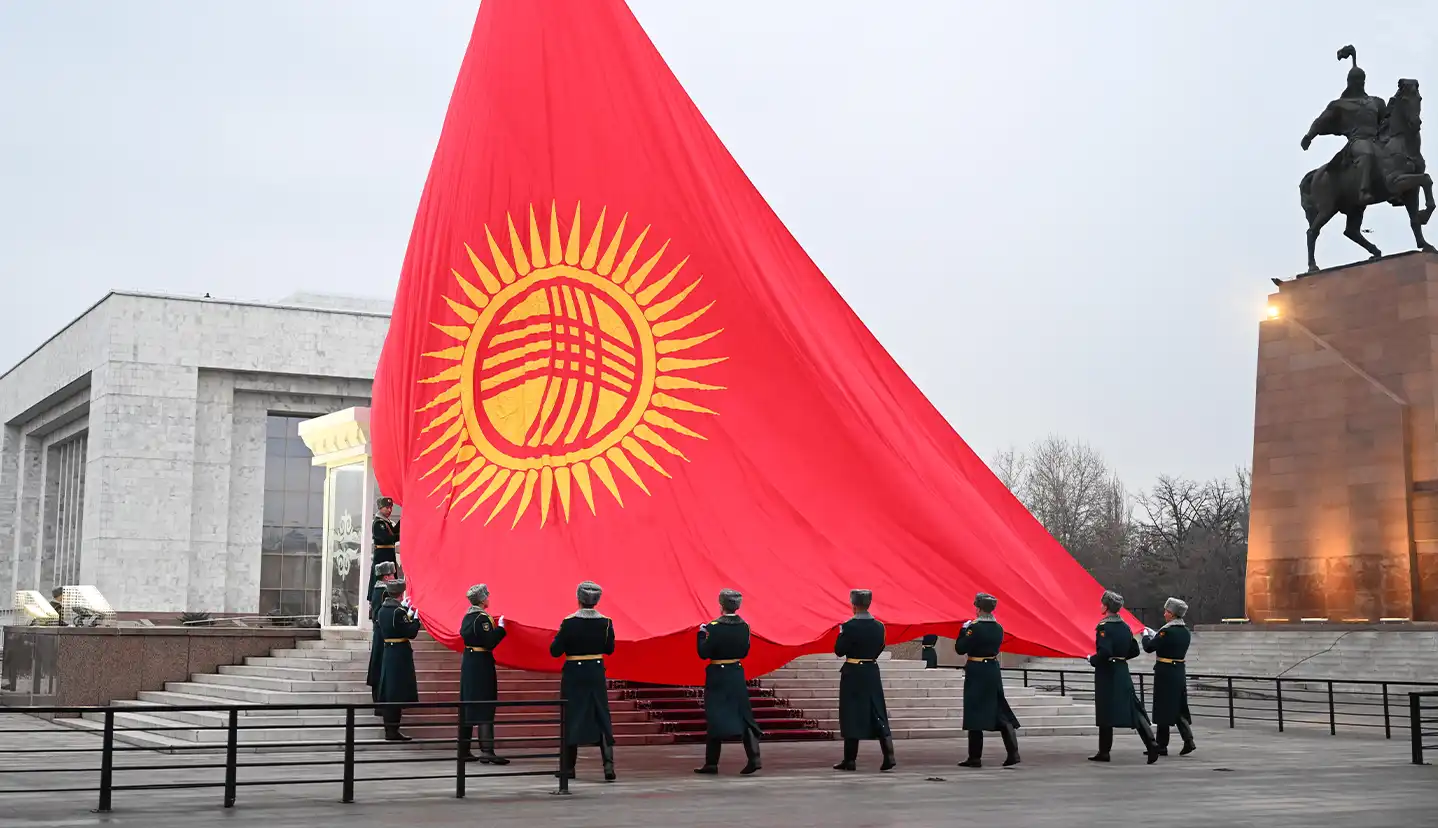
Kyrgyzstan is a country in Central Asia where the majestic Alay and Tien Shan mountains coexist with ancient traditions and a Soviet legacy. After gaining independence in 1991, relative democracy flourished here, but in recent years conservative influences have grown stronger—ranging from Russia’s “anti-propaganda” policy to Wahhabi ideas spreading through mosques and online. In this context, being LGBT means not just facing prejudice, but living in a system where the law does not protect against discrimination—and sometimes even reinforces it. Let’s take a closer look at how legislation shapes our reality.
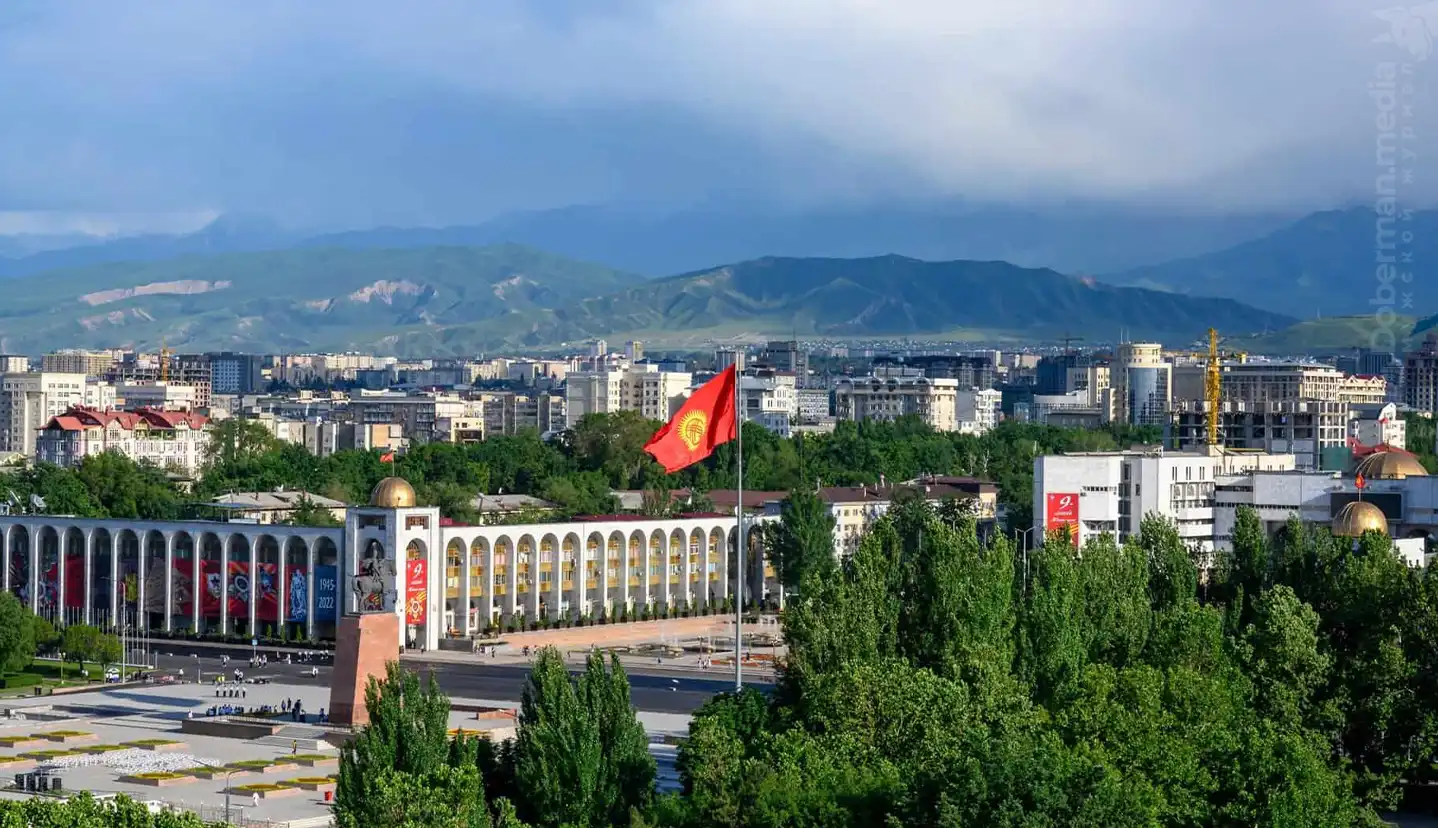
Same-sex relationships have been decriminalized in Kyrgyzstan since 1998—the Criminal Code no longer penalizes them, and the age of consent is 16 for everyone, regardless of sexual orientation. This sounds progressive, but in reality, it’s the bare minimum: The Constitution (since 2016) explicitly prohibits same-sex marriage, and the recognition of civil unions or adoption by LGBT couples is impossible. Transgender people used to be able to change their legal documents after a psychiatric evaluation (without surgery), but in 2020, this right was quietly removed from the Civil Status Acts Law—since then, there has been no official recognition of gender identity.
“The Propaganda Law”
The worst of all is the “propaganda law.” In 2023, parliament adopted amendments to the Code of Administrative Offenses prohibiting the “dissemination of information about non-traditional sexual relationships” among minors—this includes any mention of LGBT topics in the media, schools, or social media. Fines can reach up to 20,000 soms (about 200 €) for individuals, up to 100,000 (about 1 000 €) for legal entities, and a prison sentence for repeat offenses. This is a clone of a 2013 Russian law, but it’s even harsher: it doesn’t just censor, but criminalizes the “positive portrayal” of LGBT people, making education, activism, or even private conversations impossible. In 2024, amendments were made to the Law on Nonprofit Organizations: foreign-funded NGOs engaged in “political activities” (including rights advocacy), must register as “foreign agents” and comply with reporting and labeling requirements—with fines of up to 100,000 som for noncompliance. This law, signed by the president in April 2024, grants the authorities broad powers: ranging from mandatory audits to the suspension of operations without a trial. In October 2024, the UN Vienna Commission ruled that it contradicts the constitution and international obligations, warning of the risk of “stigmatization and destruction” of NGOs.
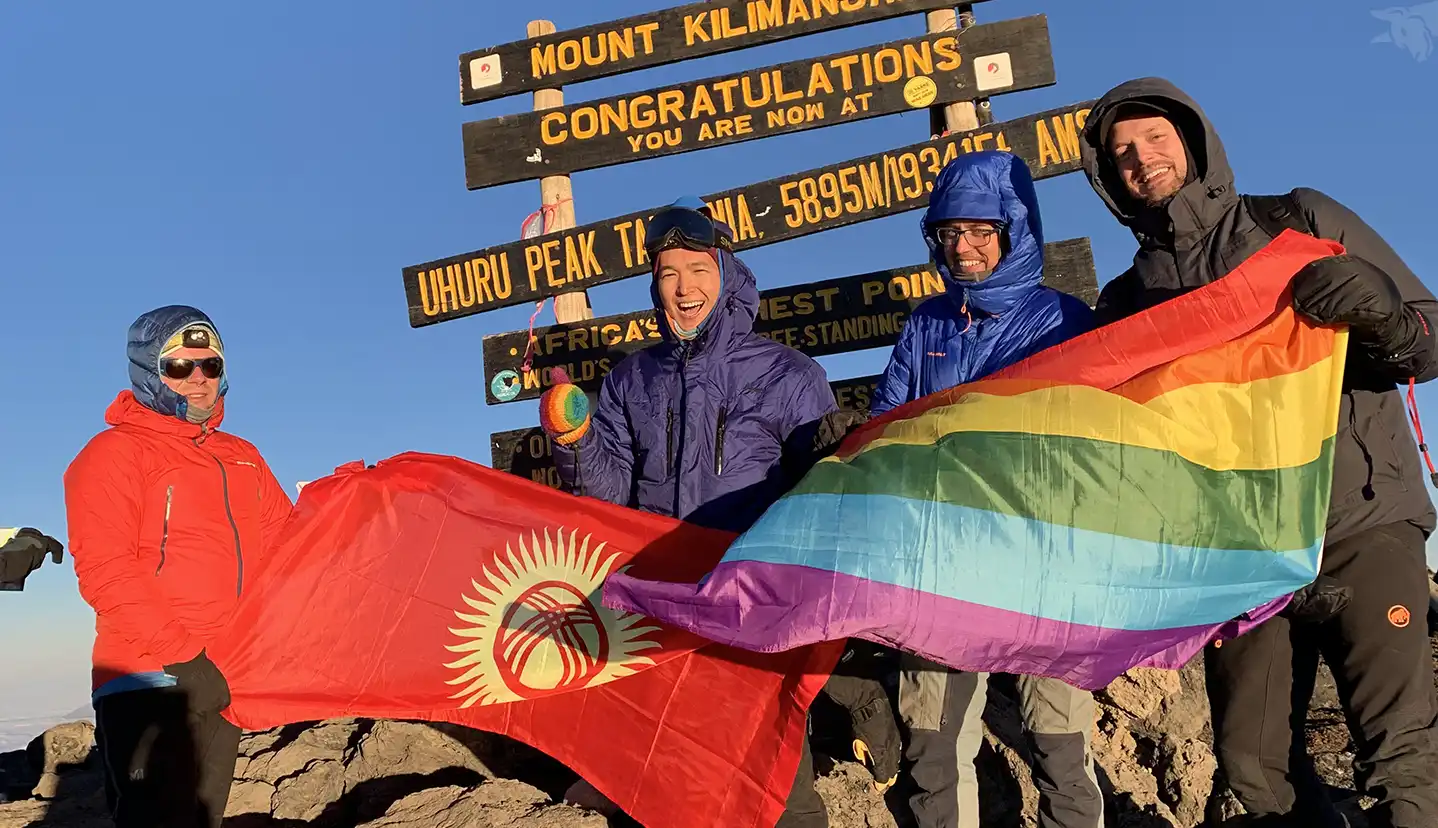
There is zero protection against discrimination. Neither the Labor Code, nor housing laws, nor anti-discrimination regulations make any mention of sexual orientation or gender identity. Hate crimes are not investigated as such, and the police themselves are often involved in blackmailing and abusing LGBT people—ranging from extortion to torture. International obligations (Кыргызстан ратифицировал Пакт о гражданских и политических правах) are ignored, and the Constitution, which guarantees freedom of speech and assembly, does not work for us in practice.
These laws directly target LGBT organizations. Law enforcement agencies, citing “anti-propaganda” and “foreign agents,” are conducting raids, surveillance, and detentions of activists under the pretext of “protecting moral values.” Many NGOs are forced to go underground: they must stop holding public events, work only in private chat rooms, or shut down their operations entirely to avoid fines or dissolution. For example, after 2023, organizations such as Labrys and Kyrgyz Indigo scaled back their educational programs and support for victims of violence, and surveillance of their offices and staff became the norm. A double blow came in 2025, when the U.S., under new leadership (including the influence of Project 2025), drastically cut support for LGBT initiatives through USAID. USAID canceled contracts worth millions of dollars aimed at promoting human rights and equality in Central Asia, including Kyrgyzstan—this affected programs to combat discrimination and support NGOs. As a result, many organizations lost a key donor: shelters closed, hotlines were shut down, and activists were left without resources for legal aid.
According to human rights activists, at least a dozen small LGBT initiatives in Kyrgyzstan have closed down as a result of these cuts, and those that have survived are teetering on the brink, relying on local donations or risking going underground.
In this legal vacuum, every day is a test of endurance—invisible, yet relentless. Here, private life has long ceased to be private. “Who do you live with?” “Who do you love?” “Who do you sleep with?”—these are questions people ask you without the slightest hesitation, as if you were obligated to report to everyone you meet. For everyone else, intimacy is their own business. For us, it’s public knowledge.
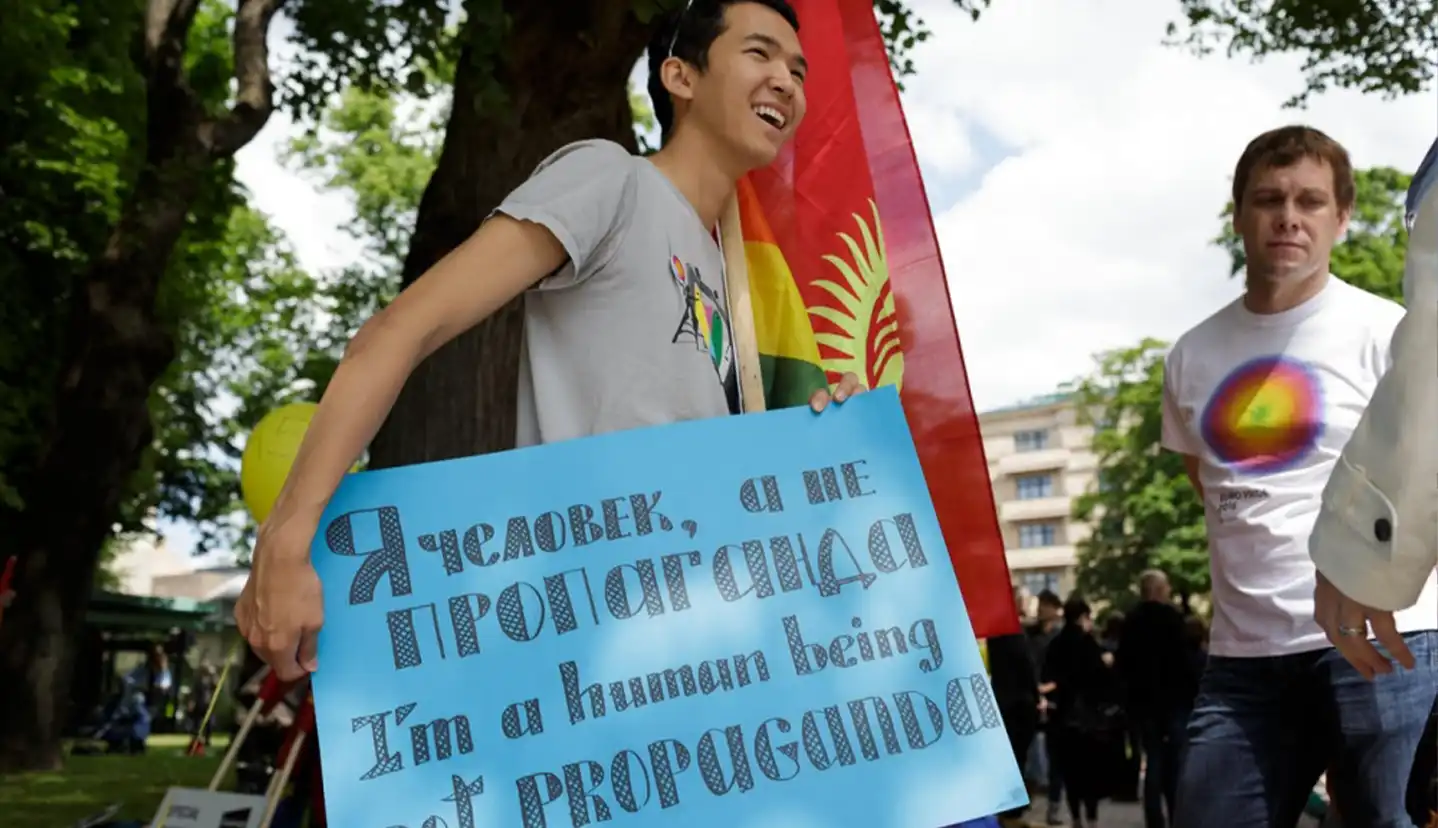
Homophobia doesn’t hide. It’s in the jokes told around the dinner table, in a taxi driver’s remarks, in voice messages from coworkers, in the comments under any post. Sometimes it hits you right in the face, without warning. And you learn to live with your internal radar constantly on: weighing every word, watching your gestures, tone of voice, and clothing. So you don’t give yourself away. So you don’t give them a reason. And now, with “anti-propaganda,” even the slightest hint of discussion can cost you your freedom.
Most people choose to play the role of the "invisible one"
Most people choose to play the role of the "invisible one." Blend into the crowd, become a wallflower—and maybe you’ll get by. This works exactly until someone decides that you’re “too different” after all. And then it escalates—from sidelong glances and mockery to outright threats. The law is silent. The police are more often on the side of those who shout the loudest. Society as a whole simply looks the other way.
The hardest part isn't even the fear. The hardest part is the exhaustion. The exhaustion of constantly having to prove that you’re human. The exhaustion of explaining that you don’t choose love. The exhaustion of pretending to be someone else just to survive. And the exhaustion of laws that, instead of protecting you, turn you into an outcast.
That’s why, at some point, many people stop hoping for change here and start dreaming of leaving. Not because they’ve fallen out of love with Kyrgyzstan, but because they want something simple: to wake up in the morning without having to wonder whether it’s safe to be themselves today.
For now, we’re just getting by. We secretly support each other in chat rooms and through private messages. Because being LGBT in this country also means being part of a small but incredibly strong invisible brotherhood.
We won't give up.
We're just really, really tired.
If you, too, are living “in the shadows”—know this: you’re not alone.
Somewhere nearby, there are people who will understand you without a single word.




0 comments
Enter your email and we will send you a one-time code. No passwords, no accounts.
Code sent to
If the email does not arrive in your inbox within a few minutes, check your Spam, Junk or Promotions folder — some mail services may wrongly place automated messages there.