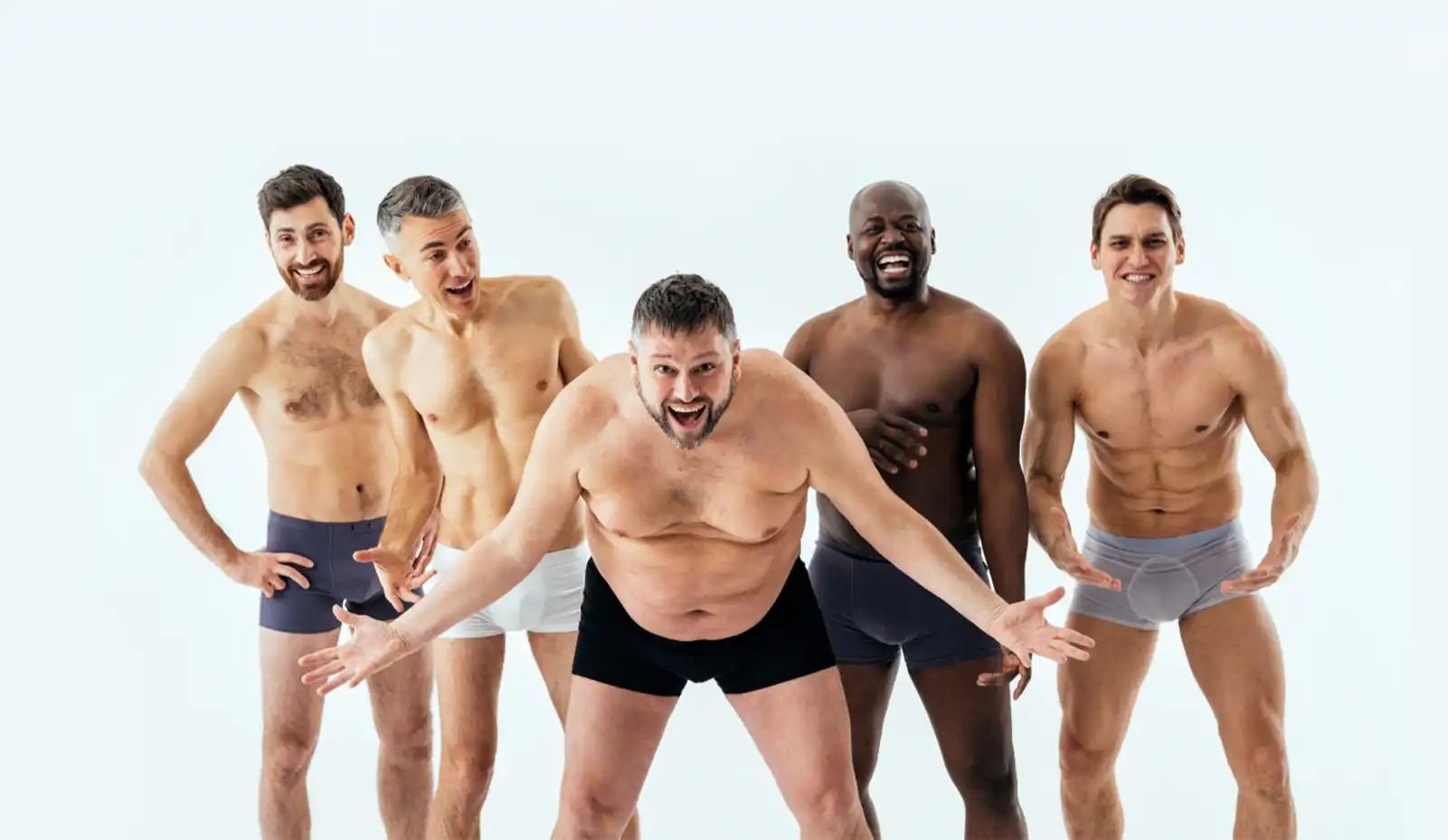

Open any gay app—and within a couple of minutes, the usual slogans jump out at you: “no fats, no fems,” “athletes only,” “no bellies,” “30+—don’t waste my time.” It’s become so commonplace that no one even bats an eye anymore. But we should. Because more often than not, it’s not an external enemy, not some hypothetical “straights,” but us right here within our own community.
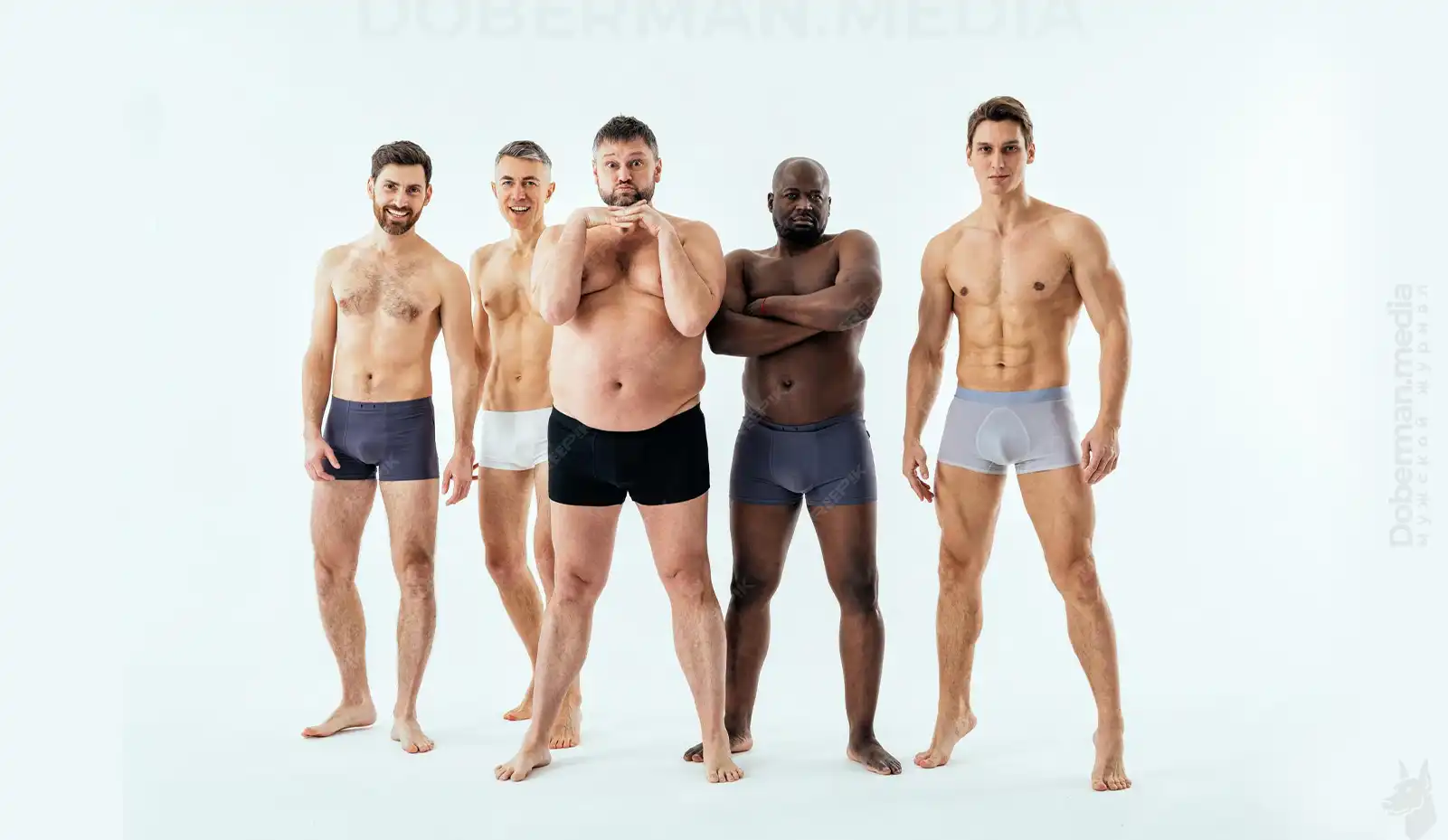
We’ve all grown up within a single visual template: the ideal gay man is young, athletic, smooth, and chiseled—as if assembled according to instructions. Social media, porn, and fitness culture—they all push in the same direction. And in a small community, it’s easier to play “sorting games” than to try to see something real in a person. Added to this is an old pain: many hid for a long time, living a life that wasn’t their own—and now they want to compensate for that by seeking “perfection” in both their partner and themselves.
This mix gives rise to familiar scenarios: some people are afraid to go on a date until they “lose weight,” some people exhaust themselves with endless workouts because they “have to measure up,” and others hide their bodies behind filters so no one will see the “real” them. And often, the person who was once looked down upon ends up writing on their profile the very next day: “Fat people need not apply”—just so they don’t end up at the bottom of someone else’s hierarchy.
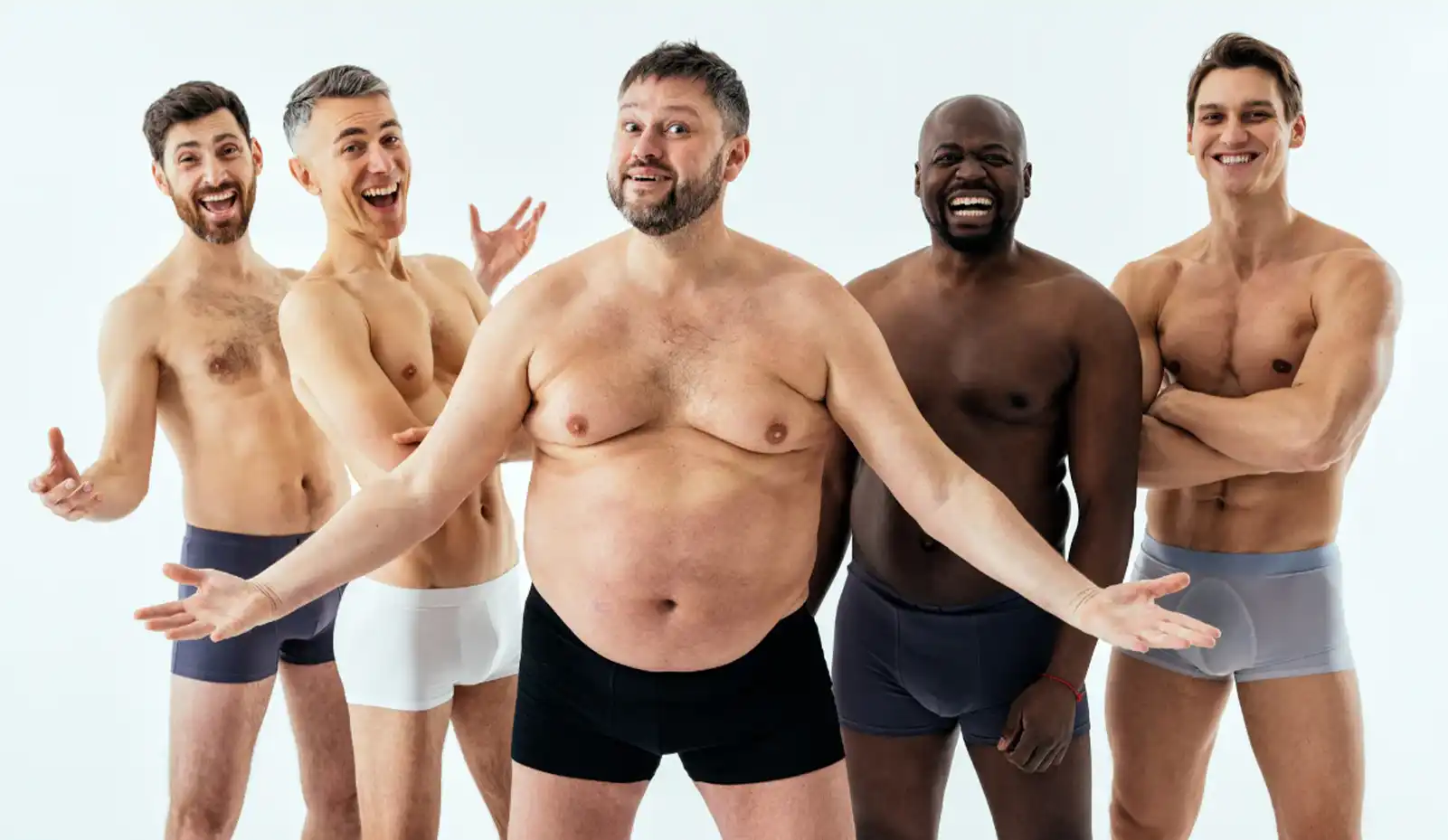
That said, there’s an important point that almost no one talks about: preferences are normal. Not everyone likes the same things. Some people are into skinny guys, some into muscular guys, and some into athletic guys. Some people like people their own age, some like older people, and some like younger people. That’s okay. Taste is taste. And you don’t have to be liked by anyone, just as no one has to be liked by you.
The problem doesn’t start when a person has preferences, but when they turn those preferences into demands and insults. There’s a huge difference between “I prefer athletic guys” and “fat people need not apply.” Between “I’m looking for someone around my age” and “30+ banned.” The first is honesty; the second is aggression. The wording we use creates an atmosphere—either supportive or cruel.
It’s much healthier to talk about what you like rather than listing who you’re “not allowed” to be with. This eases the tension and keeps the conversation from turning into an audition. And, for that matter, every body changes. Today you have a six-pack; tomorrow, stress, a move, winter—and you’re already a different person. It would be nice to live in a community where you wouldn’t be pushed aside for that.
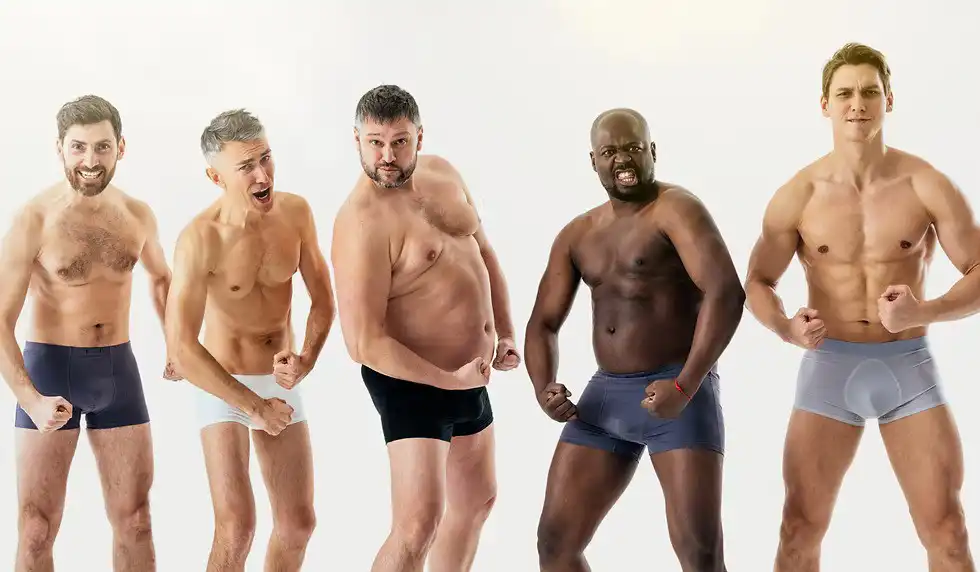
It doesn't take heroism to break the vicious cycle. Just don't argue with aggressive people—block them, report them, and move on. Build your profile around what you’re looking for, not around who “doesn’t fit.” And if you can, support those who are usually overlooked. Sometimes a simple compliment or a “like” can make someone feel valued.
We can be kinder to one another. And that doesn’t mean “loving everyone indiscriminately” or changing our tastes—it’s simply about respect and creating a space where no one feels like a misfit.
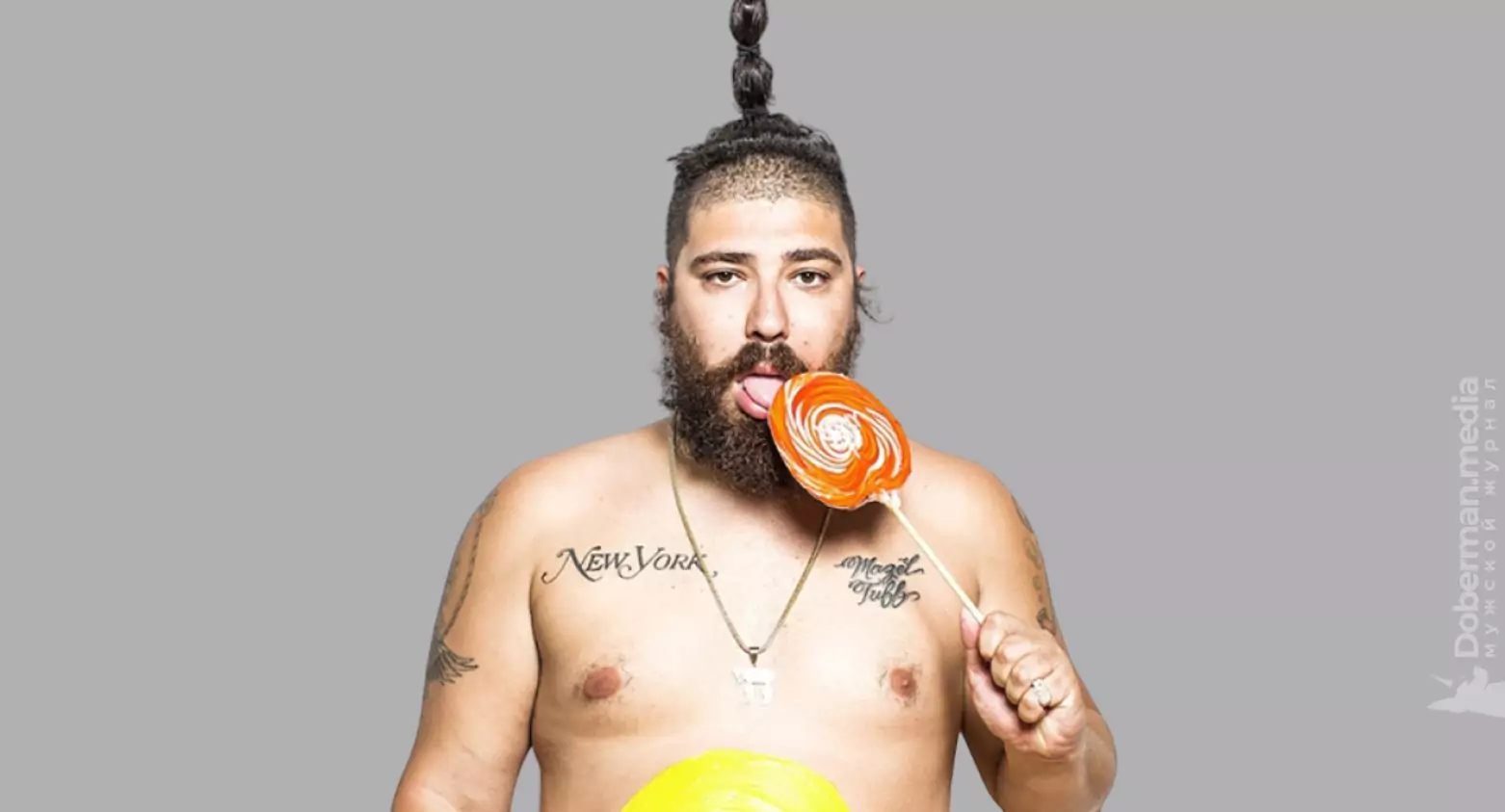
▲ Josh Ostrovsky, better known by his nickname The Fat Jew. Ostrovsky poses for tattoo magazines, appears in music videos by American rock bands, and has recently taken an interest in the fashion industry: he’s working with the agency One Management, appearing on the red carpet at the CFDA Fashion Awards, and organizing a fashion show for “deadbods” at New York Fashion Week.
Have you ever experienced body shaming? And how do you express your preferences—delicately or bluntly? Write on our Telegram channel—I'd be interested to find out.








0 comments
Enter your email and we will send you a one-time code. No passwords, no accounts.
Code sent to
If the email does not arrive in your inbox within a few minutes, check your Spam, Junk or Promotions folder — some mail services may wrongly place automated messages there.