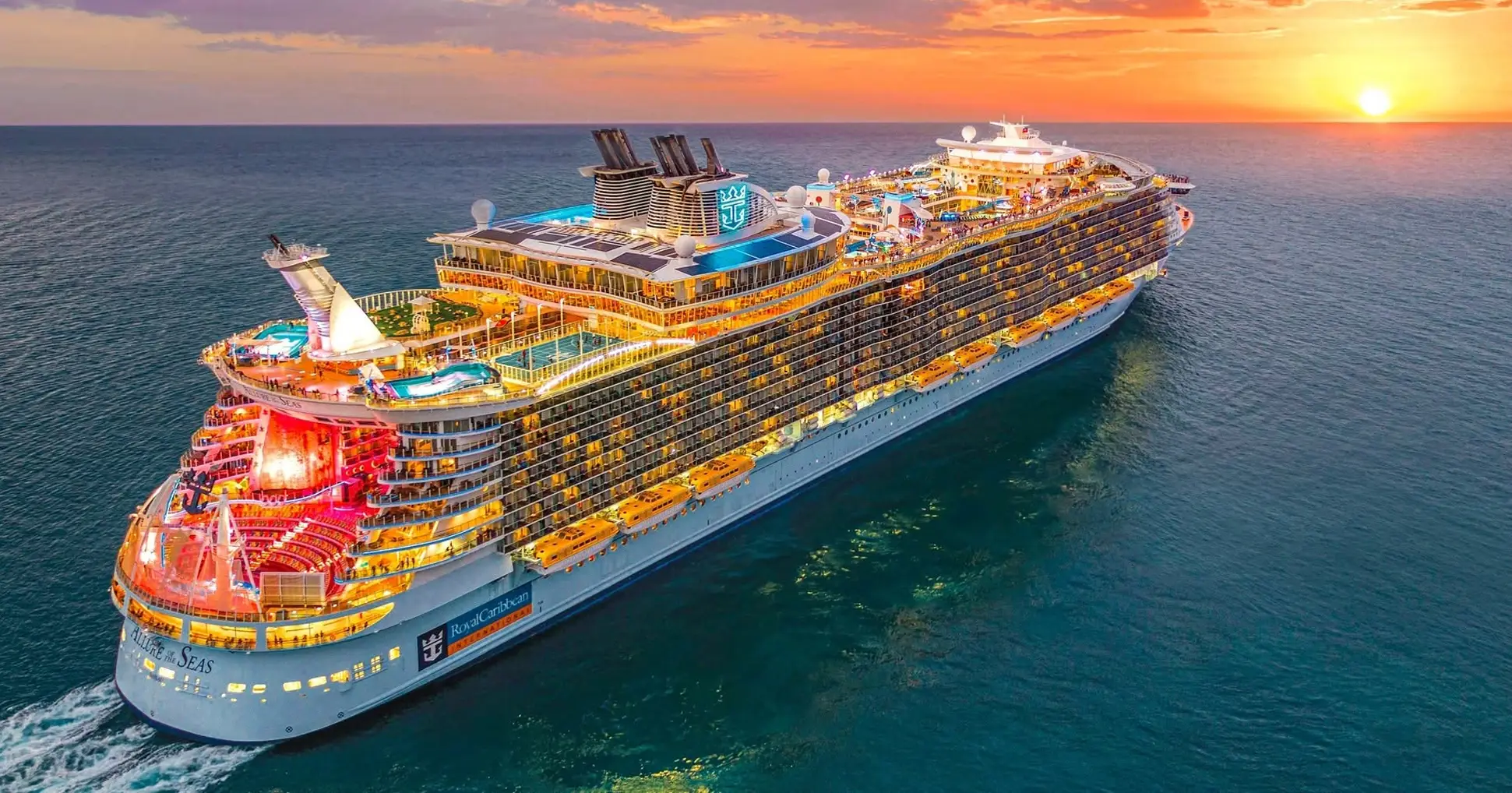

In July 2026, the liner Scarlet Lady, which had around 1,900 LGBTQ+ passengers on board, faced unprecedented refusals from Turkey and Egypt. This is the first time in the 36 years of operation of the largest queer tour operator that the vessel was turned around solely because of the identity of the guests.
Here are the answers to the top questions about this incident.
1. What kind of cruise was it and who sailed on it?
The Scarlet Lady liner is owned by the company Virgin Voyages Richard Branson. This vessel is considered one of the most queer-friendly in the world, with gender-neutral toilets and drag queens. The entire liner was chartered by a tour operator Atlantis Events, who has specialized in LGBTQ+ travel for 36 years.
There were about 1900 passengers, mainly citizens of the United States, Canada, Great Britain and Australia. Among the guests was a Broadway legend Patti LuPoné, invited as a performer. The cruise started from Athens and was supposed to finish in Venice, passing through Istanbul and Alexandria.
2. Why was Turkey the first to refuse?
The administration of Aydin province (which includes the port of Kusadasi) said that the behavior of passengers "does not correspond to the moral values of Turkish society". The reason was a publication in the conservative press that a party was being prepared for the cruise participants in one of the gay bars in Istanbul.
As a result, the authorities not only closed the ports for the liner, but also stopped the work of the bar itself under the pretext of some "violations". Atlantis Events CEO Rich Campbell called it unprecedented case: In 36 years of work, the company has never received a refusal precisely because of the identity of the guests.
3. But is homosexuality prohibited in Turkey?
Formally, no, it has been legal since 1858. However, human rights activists speak of a "decade of systemic retreat." If in 2013-2014 the Istanbul pride gathered up to 100 thousand people, then since 2015 it has been harshly dispersed with water cannons and tear gas.
President Recep Tayyip Erdogan publicly calls LGBTQ+ activism a "scourge" and a "perversion". Authorities use vague "obscenity" and "family protection" laws to prosecute people without directly repealing the law. For example, in April 2026, activists were put on trial for publishing photos of same-sex couples kissing.
4. What happened in Egypt?
Egypt closed its waters on the morning of July 9 without official explanation. This came as a shock to the organizers, as in 2025 a similar cruise passed along this route without any problems.
Unlike Turkey, where rejection was ideologically articulated, Egypt acted silently. This fits into the general logic of the Egyptian authorities: after 2013, the average number of arrests on the basis of sexual orientation there increased fivefold.
5. How dangerous is it to be a queer person in Egypt?
Very dangerous. Since 2001 (the Queen's Boat case), the authorities have been using the law on "lewd acts" for mass repression.
- Digital Surveillance: The security forces create fake profiles in Grindr and Hornet to lure and arrest users.
- Torture: Human rights activists record cases of the use of "anal examinations", recognized by the international community as a form of violence.
- Border control: Even at regular concerts (such as the Red Hot Chili Peppers in 2019), security checks patrons for "gay flags."
6. How did the cruise participants react?
The route had to be changed twice in a week. Instead of Alexandria and Istanbul, the ship headed to Montenegro and Croatia. Patti LuPoné stated that she "Enraged". Many passengers note that the organizers (Atlantis and Virgin) are not to blame - the reason is solely in the policy of the host countries.
7. Why is this decision economically unprofitable for Turkey and Egypt?
LGBTQ+ tourism is a high-income segment. These travelers are loyal to brands and are willing to spend more than average on vacation. Turkey and Egypt have been making money on such cruises for years, but now the political agenda has outweighed the economic benefits.
As noted by the co-founder of rival company VACAYA, Randle Roper, the situation looks ridiculous, since these ports have received queer tourists for decades without problems.
8. What does this story change for the future of tourism?
Previously, repressions in these countries concerned mainly local residents. Now the logic of persecution has spread to foreign guests. This is a game-changer for the entire industry:
- Political risks: Charter organizers will now have to factor the political climate in the country into the itinerary plan in the same way as the weather forecast.
- Market redistribution: Queer tourism will shift towards more predictable and friendly countries, such as Greece, Croatia and Spain.
- Conscious boycott: More and more travelers say they will avoid countries where their identity can become a subject of political bargaining.






0 comments
Enter your email and we will send you a one-time code. No passwords or accounts.
Code sent to
If the email doesn't appear in your inbox within a few minutes, check your spam, junk, or promotions folder, as some email services may mistakenly place automated messages there