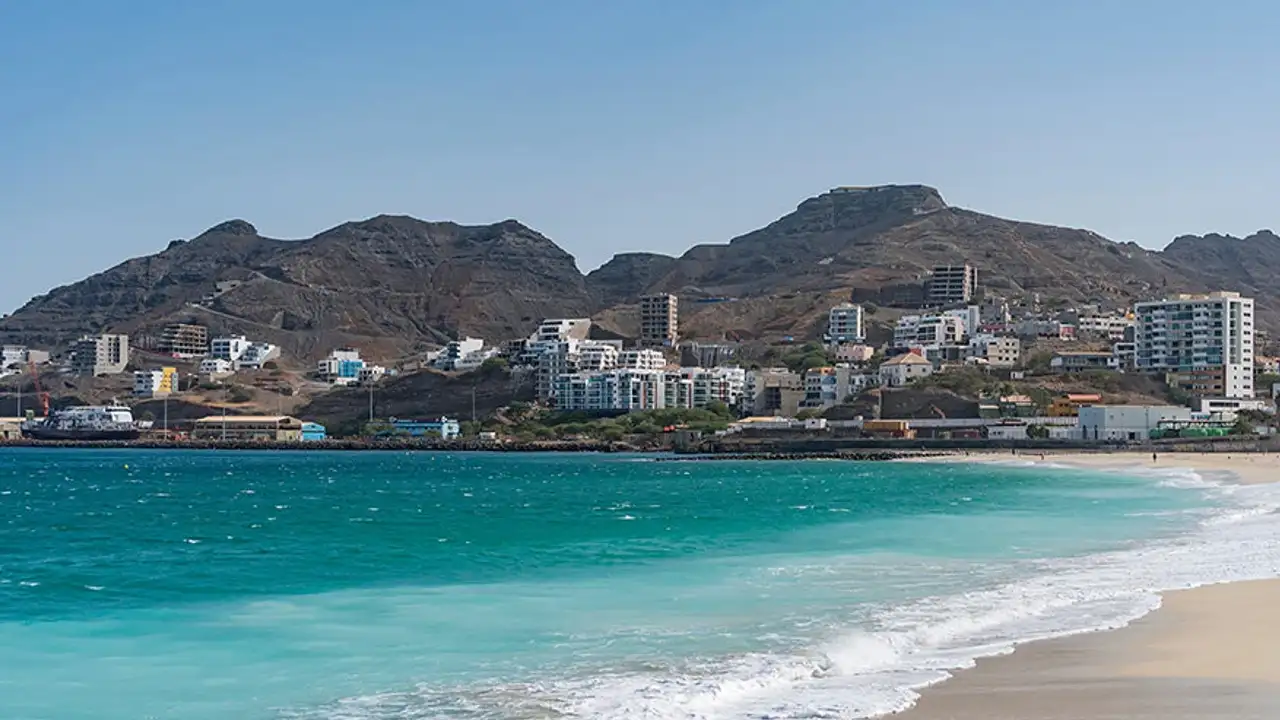

While the situation of the LGBT community remains extremely difficult in most African countries, and in some states the death penalty is threatened for same-sex relations, the small island state of Cape Verde has turned into a unique "reserve" of rights and freedoms. According to the latest index Equaldex, this archipelago is recognized as the friendliest place on the continent for LGBTQ+ people.
EuroNews told In his report, how life in the "African paradise" works and why public opinion there turned out to be more progressive than the laws. Doberman.media retells the main points.
In 31st place in the world (above the UK)
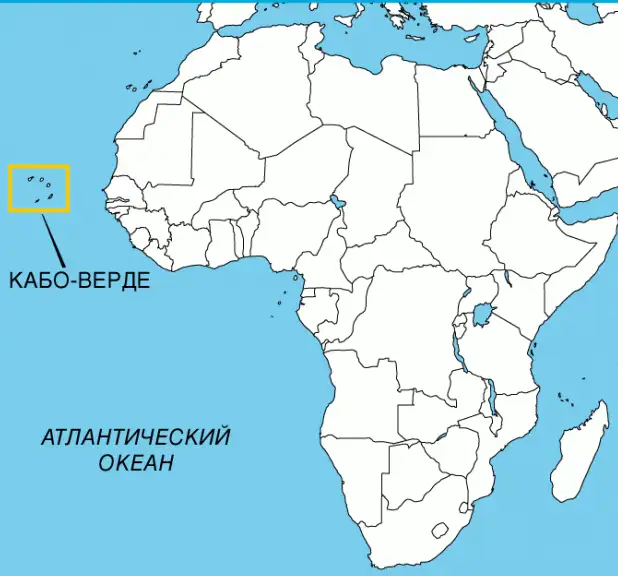
Cape Verde, located 600 kilometers off the coast of Africa, today tops the Equaldex ranking among all countries on the continent. In the global standings, the country scored 68 points out of 100, taking 31st place, this is higher than the indicators of countries such as UK & USA.
The situation in Cape Verde is unique to the region:
- In 2004, decriminalized homosexuality, repealing laws that had been in place for more than a century.
- At the same time, the age of consent for same-sex and opposite-sex couples was equalized.
- Since 2008, discrimination in employment on the basis of sexual orientation has been prohibited by law.
- Since 2015, crimes committed on the basis of hatred towards sexual orientation or gender identity have been considered an aggravating circumstance in the Criminal Code.
Society is kinder than the law
Usually, in matters of human rights, legislation is ahead of public opinion (as, for example, in South Africa, where the legal index of protection of rights is higher than the level of their real support in society). In Cape Verde, it is the opposite: it is the country with the largest "positive gap" on the continent.
With a legal defense index of 55 points, the level of of public support for LGBT people reaches 80%. This means that the inhabitants of the archipelago are in reality much more tolerant than the state requires.
"Do you want to work? Dress up as a man"
Despite the status of "paradise", the life of the community on the islands cannot be called cloudless. Teacher and actor Walter Pires, who participates in the play about the life of trans women "Font Flip is Burning", notes that behind today's freedom there is "hard work".
The main problem remains the world of work and the legal recognition of gender:
- Trans people are regularly denied jobs. Employers in stores often set a condition: "Do you want to work? Dress up as a man and come."
- Legal impasse. In Cape Verde, it is still not possible to legally change gender on documents, and non-binary gender identities are not recognized in any way.
- The family is banned. Same-sex marriages and adoption of children by such couples are still prohibited by law.
Context: What's happening in the rest of Africa
Against the background of Cape Verde, the rest of the continent looks extremely conservative and dangerous for the LGBT community.
- Criminal Prosecution: About 30 African countries Same-sex relationships are still considered a crime.
- Life Sentence: Such a punishment is provided for in the Gambia, Sudan, Tanzania and Zambia.
- Death penalty: In Somalia and Uganda, you can lose your life for same-sex relations.
- Zero tolerance: The worst indicators in the world were recorded in Somalia - the country received 0 points in the equality index.
As Valter Pires says, society in Cape Verde is gradually opening up, but there is still a "long way to go" for legal reality to catch up with human relations.






0 comments
Enter your email and we will send you a one-time code. No passwords or accounts.
Code sent to
If the email doesn't appear in your inbox within a few minutes, check your spam, junk, or promotions folder, as some email services may mistakenly place automated messages there