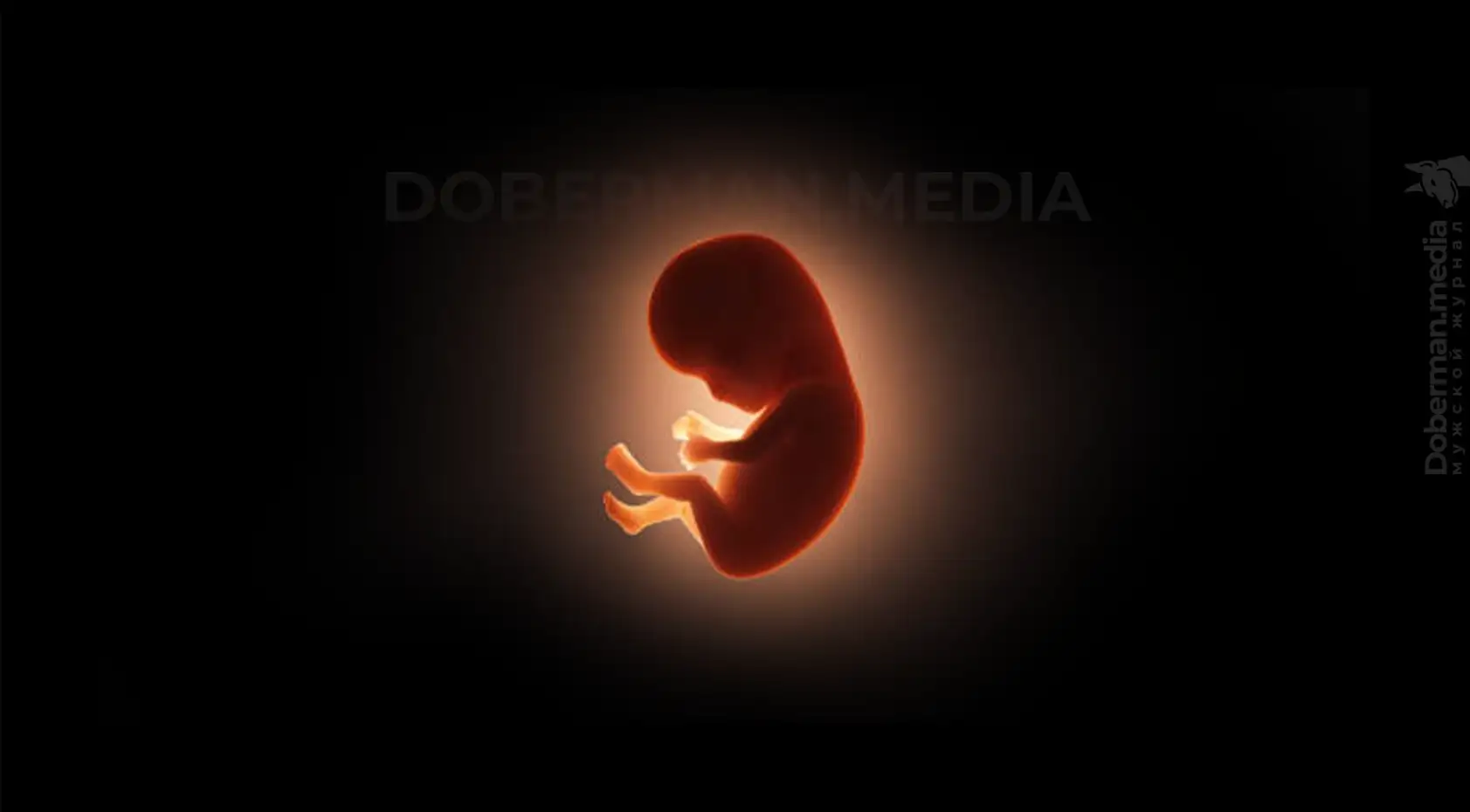

American scientists have announced a breakthrough in reproductive technology that is radically changing our understanding of conception. It turns out that women's eggs are no longer needed to create viable human embryos.
A team of scientists from Oregon Health & Science University (OHSU) in Portland, U.S., has made progress in the technology for transforming human skin cells into egg cells and then into early-stage embryos. Below is a summary and key limitations.
Scientists took a nucleus from an adult human skin cell and transplanted it into a donor egg cell from which the original nucleus had been removed. OHSU News After activation, this “reconstructed” oocyte was fertilized by a sperm (via IVF). Live Science In total, there were 82 such egg cells, and about 9 % Of these, some reached the blastocyst stage (approximately 6 days of development) in the laboratory. The study was published as a “proof-of-concept,” and it is emphasized that clinical application is still a long way off. STAT
How it works
The essence of the discovery is as follows: Scientists placed DNA from skin cells (which contains 23 chromosomes) in donor egg. This “new” egg was then fertilized through IVF, with 23 chromosomes from the sperm added. The result was a complete set of chromosomes necessary for embryo formation.
According to the researchers, this process can proceed without the involvement of a single female cell (in terms of genetic contribution), which challenges our conventional understanding how a human being should be created. During the experiment, embryos were created whose genetic material consisted, in essence, solely of male DNA (DNA from a skin cell and DNA from a sperm cell).
Enormous consequences
The implications of this discovery are truly enormous. First, the technology paves the way for Anyone will be able to have children, regardless of whether they have their own eggs. This means that two men could, in theory, have children without the involvement of female DNA. Second, this technology can help women who are unable to conceive by providing them with the necessary number of eggs.
An Ethical Issue and 82 Destroyed Embryos
Scientists have been able to modify human DNA since the 1990s, but until now they have not been able to do so with reproductive cells.
As part of this study, in which researchers succeeded in getting skin cells to behave like egg cells, scientists created 82 embryos. However, not all of them proved suitable for further development: only 9% have reached the stage suitable for embryo transfer during IVF.
In accordance with ethical guidelines, none of these embryos were transferred to a human, and They were all destroyed.
Thus, 82 genetically unique individuals who never existed were created in this study.
⚠️ What You Need to Know / Limitations
The publications emphasize that more is needed a decade of research, before the technology can be safe and effective. Axios
Although the technology makes it possible to create an egg cell from a skin cell, She's not ready yet. For practical application in humans, the results are far from consistent. STAT
Most of the embryos had chromosomal abnormalities: either extra or missing chromosomes, or an abnormal distribution. / The Guardian So far, no embryo has been transferred to a human uterus, and no child has been born—everything remains at the laboratory stage. WIRED








0 comments
Enter your email and we will send you a one-time code. No passwords or accounts.
Code sent to
If the email doesn't appear in your inbox within a few minutes, check your spam, junk, or promotions folder, as some email services may mistakenly place automated messages there