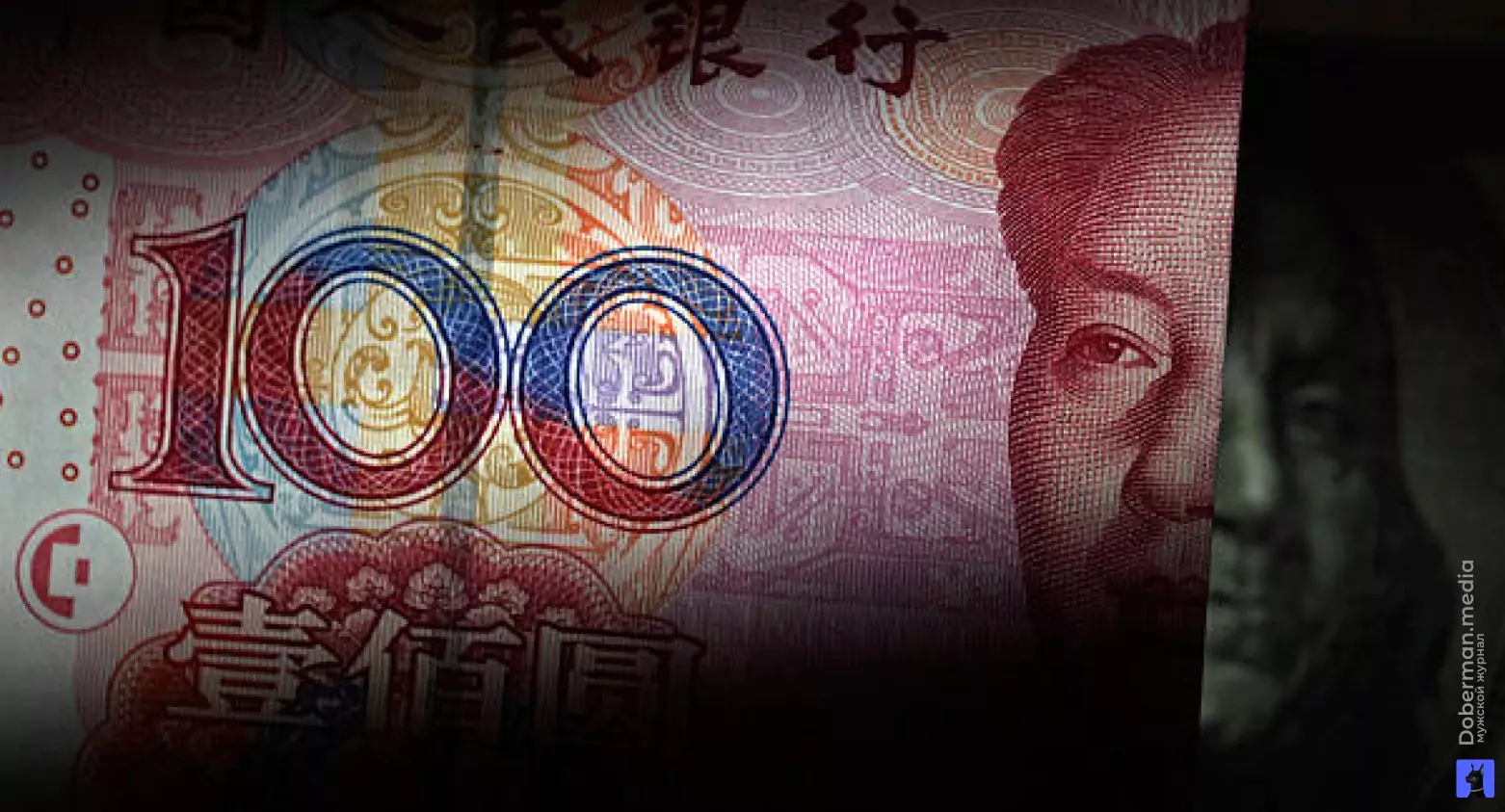

After the imposition of US sanctions, the Moscow Exchange (Moscow Exchange) announced suspension of trading in the dollar and euro, which caused many questions and concerns among Russian citizens and businesses. The UK, following the United States, also imposed sanctions against the Moscow Exchange.
Is the yuan now the only currency quoted on the Moscow Exchange?
After the imposition of sanctions by the US Treasury, it is no longer possible to trade the dollar and euro on the Russian exchange. This left the yuan as one of the few currencies available for trading. Despite this, the yuan has not become the only currency on the Moscow Exchange - others are still quoted, but its importance has increased significantly. The Central Bank of Russia and financial institutions are adapting to the new conditions, providing citizens and businesses with the opportunity to work with the Chinese currency.
Why did the yuan become an alternative to the dollar?
With limited access to the dollar and the euro, choosing the renminbi as an alternative was a logical step. China is Russia's largest trading partner, and the stability of economic relations between the two countries strengthens the yuan's position. Moreover, Beijing is actively promoting its currency in the international arena, concluding agreements with various countries on direct settlements in yuan.
Is the popularity of the yuan good or bad?
The popularity of the yuan has both pros and cons. On the one hand, it allows Russia to diversify its foreign exchange reserves and reduce its dependence on Western financial systems. It also opens up new opportunities for trade and investment in Asia. On the other hand, high dependence on the renminbi could lead to risks related to China's policies and fluctuations in the renminbi's exchange rate.
Is the yuan a reliable currency?
The yuan is a relatively reliable currency, especially in the context of stable relations between Russia and China. The Chinese economy is showing steady growth, and Beijing is actively controlling the exchange rate of its currency to avoid sharp fluctuations. However, like any other currency, the yuan is not immune to risks. External factors, such as trade wars or changes in China's economic policy, can affect its stability.
Are there any risks of sanctions against the yuan?
At the moment, sanctions against the yuan seem unlikely, as China occupies an important place in the global economy. However, geopolitical tensions can change the situation. It is important to monitor the international situation and China's policies to assess potential risks.
Are Russians ready to buy the yuan instead of the dollar for savings?
The situation in the foreign exchange market is forcing Russians to look for alternatives to the dollar and euro. The yuan has become one of these alternatives. Banks offer accounts and deposits in yuan, and interest in them is gradually growing. However, the habit of keeping savings in dollars and euros is still strong, and the transition to the yuan takes time. An important role here is played by the financial literacy of the population and trust in the Chinese currency.
What does the yuan exchange rate depend on?
The yuan exchange rate depends on many factors, including China's economic policy, the state of the global economy, trade relations, and geopolitical events. The Chinese Central Bank actively regulates the yuan, which makes it less susceptible to sharp fluctuations. However, global economic trends and China's domestic economic performance remain key factors affecting its value.
In conclusion, the yuan is becoming an increasingly important currency for Russians in the face of sanctions and limited access to the dollar and euro. This opens up new opportunities, but requires a careful approach and consideration of all possible risks. Savings in yuan can be safe, but it is important to monitor the development of the international situation and China's economic policy.









0 comments
Enter your email — we’ll send you a one-time code. No passwords or accounts.
Code sent to
If the email doesn't appear in your inbox within a few minutes, check your spam, junk, or promotions folder, as some email services may mistakenly place automated messages there