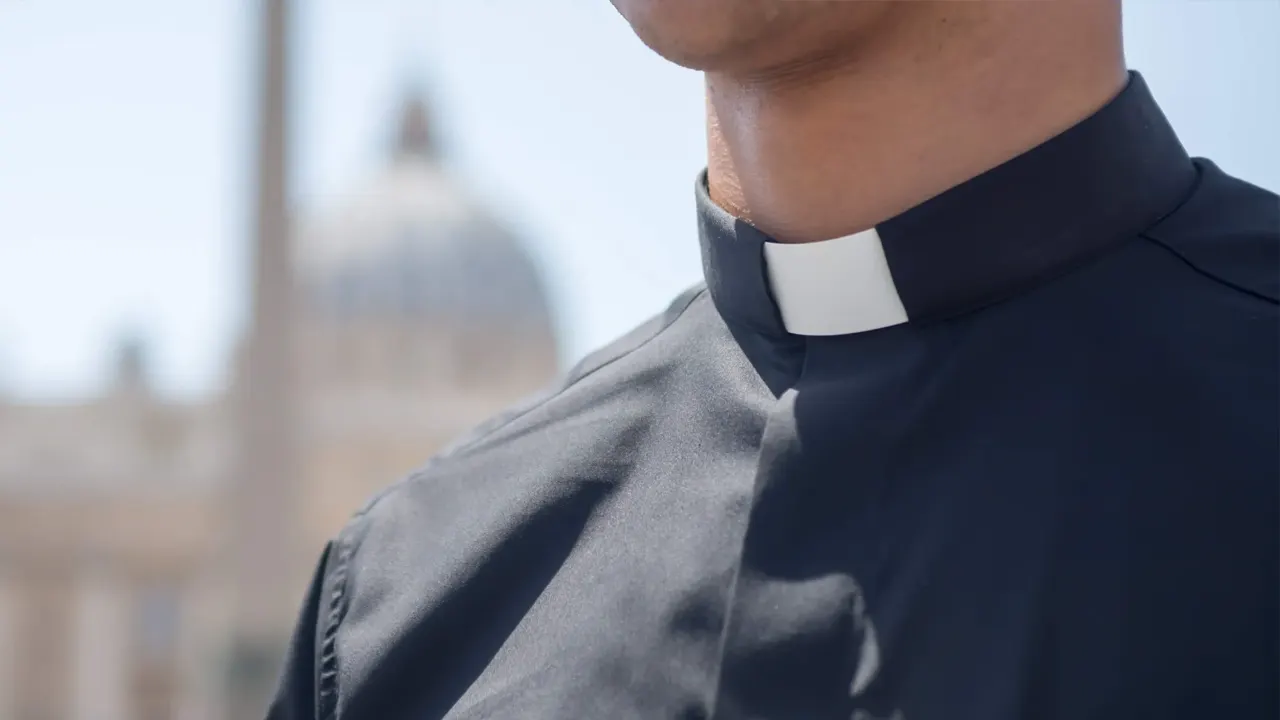

The McGrath Institute for Church Life at the University of Notre Dame published a report entitled “Do You Know If They Are Worthy?”, which proposes new guidelines for evaluating candidates for the priesthood. Particular attention has been drawn to recommendations No. 11 and No. 12, which effectively call into question the suitability of gay men for ministry and create an atmosphere of suspicion around them.
In mid-July, a document was presented containing 12 recommendations for bishops and seminary rectors on evaluating the “suitability” of men for ordination. Francis DeBernardo of New Ways Ministry notes that the report portrays gay men in a negative light, which could heighten fear and discourage genuine vocations and deprive the Church of many new priests.
The problem lies not only in the formal assessments, but also in the authors' very approach:
- Sexualization of identity: Topics concerning gay men are placed in the section “Formation in Chastity and Celibacy.” This implies that homosexuality is viewed exclusively through the lens of sex and that gay men's main problem is supposedly their tendency to violate celibacy.
- Double standards: The report assumes that heterosexual men are inherently capable of integrating their sexuality in a healthy way, while gay men are not, even though sexual addiction occurs equally among all groups.
- Lack of dialogue: In preparing the report the experts did not consult gay priests themselves, who understand their own experiences better than anyone else. Instead, their lives are described through the complex theological abstractions of the Magisterium.
According to DeBernardo, the main challenge for gay priests is not celibacy, but the need to hide who they are.
- Being forced to live “in the closet” leads to loneliness, isolation, and psychological trauma.
- The cause of these problems is not homosexual identity itself, but homophobic policies and structures, which prevent people from living honest and authentic lives.
- The climate of fear created by such reports gives rise to the very psychological problems the church is trying to avoid.
Had the authors of the report spoken with members of the LGBT community within the church, they would have discovered that, after years of exclusion and self-doubt, these people possess tremendous courage and a profound understanding of God’s love.
Without gay men in the priesthood and episcopate, the Catholic Church would be significantly weakened. Instead of marginalizing them and treating them with suspicion, church leaders should gratefully acknowledge their invaluable contribution to spreading the Gospel.






0 comments
Enter your email — we’ll send you a one-time code. No passwords or accounts.
Code sent to
If the email doesn't appear in your inbox within a few minutes, check your spam, junk, or promotions folder, as some email services may mistakenly place automated messages there