

In late July, a new civic movement called “National Generation” announced its formation in Georgia, proclaiming its goal to be an “immediate response” to any insults against national traditions, religion, and history. Human rights defenders and civil society fear that a street-level “morality police” acting in the authorities’ interests is taking shape in the country.
At a reader’s request, “Doberman Media” explains what is known about this organization and how it fits into Georgian politics’ conservative turn.
Table of Contents
What is this movement, and who leads it?
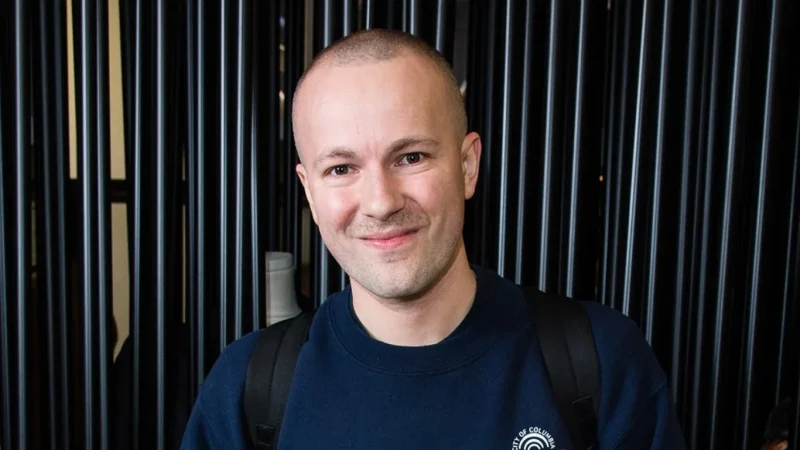
The organization was founded by mixed martial arts (MMA) fighter Giorgi Kartvelishvili. According to him, the movement will defend Georgia’s “traditional values” and culture. Yet the methods it will use remain unclear: Kartvelishvili promised to “respond immediately” to anything he considers offensive and stressed that the group’s members are prepared to take responsibility for their actions and even “go to prison.”
The first incidents: the beating of a comedian
The question of what exactly an “immediate response” means became particularly urgent after comedian Onise Okriashvili was attacked. On July 22, he was brutally beaten outside his home in Tbilisi. The incident was preceded by a campaign in pro-government media outlets, which circulated a clip from his performance about writer Nodar Dumbadze.
Although legal experts urge caution when assessing whether “National Generation” was directly connected to the attack, Kartvelishvili openly supported the person detained in the case, called him his friend, and demanded an apology from the beaten comedian himself. The campaign in defense of the attackers was built around the claim that their actions were “a response to an insult to national values.”
Why are human rights defenders sounding the alarm?
The Georgian Young Lawyers’ Association (GYLA) believes that “National Generation” could become a mechanism for informally controlling and intimidating government critics. The lawyers point to several warning signs:
- Aggressive rhetoric: the movement declares that it is fighting against “people with a perverse ideology” who are funded from abroad.
- Overlapping narratives: the organization’s slogans echo almost word for word the statements of officials and the ideology of the ruling Georgian Dream party.
- Potential for violence: lawyer Boris Kurua believes that the participants’ willingness to “go to prison” directly indicates their intent to commit crimes.
Is it connected to the authorities or Russia?
Political analyst Gela Vasadze identifies two main explanations for the movement’s emergence: an attempt to “ride the hype” or a specific commission. Those behind it could be either the Georgian authorities or “structures from the north” (from Russia), since the rhetoric of defending traditional values is being actively promoted in precisely this direction.
Lawyer Omar Purtseladze notes that when a movement is created by people close to the authorities and directed against ideological opponents, it undermines the rule of law. At the same time, experts doubt that such an organization enjoys widespread support, as similar political projects in Georgia have often failed in the past.
Context: Tbilisi’s conservative turn
The emergence of “National Generation” comes against the backdrop of the authorities’ official policies. In 2024, the Georgian parliament passed a law on “family values,” which the European Commission described as discriminatory against the LGBTQ community.
Prime Minister Irakli Kobakhidze has also not ruled out new legislative measures to protect “national identity.” Kartvelishvili’s activities therefore effectively complement the government’s actions through “street activism.”
This article uses facts from an article on Deutsche Welle






0 comments
Enter your email — we’ll send you a one-time code. No passwords or accounts.
Code sent to
If the email doesn't appear in your inbox within a few minutes, check your spam, junk, or promotions folder, as some email services may mistakenly place automated messages there