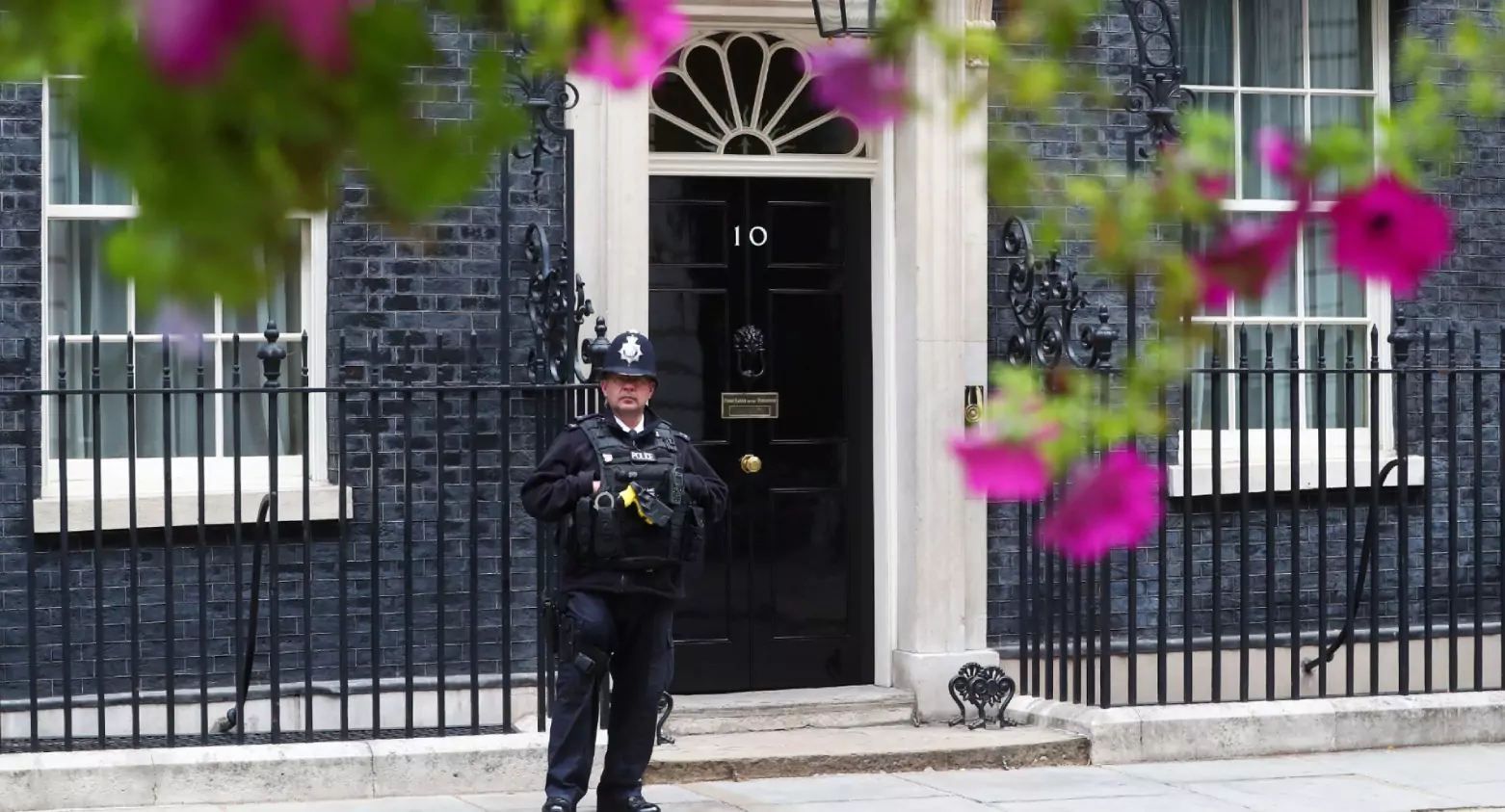

Parliamentary elections were held in the UK, as a result of which The 14-year rule of the Conservatives ended, and power passed to the Labour Party. Labour leader Keir Starmer officially became the 58th Prime Minister of Great Britain after his appointment by the British monarch Charles III.

The first statements of the new British Prime Minister:
- "We need to move on together;
- "My government will serve you, even if you did not vote for us;
- - The country is in the first place, the party is in the second place;
- "Our country needs a reset, we need to re-understand who we are.
The head of the Foreign Office in the new British government was David Lammy, and the Minister of Defense John Healy.
Who is Labour?
The Labour Party in the UK is one of the largest and most influential political parties in the country. It was founded in 1900 as the political wing of the labor movement and trade unions, with the aim of representing the interests of workers and other working strata of the population. Labour has traditionally been positioned as a party of the left or centre-left spectrum of the political scene.
In 1997, Tony Blair led Labour to victory with a New Labour programme focused on modernising the party and moving away from traditional socialist positions. The period of Blair and his successor, Gordon Brown, was marked by economic growth and significant social reforms.
After losing the 2010 election, when the Conservatives came to power, the Labour Party has experienced several leadership changes.
Under Starmer's leadership, the party sought to regain the trust of the general population, update the program and compete with the Conservative Party for power.
The Labour Party played a key role in shaping modern Britain. Its policies and reforms had a significant impact on public life, the economy and the social sphere.
Keir Starmer and women's penises
Keir Starmer, the leader of the UK Labour Party, has repeatedly faced issues regarding the rights and identity of transgender people. The issue has sparked considerable debate within the party and among the general public.
One of Starmer's most discussed statements concerned issues of gender identity and biological sex. In an interview given in March 2023, he said that "99.9% of women, of course, do not have penises". This statement caused a variety of reactions among both supporters and critics.
Starmer's statement was perceived in different ways. Some supported him, seeing in it a desire for inclusivity and respect for the rights of all people. Others, on the contrary, criticized him, arguing that such statements could confuse society and belittle the importance of biological sex.
At that time, British Prime Minister Rishi Sunak argued with Labour leader (and current Prime Minister) Keir Starmer about the presence of penises in women. "All women are missing a penis," Sunak said in an interview with Conservative Home, commenting on the words of the leader of the British Labour Party.
At the same time, the Labor Party, under Starmer's leadership, seeks to support the rights of LGBT+ communities and promote equality and inclusion policies. At the same time, the party tries to balance between the different opinions and beliefs of its members and voters.
Strange or controversial statements of Keir Starmer
Keir Starmer's statements and positions sometimes cause mixed reactions and criticism, both among members of his party and among the general public.
Withdrawing support for tax increases to fund social programs
In 2021, Starmer said that the Labour Party would not support a significant tax hike to fund social programs, despite the traditional support for such measures among left-wing parties. This statement drew criticism from more left-wing party members, who felt it was a departure from the party's founding principles.
Apologies for the 2019 election results:
In 2020, Starmer repeatedly apologized for the Labour Party's results in the 2019 election, calling them "the worst since 1935." While admitting mistakes is not strange in itself, his constant return to the topic has irked some party members who wanted to focus on the future rather than the past.
Support for Brexit after the referendum:
Prior to the Brexit referendum, Starmer was a proponent of keeping Britain in the European Union. However, after the referendum, he said that the Labour Party should respect the will of the voters and support the process of leaving the EU. This reversal drew criticism from both abandonment and exit advocates, who saw it as inconsistent.
Confusion about the right to self-determination of gender:
In an interview with BBC Radio 4 in 2021, Starmer found it difficult to clearly answer the question about the rights of transgender people to gender self-determination, which caused discontent among both LGBT+ activists and those who advocate for more traditional views on gender.








0 comments
Enter your email — we’ll send you a one-time code. No passwords or accounts.
Code sent to
If the email doesn't appear in your inbox within a few minutes, check your spam, junk, or promotions folder, as some email services may mistakenly place automated messages there