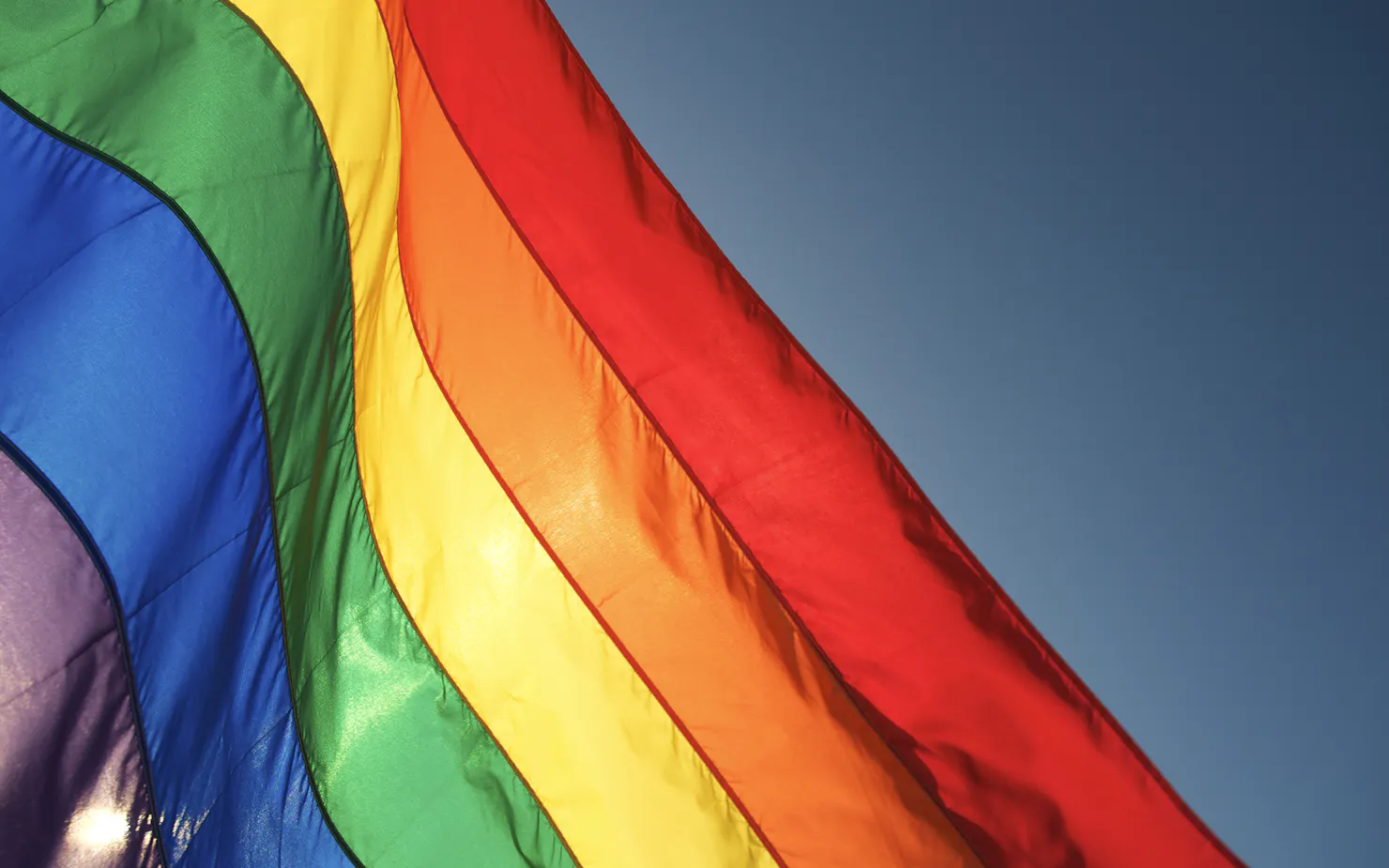

In recent years, Russia and Belarus have been actively fighting against LGBT communities and feminism. At first glance, this confrontation may seem to be the result of cultural and religious factors, but in reality it is part of a broader strategy to impose uniformity.
Historically, Russia and Belarus have always been countries with deeply rooted patriarchal values. For a long time, the Orthodox Church played a significant role in the formation of public consciousness, asserting traditional ideas about the family and gender roles. Any deviations from these norms were perceived as a threat to traditional foundations.
Uniformity as a means of management
Let's consider why uniformity is becoming an important tool of control for the authorities of these countries and how the fight against LGBT and feminism fits into this strategy.
The imposition of uniformity allows the state to better control society. When people hold the same views and values, they are easier to control and manipulate. In Russia and Belarus, the authorities are striving to create a monolithic society where all citizens share the same traditional values and reject any form of dissent. LGBT and feminist movements that promote diversity and minority rights pose a threat to this uniformity.
Political expediency
The political elites of Russia and Belarus use the fight against LGBT people and feminism as a tool to strengthen their position. Supporting traditional values and instilling uniformity helps the authorities to rally society around the idea of protecting national identity. This distracts the attention of the population from internal problems such as corruption, economic hardship and political repression.
Advocacy and control of information
State media play a key role in promoting uniformity. Propaganda actively forms a negative image of LGBT people and feminists, presenting them as enemies of traditional values and a threat to society. Such an information policy creates conditions for broad public condemnation and rejection of any form of dissent.
Legal restrictions
Laws that restrict the rights of LGBT communities and feminist movements serve as a tool to promote uniformity. In Russia, a law has been adopted banning "propaganda of non-traditional sexual relations among minors", and in Belarus, repressive measures against activists are being intensified. These laws are aimed at suppressing all manifestations of diversity and preserving a homogeneous social order.
The Role of Religious Institutions
Faith-based organizations support uniformity by actively opposing LGBT and feminism. In Russia, the Orthodox Church, and in Belarus the Catholic Church, play a significant role in shaping public opinion. These structures support conservative views, which helps the authorities to strengthen their power and maintain a single ideology.
Social stability through uniformity
It is easier for the authorities to maintain social stability in conditions of uniformity. Any manifestations of diversity are perceived as potential sources of conflict and destabilization. By suppressing LGBT and feminist movements, the state seeks to minimize risks and maintain control over society.
The fight against LGBT people and feminism in Russia and Belarus is not just a consequence of cultural and religious traditions, but also part of a broader strategy to promote uniformity. States use this strategy as a tool to strengthen their control and maintain social stability. It is important to understand that the imposition of uniformity has serious consequences for the rights and freedoms of citizens, and requires close attention both within countries and by the international community.







0 comments
Enter your email — we’ll send you a one-time code. No passwords or accounts.
Code sent to
If the email doesn't appear in your inbox within a few minutes, check your spam, junk, or promotions folder, as some email services may mistakenly place automated messages there