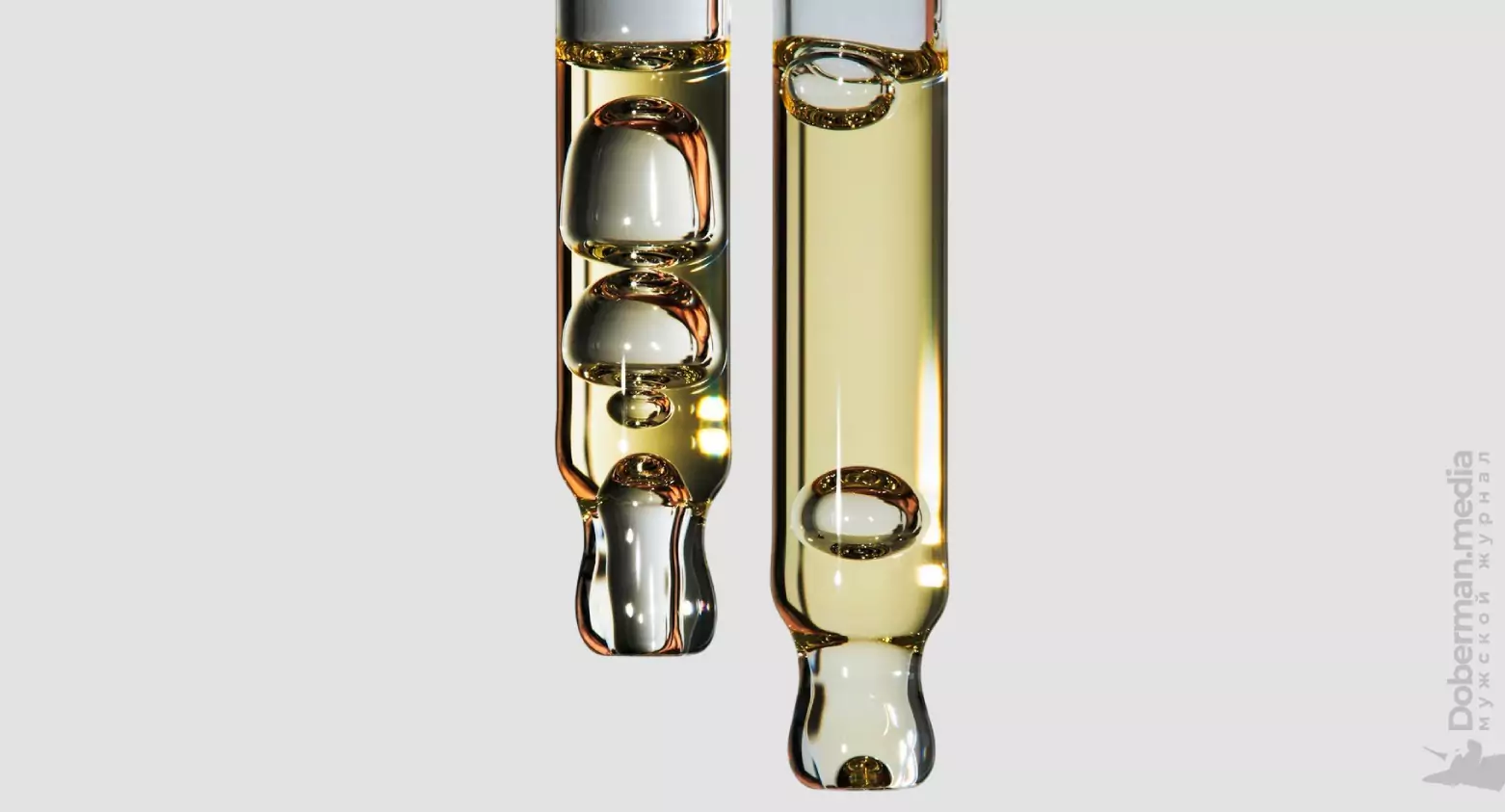

Retinol (a form of vitamin A) is one of the most popular ingredients in modern cosmetology. It is often called a "magic remedy" that promises rejuvenation, fighting pigmentation and acne. But is it really so? In this article, we will analyze the main myths about retinol, based on the opinion of a practicing cosmetologist, and tell you how to use this ingredient correctly to get the maximum benefit and avoid unpleasant consequences.
Is retinol addictive?
This statement belongs to the field of psychology rather than physiology. “Ретинол вызывает психологическую зависимость. Да, просто когда вы привыкли пользоваться ретинолом, у вас сияющее, чистое лицо, вам нравится, как вы выглядите,” – объясняет доктор Губарева. Если вы перестанете использовать ретинол, ваша кожа вернется к своему обычному состоянию, но не стоит ожидать, что эффект омоложения сохранится.
Retinol cannot be used by pregnant women?
This is the truth, which is confirmed by Dr. Gubareva. “Ретинол нельзя беременным, ребята. Это правда. “ Although topical retinol remedies are considered less dangerous, pregnant women should consult a doctor before using them.
Risk to the fetus. Retinoids, derivatives of vitamin A (including retinol), in high doses can negatively affect the development of the embryo and cause congenital anomalies. Internal retinoids (such as isotretinoin) are strictly contraindicated during pregnancy for this reason, and although retinol creams are less aggressive, there is still a risk of exposure.
Skin sensitivity. During pregnancy, the skin may become more sensitive and prone to irritation. Retinol often causes redness and peeling, which can be exacerbated.
Alternatives. Instead of retinol, many doctors advise pregnant women to use gentler and safer products, such as vitamin C, niacinamide or peptides, which help preserve the skin without potential risks.

Does retinol thin the skin?
This statement is partially true. Retinol can temporarily thin the top layer of the skin, But this is rather a side effect of its renewing action.
“Если мы говорим про крем с ретинолом, про наружные средства, то в этом случае никакого истончения не будет. Сухость может возникать при неправильном использовании, поэтому никаких проблем с этим нет. То есть тут как бы наполовину правда, наполовину миф,” – поясняет доктор.
Retinol accelerates cell turnover and helps to exfoliate dead skin cells, making the skin look smoother and more renewed. На ранних этапах использования кожа может стать более чувствительной и тонкой, что вызывает ощущение “истончения”.
Can't retinol be used in the summer?
When using retinol in the summer, caution should be exercised. “Я вот лично не рекомендую начинать летом, но я знаю, что некоторые постепенно, с маленьких дозировок начинают курс летом. Если пациент в адеквате, он использует SPF, не лежит постоянно на солнце, то всё у него протекает абсолютно спокойно даже летом.” It is worth considering that if you are prone to pigmentation, it is recommended to stop using retinol a few days before going to the sea.
Are retinol and retinoic acid the same?
Retinol and retinoic acid are different, albeit related, forms of vitamin A, and they work differently on the skin. Retinoic acid is one of the forms of retinol, more active and stronger. Both forms of vitamin A are effective, but when choosing between them, it is important to consider the individual characteristics of the skin.
Retinol — это менее активная форма витамина А. Для того чтобы он начал действовать на клетки кожи, ретинол должен сначала преобразоваться в ретиноевую кислоту. Ретиноевая кислота (или третиноин) — активная форма витамина А. Она действует сразу на клетки кожи и используется в некоторых рецептурных препаратах, например, для лечения акне и антиэйджинга.
Retinol медленно преобразуется кожей в ретиноевую кислоту (он проходит этапы преобразования сначала в ретиналь, а затем в ретиноевую кислоту). Это делает его более мягким и менее раздражающим для кожи. Ретиноевая кислота действует сразу и агрессивнее, так как не требует преобразования, но может вызывать сильное раздражение, покраснение и шелушение, особенно у людей с чувствительной кожей.
Retinol работает медленнее, и для видимого эффекта требуется больше времени и регулярное использование. Ретиноевая кислота действует быстрее, и результаты обычно заметны быстрее, но она требует особой осторожности при применении.
Retinol продается в безрецептурных продуктах, таких как кремы и сыворотки. Ретиноевая кислота доступна в основном по рецепту врача и используется для более серьезных случаев, таких как акне или выраженные возрастные изменения.

Ретинол нельзя сочетать с другими веществами.
This is true. Yes, there are a few substances when using retinol that are best avoided in the same skincare routine, as they can increase irritation or reduce its effects.
Acids (AHA/BHA). Glycolic, salicylic, and lactic acids (AHA and BHA) can be too aggressive when combined with retinol. They exfoliate the skin, which can increase the risk of irritation and dryness. It is better to alternate them, using, for example, retinol in the evening, and acids on other days.
Vitamin C. Vitamin C can also irritate the skin if applied at the same time as retinol. In addition, vitamin C works better at a lower pH and retinol works better at a higher pH, which reduces their effectiveness. It is recommended to use vitamin C in the morning (under SPF protection) and retinol in the evening.
Benzoyl peroxide. It is an active ingredient for the treatment of acne, and it can neutralize the effects of retinol. In addition, the combination of these two components can greatly dry out and irritate the skin. It is better to use them at different times, for example, benzoyl peroxide in the morning, and retinol in the evening.
Other Retinoids. Avoid using multiple retinoid products at once, as this can cause excess skin irritation. If you already have a product with a retinoid (for example, tretinoin) in your care, you should not use retinol additionally.
To reduce the likelihood of irritation and enhance the effect, retinol works well with:
Moisturizing ingredients: such as hyaluronic acid, glycerin, ceramides. They help soften the skin and prevent dryness.
Niacinamide: It soothes the skin, reduces redness, and restores the protective barrier, making it a great addition to retinol.
SPF protection: Be sure to use sunscreen in the morning, as retinol makes the skin more sensitive to UV light.
Should I use retinol every day?
“Ретинол нужно применять каждый день? Ну, действительно, если мы хотим выраженный эффект, да, то его нужно применять каждый день,” – говорит доктор Губарева. Но не всегда требуется ежедневное применение. In general, the more often you use retinol, the more pronounced the effect, but you should start gradually, with 1-2 times a week.
Can retinol only be used after 40 years?
Retinol can also be used at a younger age, and its use is not limited to 40 years. The question of age has more to do with goals and skin condition than with a specific age threshold. “Это действительно миф, потому что мы назначаем ретинол и восемнадцатилетним девочкам,” – говорит доктор Губарева. Ретинол часто назначают подросткам для лечения акне.
The main things to remember: 1. Choice of concentration and form: Retinol can be adapted to the needs and condition of the skin, allowing it to be used safely and effectively at any age, starting from about 25 years of age. 2. Regularity and gradualness: It is important to gradually increase the concentration and frequency of application. 3. Sunscreens: Sun protection is a must, as retinol makes the skin more sensitive to UV light.
Is retinol dangerous for the eye area?
Retinol can be used in the eye area, but with caution, as the skin there is thinner and more sensitive. Therefore, it can cause irritation, dryness and redness in this area, especially if high concentrations are applied or too often. Use creams specially formulated for the eyes: Many brands produce retinol creams that are designed specifically for the eye area. They usually have a milder formula and a reduced concentration of retinol. Start using a product with a low concentration of retinol around the eyes: It is better to use a low concentration (e.g. 0.1%) and gradually increase it as the skin gets used to it.
So, retinol is not dangerous to the eye area when used correctly. However, for sensitive skin, it is important to start with caution and observe the reaction, especially in the first weeks.
How to use retinol correctly?
● Start with a low concentration and gradually increase it.
● Use retinol at night only.
● Always apply SPF protection during the day.
● Do not apply retinol to damp skin.
● If allergies (redness, swelling) occur, discontinue use.

Choosing Retinol
“Если вы самостоятельно хотите выбрать себе профессиональный ретинол, я, честно, настоятельно не рекомендую этого делать,” – говорит доктор Губарева. Однако, если вы все же решились на это, начинайте с минимальной концентрации. Важно понимать, что профессиональные средства с ретинолом, как правило, эффективнее, чем аптечные мази. “Имейте в виду, что того эффекта именно ретинола, который может дать качественный профессиональный ретинол в липосомальной форме, вы не получите, потому что ваш ретинол будет работать на поверхности, и больше будет работать как антиоксидант.”
Summary
Retinol is an effective ingredient that can help improve skin conditions, but it should be used wisely. “Если же вы хотите именно стимуляции, глубокой работы с кожей, и тех эффектов, от которых все пищат, то тогда вам нужна профессиональная косметика и профессиональный подбор,” – заключает доктор Губарева.
Before starting to use retinol, especially if you choose professional products, consult a cosmetologist to choose the right product and concentration.








0 comments
Enter your email and we will send you a one-time code. No passwords or accounts.
Code sent to
If the email doesn't appear in your inbox within a few minutes, check your spam, junk, or promotions folder, as some email services may mistakenly place automated messages there