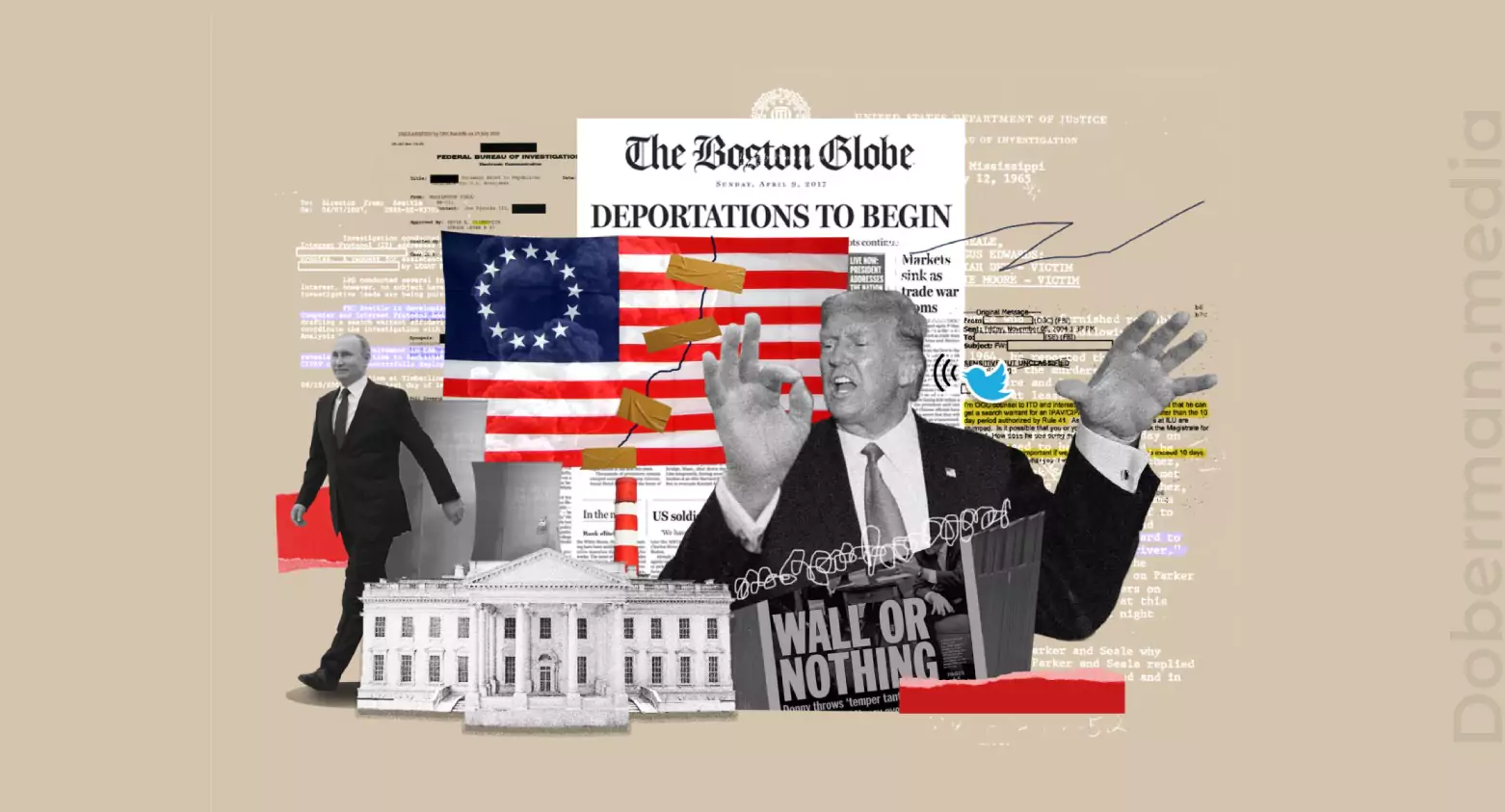

Secret Mechanisms of Elections in the United States: What We Don't Know About DemocracyIn the run-up to one of the busiest presidential elections in U.S. history, many Americans are still unaware of the workings of the electoral system and the faltering mechanisms that affect results. Republican Donald Trump and Democrat Kamala Harris are fighting for the presidency, but how important is our voice? Let's understand the myths and reality of elections in America.
When it comes to elections, many of us feel that everyone's vote matters. But according to Adam Conover from the show "Adam Ruins Everything" ("Adam Ruins Everything" is a comedy-educational American show where host Adam Conover debunks common myths and misconceptions about various aspects of life), everything is not so simple. In the fifth episode of the first season, he debunks several myths about how elections in the United States work and shows that the American electoral system is far from perfect. Here are the key points of this exposé series.
1. Myth: Every Voice Matters
It seems logical that in a democratic country, every vote determines the outcome of an election. But in fact, everything is not so simple. One of the main problems is the electoral college. In the United States, this is a system where votes are redistributed through representatives who cast their votes for candidates. As a result, the winner may be the person who did not receive the majority of popular votes. This was the case in the presidential elections of 2000 and 2016.
Adam explains that this makes votes in smaller, "swing" states much more significant than in densely populated states like California or Texas, where the outcome is usually a foregone conclusion. For example, if you live in a "blue" state (where Democrats usually win) or a "red" state (where Republicans always win), your vote in a presidential election may not matter much.
2. Myth: Elections are a struggle between Democrats and Republicans
The American political system is often perceived as a duel between two parties – the Democratic and the Republican. However, Adam shows that there are many third parties that often remain in the shadows due to the fact that the electoral system strongly favors only the two main players. For example, parties like the Libertarian Party or the Green Party rarely get a significant number of votes because Americans often fear that their vote for a third party will be wasted.
Adam explains that the two-party system is actively supported by both the media and the political system itself, which leaves no chance for alternative candidates.

3. Myth: People choose candidates for the primaries
Primaries are primary elections in which parties choose their candidates to participate in a general vote. At first glance, it seems that this is a democratic process, but Adam reveals the behind-the-scenes truth: lobbyists, major donors and party leaders actively interfere in the primaries. They have an impact on who will be represented in the elections from the party. This creates a situation where ordinary citizens, in fact, choose from candidates already selected by the political elite.
4. Myth: Voting is easy
Adam also discusses the issue of access to voting. Despite the fact that the United States declares the right of every citizen to participate in elections, many face obstacles: long queues at polling stations, inconvenient opening hours of polling stations, complicated ballots and the need to register well before election day. For some groups of the population (for example, students or the elderly), this can be a serious barrier.
In addition, the voter registration process itself is confusing and often intentionally complicated in certain states. Adam reminds that in some countries, voter registration is automatic, and people are not required to take additional steps to get the right to vote.
5. Myth: Votes are protected from fraud
One of the hottest topics is election security and protection against fraud. Adam debunks the myth that massive voter fraud is a serious threat. Although politicians and the media like to hype the topic of fraud, in fact, there are very few reported cases of voting fraud. Far more threats are posed by outdated vote counting systems and database hacks.
Adam Conover's episode about the elections in America gives food for thought about how the system works, and why not everything is as transparent as we would like. While democracy continues to be a core value, it is important to be aware of its limitations and to strive for change that will allow every voice to truly matter. After all, in the end, only by understanding the system, we will be able to improve it.





0 comments
Enter your email and we will send you a one-time code. No passwords or accounts.
Code sent to
If the email doesn't appear in your inbox within a few minutes, check your spam, junk, or promotions folder, as some email services may mistakenly place automated messages there