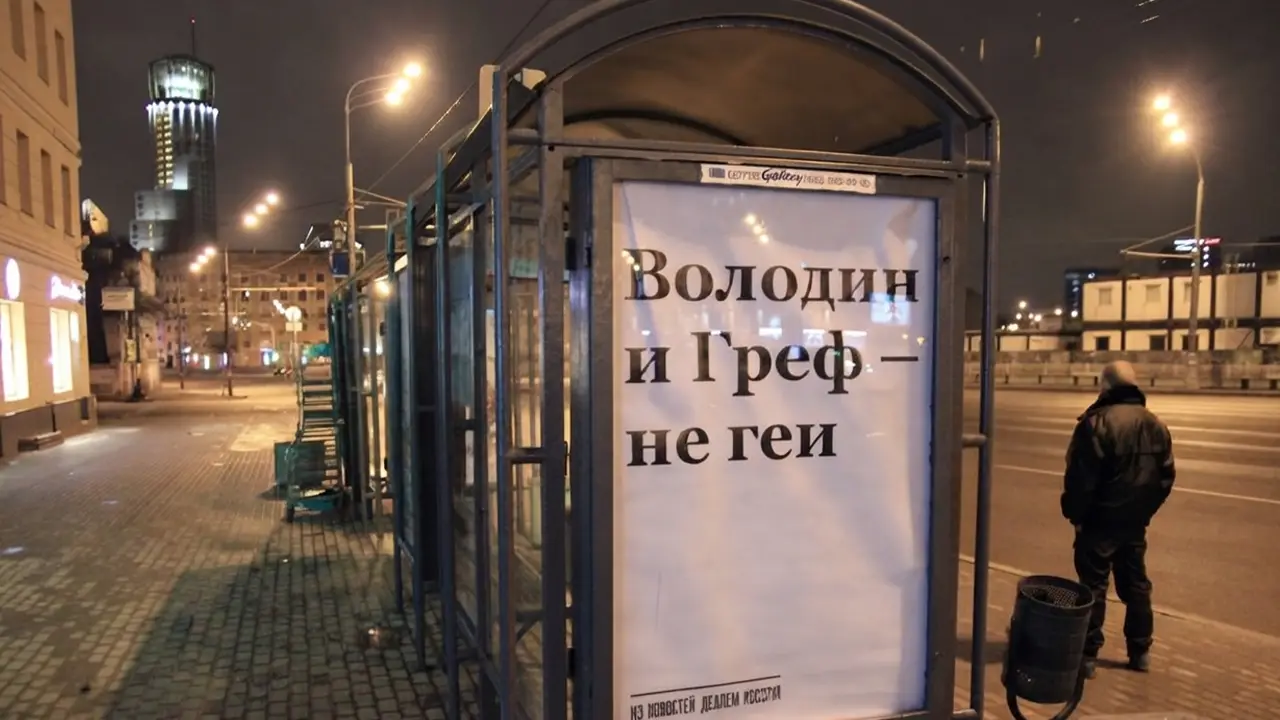

The death of Senator Lindsey Graham at the age of 71 caused not only a flood of official condolences in the United States, but also a new wave of discussions his personal life, which he carefully hid for decades. Graham has spent years building a career on conservative values, voting against same-sex marriage and LGBTQ rights, while Washington has been rife with rumors about his preferences.
For Russia, this story looks frighteningly familiar: here, too, the "defense of traditional values" often becomes a façade for people leading a double life. Let's figure out why those who hate LGBTQ+ people the most often do so because of a repressed identity, and how this mechanism works in big politics.
Note from the editors of Doberman.media. In this text, we mention numerous reports of Lindsey Graham's possible homosexuality. We stress that at this point there are no legally established facts, court decisions or direct admissions to substantiate these allegations. All the evidence cited - from posts on social networks to testimony in court - remains at the level of unverified accusations and rumors. We view this data not as a proven fact of the late senator's biography, but as a subject of public discussion about political hypocrisy and how the suppression of one's own identity can be transformed into repressive legislation.
The Case of Lindsey Graham: Cruelty as a Way of Denial
Lindsey Graham has never been married and answered direct questions: "As far as it matters, I'm not gay". However, immediately after his death, old accusations returned to the public field and new ones appeared: from stories transgender women about sex services to actors' testimonies about "regular customer" from among the senators.
Both old and new accusations instantly surfaced in the public field.
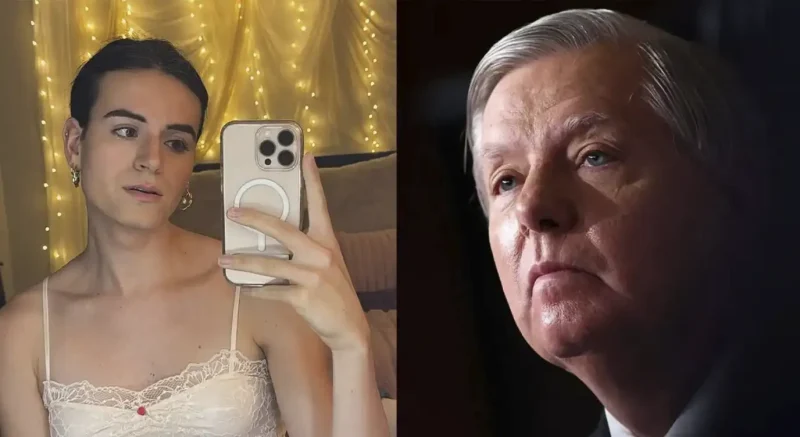
So, in a viral post, a transgender woman Jessie James Rose said that the senator allegedly hired her for sex services.
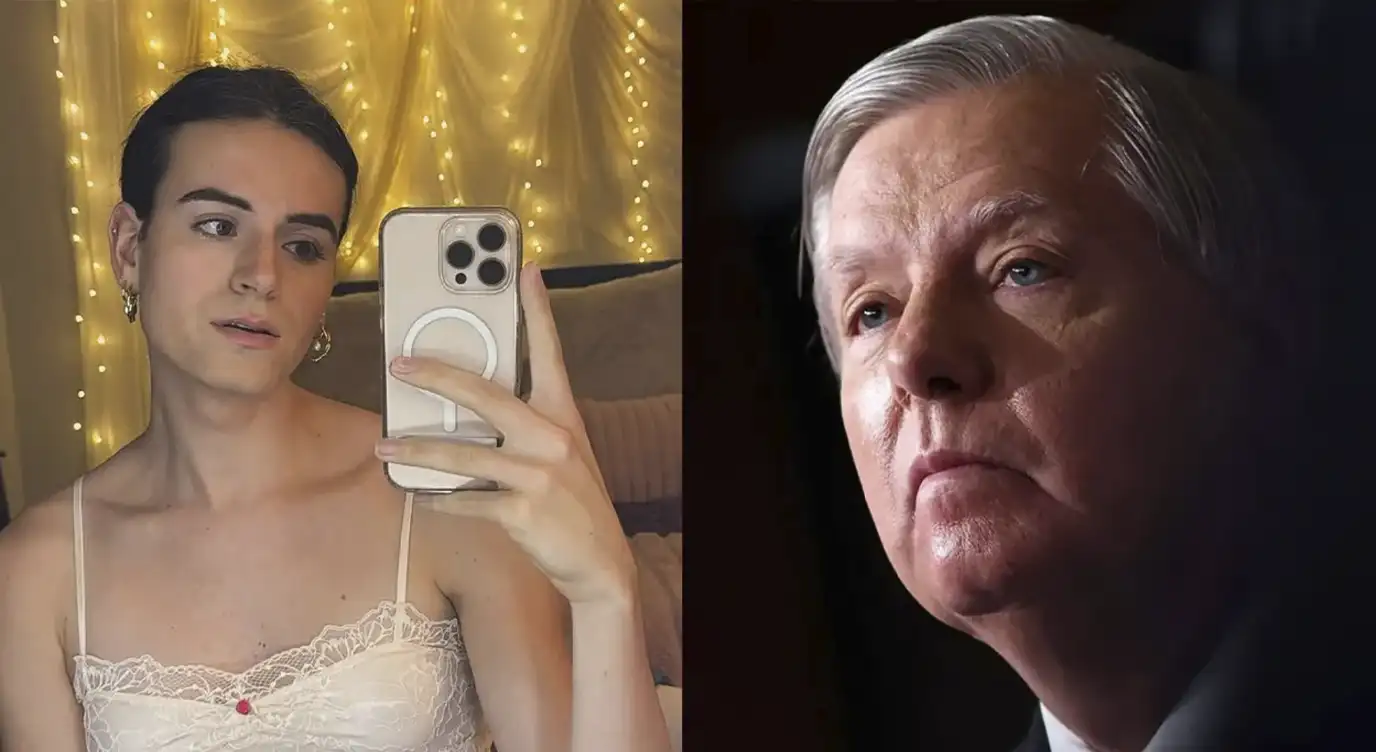
actor Sean Harding back in 2020, he called Graham a "well-known client" among male escorts in Washington.
And far-right activist Laura Loomer claimed in court that Trump campaign staff openly told her about the senator's homosexuality.
The most important thing here is not Graham's orientation itself, but how he used his power. He has systematically voted against basic rights for gay and trans people, supporting restrictions on medicine and the right to marriage. Activists of the community are sure that his political cruelty was a form of self-medication, an attempt to prove to himself and voters that he was "not one of them". How to writes Editor The Advocate John Cayce, such cruelty is often born out of deep self-hatred and fear of being exposed.
However, as analysts note, death deprives a person of the opportunity to defend himself in court, which makes him a convenient target for those who want "15 minutes of fame" or seek political justice.
Why doesn't the community accept Graham?
Many in the LGBTQ community take satisfaction in the idea that Graham was "one of them" and that his violence was only a form of self-hatred. However, the key conclusion of human rights activists is harsh: Lindsey Graham doesn't deserve to be called gay, even if he was.
The reason is in his political legacy. For decades, he has voted against same-sex marriage, access to health care, and the right to exist for the very people he is rumored to be. Being openly gay requires courage and empathy, qualities that Graham did not show, choosing instead the path of harming others in order to preserve his status.
The Russian context: Hypocrisy as a state strategy
In Russia, the situation has been brought to an absolute: while the authorities are adopting laws on the "extremist LGBT movement," investigative journalists regularly find evidence of the double life of those who sign these laws.
Investigations by the publications "Jellyfish», «Cold" and "Important Stories" indicate that there are people in the Russian presidential administration and law enforcement agencies (FSB, FSO) who use escort services or are in same-sex relationships, while publicly supporting repression.
Aggressive homophobia often serves as a "shield". The official proves loyalty to the system by persecuting others, trying to convince himself and others: "I can't be gay, because I persecute them." This creates a situation where people who could themselves become defendants in their own laws initiate these same laws.
This creates a situation of total hypocrisy. It turns out that for a Russian official Public hatred of gays is the only way to guarantee your safety and prove loyalty to the system.
Psychology of homophobia: Why do "our own" hit the hardest?
The hypothesis that the most ardent homophobes are people with repressed attraction is confirmed in political practice. From the point of view of psychology, aggressive denial (projection) allows a person to distance himself from what he hates in himself.
- Proof of "normality" through the law. By accepting repressive norms, the politician seems to say: "I can't be gay, because I persecute them."
- Fear of exposure. The closer a person is to "sin" in his own understanding, the louder he should shout about its inadmissibility in order to divert suspicion.
- Depriving others of what you don't have. If a person in the "closet" is forced to suffer and hide for years, he begins to feel rage towards those who live openly, and seeks to deprive them of this right.
Hypocrisy that kills
The danger of figures like Lindsey Graham or his Russian colleagues is that they ruin the lives of millions of people in order to preserve their secrecy. Their "closet" becomes a prison not only for themselves, but also for the whole country, which is forced to live according to the laws dictated by someone's complexes.
For the LGBTQ community, such people will never become "one of us", even if the truth about them is officially confirmed. Coming out after death does not undo years of harm done to the living. As the activists summarize, being gay is not only about sexuality, it is about the courage to be yourself, and Lindsey Graham, like many Russian deputies, has never had this courage.





0 comments
Enter your email and we will send you a one-time code. No passwords or accounts.
Code sent to
If the email doesn't appear in your inbox within a few minutes, check your spam, junk, or promotions folder, as some email services may mistakenly place automated messages there