
Gadi Eisenkot, former Chief of the General Staff of the Israel Defense Forces (IDF) and leader of the Yashar! party, spoke with a resonant statement. According to him, Prime Minister Benjamin Netanyahu tried to prevent the appointment of Sharon Afek to the post of chief military prosecutor because of his sexual orientation. The Likud party calls these accusations a "political spin", indicating that it was under Netanyahu that the openly gay Amir Ohana became the speaker of the Knesset. Meduza retells the essence of the conflict.
What exactly did Eisenkot say?
Speaking at an equality conference, Gadi Eisenkot said that in 2015, when he was selecting a candidate for the post of chief military prosecutor, Sharon Afek was "by far the strongest candidate" of the three candidates.
According to Eisenkot, then-Defense Minister Moshe Ya'alon initially fully supported the decision, but returned two days later with "some misgivings." Eisenkot claims that the "problem" arose after Ya'alon's communication with the prime minister. The former chief of the General Staff directly hinted at Netanyahu: "Check who was the prime minister then. The same prime minister who visited Bar-Noar (the LGBT center in Tel Aviv, where the shooting took place in 2009 - note. „Doberman.media“). There was a problem there."
In the end, Eisenkot and Ya'alon decided to ignore the objections and still approved the candidacy of Afek, who, in their opinion, did a brilliant job in his role.
Who is Sharon Afek?
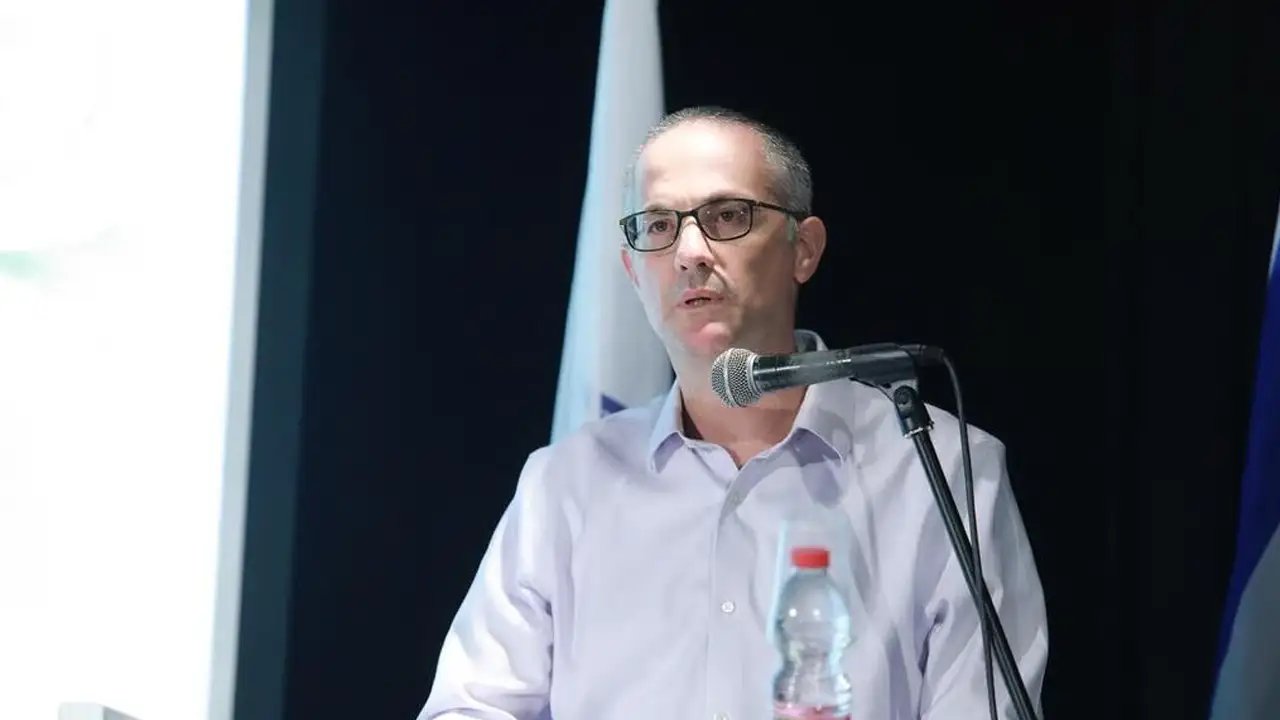
Sharon Afek is an iconic figure for the Israeli army:
- He became the first openly gay man in Israel's history, who received the rank of Major General (Aluf).
- Afek came out in 2017, already serving as chief military prosecutor, to become a role model for LGBT youth and show that there is "no glass ceiling" in the IDF.
- During his service, he handled several high-profile cases, including the case of Elor Azaria, the soldier who shot and killed a wounded Palestinian terrorist in Hebron.
- Afek currently holds the post of Deputy State Attorney of Israel.
How did Netanyahu and Likud react to this?
Netanyahu's Likud party categorically rejected Eisenkot's claims. The official statement of the party says that the accusations are politicized and have no basis.
As a counterargument, Likud recalled that it was with Netanyahu's support that the openly gay Amir Ohan held key positions in the government and became the speaker of the Knesset "due to his abilities, and not as a symbolic figure." Eisenkot himself was accused of "panicking" before the election.
Why are they talking about this right now?
Eisenkot's statement came amid his general criticism of Netanyahu's personnel policy. The former general accuses the prime minister of appointing people to key positions in the security forces, guided by personal loyalty, not professionalism.
In particular, Eisenkot criticized Netanyahu's recent decision to appoint his former military secretary, Roman Hoffman, as head of the Mossad, claiming that the prime minister ignored more experienced candidates. According to Eisenkot, "the fear of one man for his chair should not lead to the collapse of the whole country."
What do they say about the situation in the army itself?
Officially, the IDF is considered one of the most progressive armies in the world when it comes to integrating LGBT soldiers. Discrimination in recruitment or promotion on the basis of sexual orientation is formally prohibited.
Afek himself stressed in his interviews that he had never faced discrimination in the army because of his orientation and always felt that he was evaluated solely on his professional qualities. However, Eisenkot's statements indicate that there may have been resistance to such appointments at the highest political level.






0 comments
Enter your email and we will send you a one-time code. No passwords or accounts.
Code sent to
If the email doesn't appear in your inbox within a few minutes, check your spam, junk, or promotions folder, as some email services may mistakenly place automated messages there