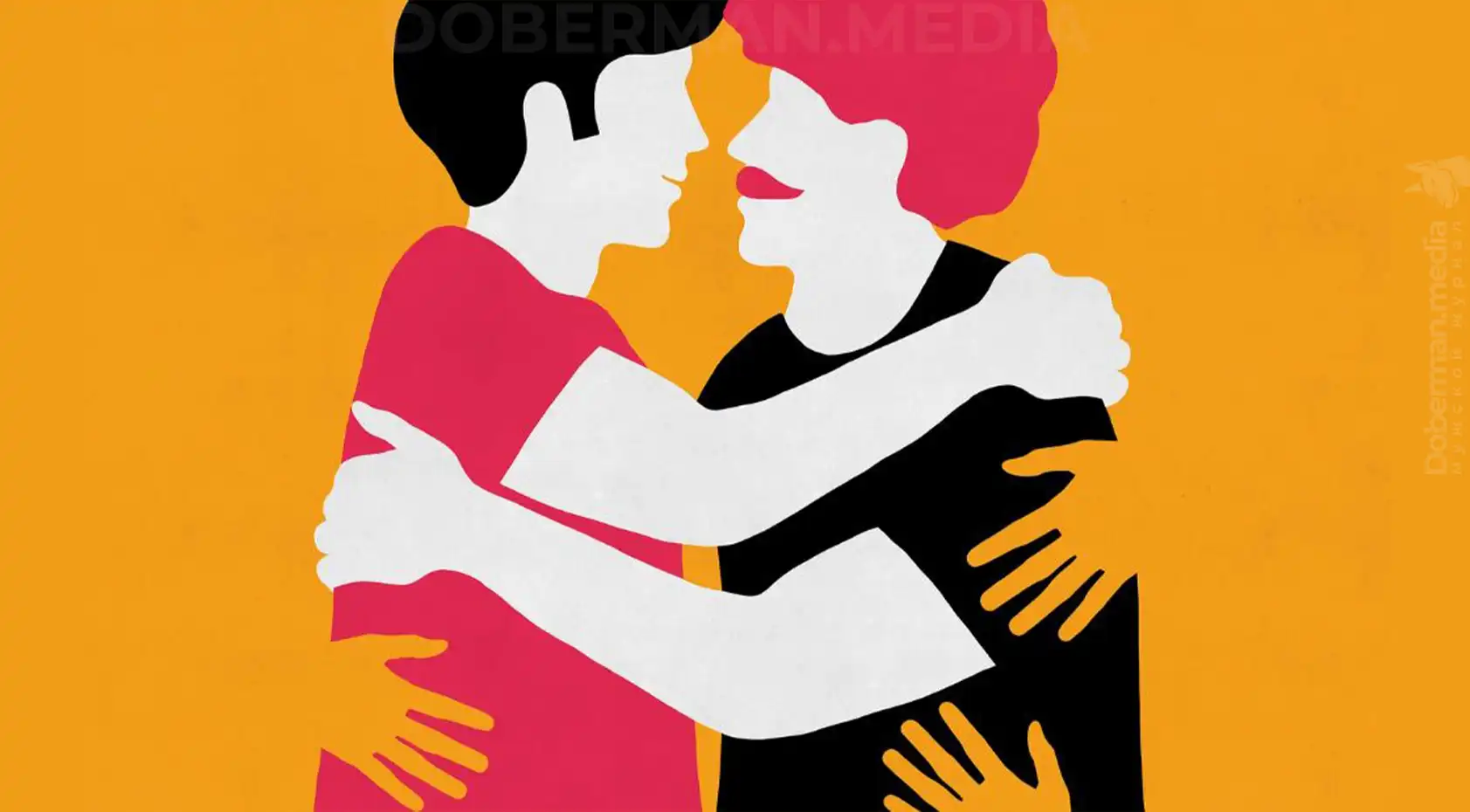
In recent years, more and more terms for self-definition have appeared in the LGBTQ+ community. One of those that are now on everyone's lips is "omnisexuality" — especially after singer Kesha used the word to describe her identity.
Let's figure out what is behind this concept and why the old definitions are no longer enough for many.
What on earth is that?
The word "omni" comes from the Latin omnis, which means "all" or "everyone". An omnisexual is a person who experiences romantic or sexual attraction to people of all genders. This includes not only men and women, but also non-binary people, as well as the rest of the spectrum of gender identities.
What is the difference between omnisexuality and pansexuality?
At first glance, these concepts seem identical, as both describe attraction to all genders. However, there is a fundamental difference between them in the perception of the partner:
Pansexuals They often call themselves "gender blind". For them, a person's gender is not a significant factor in the emergence of sympathy.
Omnisexuals, on the contrary, they notice gender and recognize its importance. As applied ethics professor Luke Branning explains, for an omnisexual, a partner's gender may be one of the reasons a person seems attractive, rather than a factor that is ignored.
In other words, omnisexuals may experience different types of attraction to members of different genders: for example, they may be attracted to men differently than to women or non-binary people.
Isn't that the same as bisexuality?
Not really. Although modern human rights organizations define bisexuality broadly — as attraction to more than one gender — the term "omnisexuality" is used for greater accuracy. Omnisexuals choose this definition to emphasize that their attraction is absolutely All identities, not just a part of them.
Which of the celebrities speaks openly about this?
Interest in the term skyrocketed after the American pop star Kesha indicated "omnisexuality" on her profile on the dating app Feeld. Representatives of the platform noted that after this step, the number of users who chose the same identity increased significantly.
Other examples include:
- American singer Sophie B. Hawkins.
- Fictional character — Captain Jack Harkness from the series "Doctor Who".
Why do you need so many difficult words?
Experts and activists emphasize that the abundance of terms is not just a fashion or an attempt to complicate everything. It is a search for a language to describe very different human experiences.
Sexuality is much more complex than it seems at first glance, and the traditional categories of "black and white" are not suitable for everyone. New concepts such as omnisexuality or abrosexuality help people better understand their needs and find those who feel the same way.




0 comments
Enter your email and we will send you a one-time code. No passwords or accounts.
Code sent to
If the email doesn't appear in your inbox within a few minutes, check your spam, junk, or promotions folder, as some email services may mistakenly place automated messages there