
A landmark event has taken place in the history of the fight for the rights of the LGBT community in Ukraine—one that could change the country’s legal landscape. March 8, 2026 The Supreme Court of Ukraine upheld the ruling recognizing a same-sex couple as a family, by dismissing the appeal filed by the conservative movement “All Together!”, which had sought to challenge the rulings of the lower courts. Last summer, this did at the Desnyansky District Court of Kyiv and the Court of Appeals.
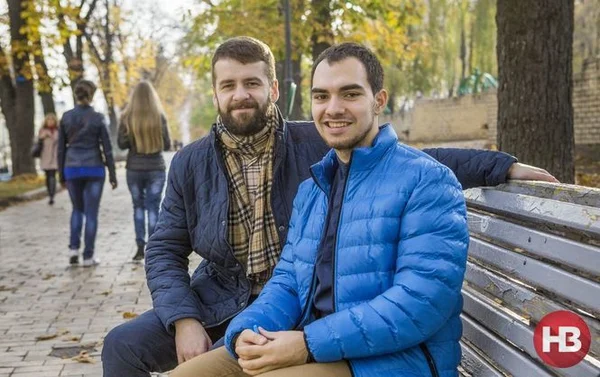
The story of this case began with a struggle for the right to be together during an important period of their lives. Zoryan Kis, a Ukrainian diplomat, was appointed first secretary of the Ukrainian Embassy in Israel in June 2024. He planned to travel to his post with his partner, By Timur Levchuk, treating him as a member of the family.
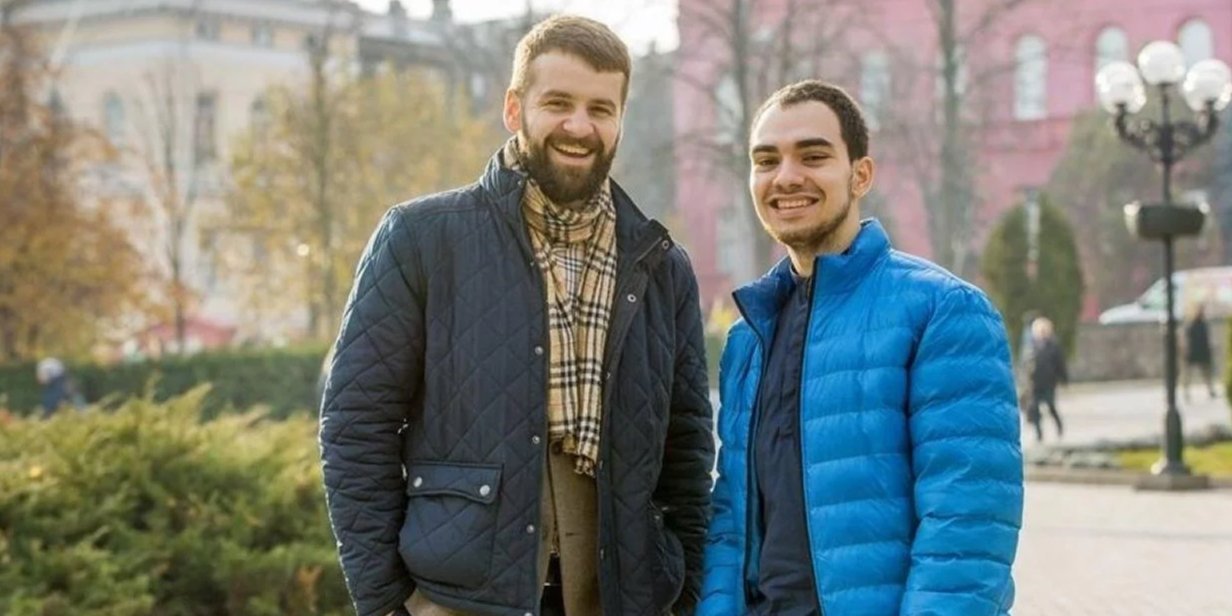
However, The Ukrainian Ministry of Foreign Affairs (MFA) issued a refusal, citing the fact that the country’s current legislation defines marriage exclusively as a union between a man and a woman. Unwilling to accept this discrimination, the couple turned to the courts, embarking on a long journey toward justice through the Ukrainian judicial system.
The first successes were achieved as early as last summer. The Desnyansky District Court of Kyiv, and subsequently the Court of Appeals, ruled in favor of the couple, recognizing their de facto relationship as a family relationship. The Supreme Court settled the matter once and for all by upholding the legality of these decisions.
The legal basis for this verdict was Case law of the European Court of Human Rights (ECHR). The court found that the state’s refusal to recognize de facto marital relationships between individuals of the same sex could be regarded as violation of the right to respect for private and family life, which is guaranteed by Article 8 of the European Convention on Human Rights.
Representatives of the LGBT organization “Insight” emphasize the extreme importance of this event:
“This decision sets an important precedent for the legal recognition of same-sex relationships in Ukraine. In the absence of legally established institutions (such as registered partnerships or marriages), judicial recognition of the existence of a family relationship is, for now, the only means of protecting the rights of such couples».
Despite their legal victory, the situation in the country remains mixed. Kisya and Levchuk’s success came amid other incidents that highlight the level of homophobia in society. For example, in Rivne, opponents of the LGBT community disrupted a concert by a singer MELOVIN, displaying posters with slogans against same-sex marriage. In addition, lawyers are documenting cases of overt discrimination, such as the Ukrainian Catholic University in Lviv’s refusal to admit a female student because of LGBT emojis on her social media accounts.
The event did not go unnoticed outside Ukraine either. Russian Foreign Ministry spokeswoman Maria Zakharova criticized the Supreme Court’s decision, stating that recognizing a same-sex couple as a family on March 8 specifically “distorts the meaning” of International Women’s Day and imbues it with “a new, quasi-meaning.”
However, for the Ukrainian justice system and human rights defenders, March 8, 2026, will forever be associated with the triumph of human rights and the recognition of equality.
This Supreme Court ruling opens up new possibilities for hundreds of other Ukrainian couples, demonstrating that European values and human rights are becoming a reality in legal practice—capable of protecting citizens even in the absence of relevant laws passed by parliament.





0 comments
Enter your email and we will send you a one-time code. No passwords or accounts.
Code sent to
If the email doesn't appear in your inbox within a few minutes, check your spam, junk, or promotions folder, as some email services may mistakenly place automated messages there