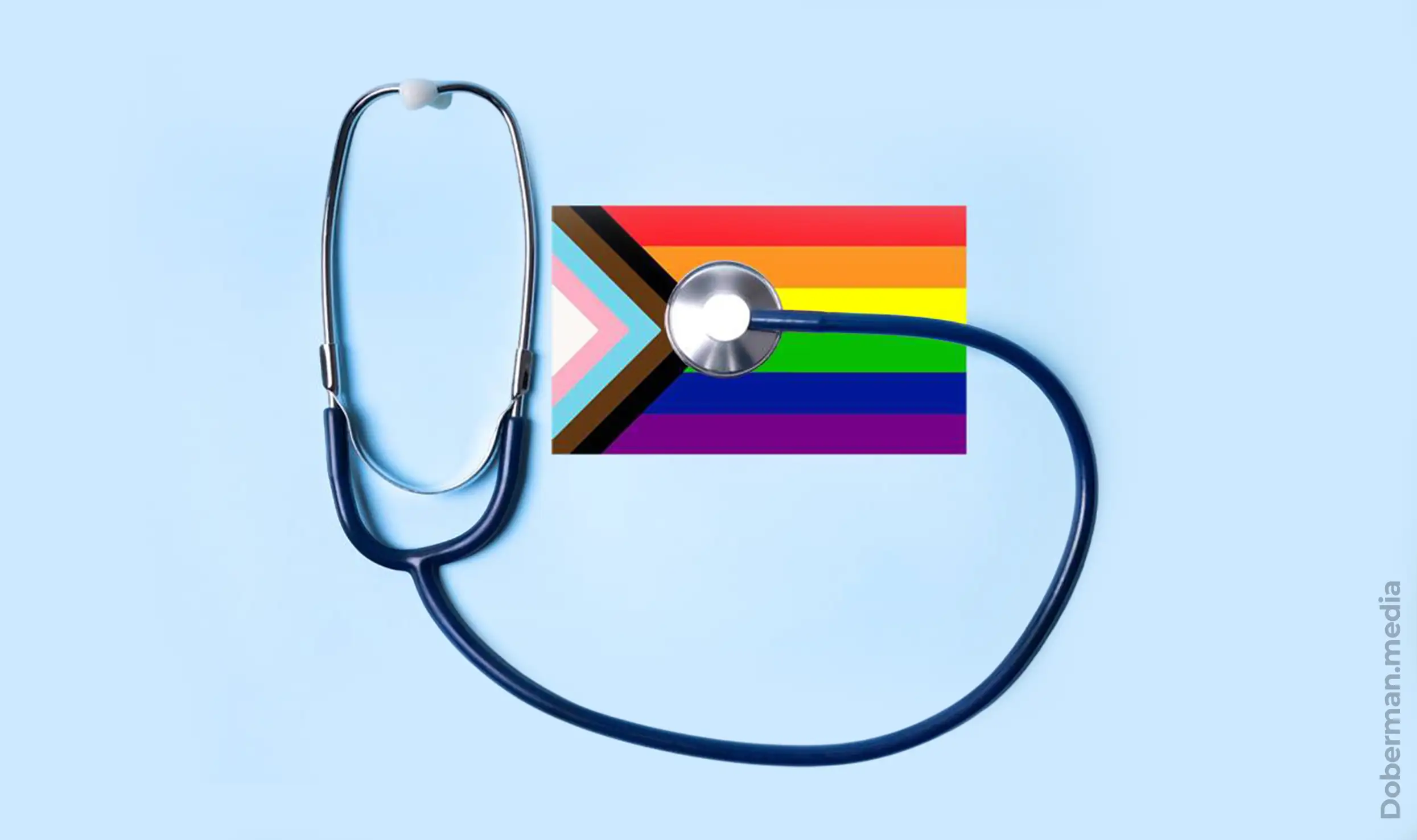

Квир-люди в миграции сталкиваются с двойной стигматизацией: как иностранцы и как представители ЛГБТК-сообщества, подвергающегося дискриминации. Эта ситуация приводит к тому, что до 40% трансгендерных людей избегают обращаться за медицинской помощью. Они сталкиваются с отказами врачей, унизительными комментариями и, как следствие, прибегают к опасному самолечению. Рассказываем, почему право на здоровье для квир-мигрантов остается острой социальной проблемой и где искать дружественных врачей, даже если вы оказались в чужой стране.
According to statistics, from 20–25% квир-людей and up to 40% трансгендерных людей avoid seeking medical care, and this situation is getting worse. Doctors may lack expertise in transgender issues, follow culturally conditioned treatment models, or engage in unethical behavior.
In this podcast, we'll explore:
• The Doctor as a Threat: Why Do People Perceive the Doctor’s Office as a Source of Trauma? We examine various forms of discrimination: denial of treatment, humiliating comments, and disregard for complaints.
• The Unique Situation of Trans People: Why is it harder for transgender people to conceal their identity (discrepancies between official documents, appearance, and physical characteristics), leading to advanced stages of disease?
• The Dangers of Self-Medication: By avoiding doctors, people resort to self-medication or buy drugs on the black market, which can have fatal consequences.
• HIV Status and Migration: Why Is Avoiding Treatment or Substituting Vital Medications Particularly Dangerous for People Who Are HIV-Positive?
Try listening to this and our other podcasts on your favorite platforms on the go, at the gym, at work or while relaxing:


This article is part of the series “Health and Rights: A Media Series on the Well-Being of LGBTI People, the Community, and the Right to Health in the Context of Migration.” The project focuses on the health and rights of LGBTI people who face challenges when moving to other countries. In this series, we discuss access to medical care, HIV prevention, mental well-being, and discrimination in the healthcare system, as well as how migration affects quality of life and a sense of safety within the community.
Double Vulnerability: Why Queer Migrants Don't Go to the Doctor
Queer people are, by definition, in a vulnerable position. They are a group that faces discrimination far more often than others. Denials of medical care—especially for transgender people—occur even in their home countries.
When a queer person finds themselves in a situation of migration, there arises "double vulnerability zone". The stigma associated with queer identity is compounded by the stigma of being a migrant: the person does not know the language, is unfamiliar with the social norms in the new country, and does not always have health insurance. Attitudes toward foreigners can in and of themselves be “exclusionary” or discriminatory.
Although health issues among queer people in migration often become more acute, double discrimination exacerbates these problems, as people begin to avoid seeking medical care.
Doctors Are a Threat: Avoidance Statistics and Traumatic Memories
Queer people often perceive a doctor's office as a real threat and a doctor as a source of trauma.
Shocking statistics:
- Около 20–25% квир-людей избегают обращения за медицинской помощью.
- Около 30–40% трансгендерных людей избегают этого обращения.
- Unfortunately, this situation is getting worse every year.
The main reasons people avoid going to the doctor:
- Lack of knowledge among doctors. Often, doctors simply have nowhere to turn for information about transgender issues; they haven't been trained in this area.
- Cultural Factor. Doctors sometimes impose a treatment model that is characteristic of their culture, which is not always ethical.
- Unethical behavior. If a person has ever experienced discrimination or been denied assistance, this “traumatic memory” can make them reluctant to see a doctor for a long time.
Discrimination in a doctor's office can take various forms, some of which can be quite severe. This direct refusal of treatment, for example: "I won't provide you with assistance because you are a queer person.". These could be insulting comments, for example, lesbians might be told to “get a boyfriend,” and gay men to “find a girlfriend.” And also Ignoring symptoms and complaints. Doctors may say that a patient is “to blame” for having a certain illness or infection.
The particularly vulnerable situation of transgender people
While, for example, a gay man or a lesbian may be able to hide their sexual orientation, this is not always possible for a transgender person. Their identity can be recognized by their appearance, by documents that may not match, or by certain physical characteristics. Because of this, transgender people often avoid doctors and, unfortunately, trigger their illnesses, which leads to serious consequences.
Sometimes transgender migrants who have long lived with documents that reflect their gender and are taking hormones have to go through lengthy review processes again, to answer questions about their psychiatric status, which they find uncomfortable and consider a “fairy tale from the past.”
Real-Life Case Study: A Year of Bureaucracy for the Sake of Hormones
All events, characters, and places described herein are fictional. Any resemblance to actual people, organizations, or situations is purely coincidental and should not be construed as a reflection of actual events. Or maybe not …
In this podcast Yegor Burtsev shared an interesting case study—a classic example of how migration affects the health of a transgender person—the story of Valentina, a 26-year-old woman who emigrated from Russia to Lithuania because of her anti-war stance.
Valentina had been undergoing hormone therapy in Russia for a year, but after the ban on transgender transition, she had to leave.
1. Hormonal Issues and Depression. Once in Lithuania, she had a hard time finding a local trans organization that could help her get information. While she was waiting for a humanitarian visa and then a residence permit (about half a year), she did not receive hormone therapy. She was forced to ask acquaintances to bring her medication on an irregular basis, which led to gaps in her treatment, mood swings, depression, and a decline in her physical health.
2. Bureaucracy and lines. After obtaining her residence permit and insurance, Valentina ran into problems with the government system: she had to wait three months to appear before the commission to confirm her transgender status. To speed up the process, she had to pay the doctors out of her own pocket.
3. The hassle with paperwork. The committee kept postponing its decision, and the wait dragged on for four months. In the end, I was able to start long-term hormone therapy only a year from now.
4. Stigma. Even after she found “friendly” doctors, Valentina faced stigma from other staff members and her family doctor, who persistently referred to her by her legal name, despite her explanations.
Bonus Case. For example, as the editor-in-chief of Doberman.Media, I encountered a doctor who turned out to be extremely unprofessional. I’ll skip the details of her behavior and focus only on the professional aspect. I went to get a prescription for PrEP—pre-exposure prophylaxis for HIV. In the country where I currently live, it’s not available without a prescription, and on top of that, it’s not free—it costs about 35 euros a month. As it turned out, the doctor didn’t even know what PrEP was. I had to explain it to her right there during the appointment, while she was simultaneously searching for information on Google. She looked to be about forty-five years old…
The Dangers of Self-Medication and Life-Threatening Risks
Because people put off going to the doctor (due to fear, uncomfortable questions, or anxiety), the effects of poor health among migrants accumulate, affecting both physical and mental health.
Since migrants often cannot afford to see mental health professionals (psychologists or psychiatrists) in another country and in a foreign language, they simply avoid seeking such help and find themselves at a dead end.
When queer people avoid doctors, they turn to self-medication or to purchasing drugs on the black market, in an attempt to find alternatives to prescription medications. Self-medication can have fatal consequences.
People with the following conditions are at particular risk: HIV-positive status. Avoiding treatment or switching from one medication to another is extremely dangerous, as it can lead to the development of AIDS and even death. Switching medications can cause complications, which often leads people to stop taking their medication altogether.
Health is not only a right, but also something that improves and prolongs our lives. If we are healthy, we can create happiness for ourselves. That is precisely why the issue of queer health in the context of migration is directly relevant to every member of the community.
Where to Find a "Queer-Friendly" Doctor and How to Protect Yourself
To protect your right to good health, it's important to seek out supportive healthcare professionals.
6 Ways to Find a Doctor Who's Easy to Talk to:
1. Major LGBTQ+ organizations. As a rule, they have the contact information for doctors they know well.
2. Communities and chat rooms. You can ask for recommendations in queer chat rooms, from friends, or in activist groups.
3. Cooperation Among Doctors. Queer-friendly doctors often know each other and can refer you to their colleagues.
4. Specialized databases and platforms. These resources were actively developed during the COVID-19 pandemic and following the migration events of 2020–2022.
5. Anonymous resources. Information may be posted on topic-specific forums and in private sources.
6. Search on social media. You can look for doctors who are part of the queer community themselves—for example, on professional networks—by checking which conferences they attend.
How do you evaluate a doctor?
The first signs you can use to evaluate a professional are tactfulness and respect for confidentiality, absence of condemnation and acceptance. Ideally, the professional should simply treat you as a patient, without focusing on your queer status.
You can schedule an initial consultation as either verification, without setting any grand goals for yourself (such as simply getting a prescription), to see if the doctor is approachable.
What should you do if you experience discrimination?
If you have experienced traumatic discrimination, it is important to take action:
1. Document the incident. Document your case and gather supporting evidence (for example, regarding a denial of coverage or a misdiagnosis).
2. Forward the case to a queer organization. You can report documented cases to a local or major European/global LGBTQ+ organization, which will provide you with a lawyer.
3. File a complaint. If you are in a country that adheres to the principles of non-discrimination, any complaint you file will be ruled in your favor (provided there is no risk involved in filing it).
4. Seek support. Queer organizations are a resource for protecting your rights; they have contacts with human rights advocates and lawyers.
5. Get emotional support. If you've been hurt by discrimination, reach out to friends, a therapist, or someone in your community.
Solidarity and Cooperation are crucial when it comes to immigration. If you've found a trusted, "friendly" doctor, Share his contact information with an organization or friends. Ask others to share their experiences and resources in queer chat rooms.








0 comments
Enter your email and we will send you a one-time code. No passwords or accounts.
Code sent to
If the email doesn't appear in your inbox within a few minutes, check your spam, junk, or promotions folder, as some email services may mistakenly place automated messages there